South Australian Liberals Justify One Nation Preference Gamble in Bid to Defeat Labor
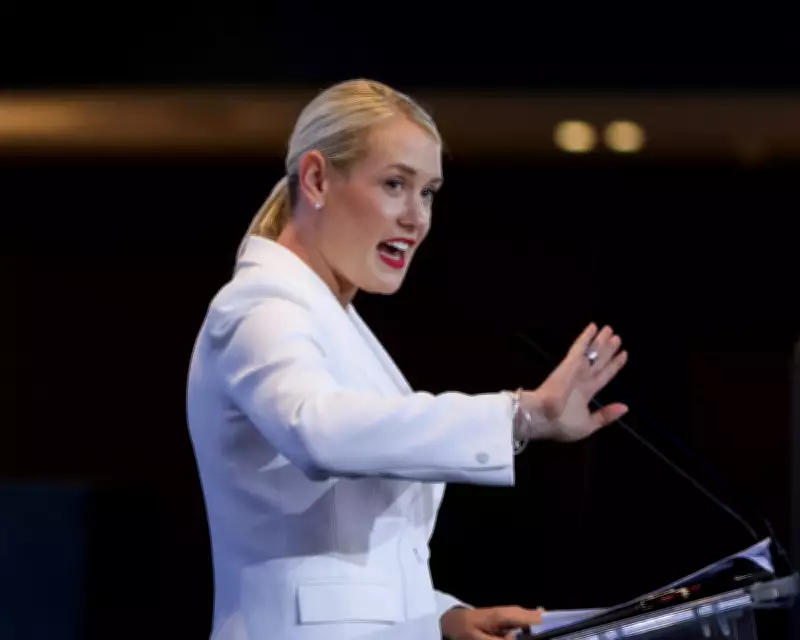
South Australian Liberal leader Ashton Hurn has publicly defended her party's controversial decision to rank One Nation above Labor on how-to-vote cards, stating unequivocally that her party is "in the business of getting rid of the ALP." This strategic move comes as the Liberals face unprecedented pressure from both a popular first-term Labor government and the rapidly growing support for Pauline Hanson's One Nation party across the state.
Perfect Storm for Struggling Liberals
The upcoming South Australian state election represents a perfect storm for the embattled Liberal party, which has managed to win only one election in the past quarter-century. With Labor premier Peter Malinauskas maintaining generally strong popularity since his 2022 victory, and One Nation steadily eroding the traditional Liberal base, the political landscape has shifted dramatically in recent months.
All six South Australian polls published this year have shown Labor maintaining a significant lead, with One Nation consistently outperforming the Liberals in primary vote projections. The most recent Advertiser/YouGov survey, released on Wednesday, placed Labor at 38% of the primary vote, with One Nation capturing 22% and the Liberals trailing at just 19%.

Unprecedented Polling Trends Create Uncertainty
The polling data reveals remarkable volatility, with Labor's primary vote ranging from 35% to 44% across different surveys, while One Nation's support has fluctuated from just one percentage point ahead of the Liberals to more than ten points in front. This unprecedented situation makes election outcomes particularly difficult to predict, as South Australia has no historical precedent for such polling trends.
Hurn explained her party's preference strategy by emphasizing their singular focus: "This is a vote of no confidence in the government. And that's who I'm focused on defeating at the election on Saturday." However, this approach carries significant risk for the Liberal leader's political future and her party's survival.
Regional Seats Face Dramatic Realignment
If One Nation achieves the 20% statewide support suggested by recent polls, the party could reach 30-40% in numerous regional electorates, potentially placing them in the final two-candidate contests. In seats where One Nation faces Liberal candidates, preferences from Labor and other left-leaning parties would become critically important, though these preferences are unlikely to flow strongly in either direction.
The Liberal party's traditional strongholds in regional areas, once considered their safest seats, now face threats from both independents and One Nation candidates. Rural constituencies such as Chaffey, which stretches to the Victorian border, could potentially fall to One Nation, while seats like Flinders and Finniss face serious independent challenges.
Adelaide Seats in Peril for Liberals
Within Greater Adelaide, which contains 34 of South Australia's 47 parliamentary seats, the Liberals currently hold just six marginal electorates. Several of these urban seats appear particularly vulnerable, including Unley, Morialta, Colton, and Morphett. The party's diminished presence in the metropolitan area reflects their broader electoral challenges.
Meanwhile, Labor appears unlikely to lose any seats directly to One Nation, though in outer suburban electorates such as Taylor and Elizabeth, contests could potentially pit Labor candidates against One Nation opponents in the final preference count.
Historical Context and National Implications
This election represents the first significant test of One Nation's growing national support, with federal polls consistently showing Pauline Hanson's party outperforming a weakened Coalition. The South Australian contest will be watched closely for potential federal implications, as state politics rarely commands such national attention.
Late last year, the election appeared headed toward a result similar to recent Western Australian contests, with Labor poised to win a substantial majority against a diminished opposition. However, One Nation's remarkable surge has complicated this projection, creating a three-way dynamic that could reshape South Australian politics for years to come.

As voters prepare to cast their ballots on Saturday, the ultimate question remains whether traditional Liberal supporters will return to their political home or continue their migration to One Nation. The presence of established local members may slow this transition in some areas, but if One Nation achieves the 20% threshold suggested by polls, the impact will be momentous, particularly in regional areas and outer suburbs where the party typically performs strongest.