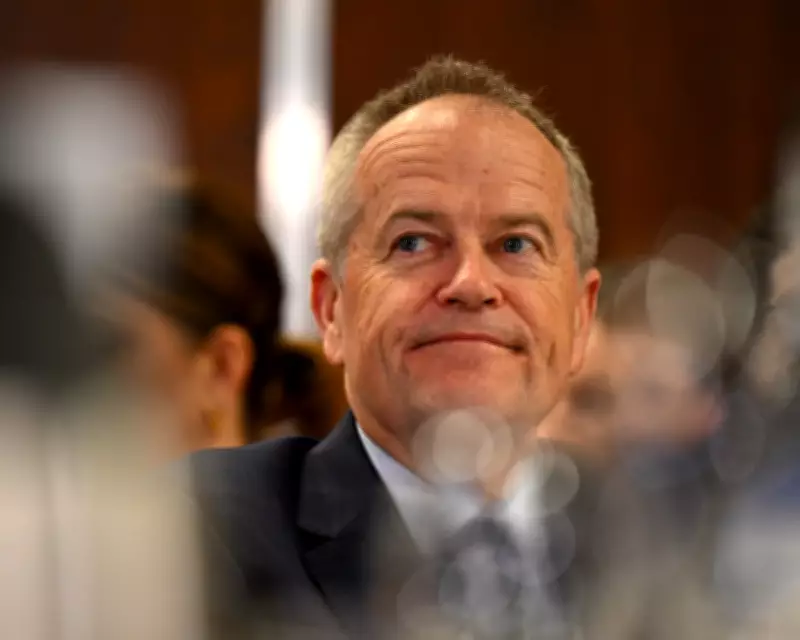
Former Australian Labor Party leader Bill Shorten has publicly questioned the forces at play in the nation's 2019 federal election, following a controversial claim by former Trump strategist Steve Bannon. Bannon asserted that he assisted billionaire businessman Clive Palmer in a campaign that significantly damaged Labor's electoral prospects, a revelation that has sparked renewed scrutiny of foreign interference and political manipulation in Australian democracy.
Bannon's Admission and Its Implications
Steve Bannon, a key figure in right-wing populist movements globally, recently stated that he played a role in supporting Clive Palmer's United Australia Party during the 2019 election cycle. According to Bannon, this involvement was strategically designed to undermine the Labor Party, which was then led by Bill Shorten, and bolster the chances of the incumbent Liberal-National coalition. This admission has raised alarms about the extent of external influence in Australian politics, particularly from international actors with vested interests.
Shorten's Response and Calls for Investigation
In response to Bannon's claims, Bill Shorten has called for a thorough examination of the forces behind such interventions. Shorten emphasised the need to protect Australia's electoral integrity from foreign manipulation and undisclosed political operations. He highlighted concerns that Bannon's involvement, if proven, could represent a breach of democratic norms and potentially violate laws regarding foreign interference in domestic affairs.

Shorten pointed out that the 2019 election was a closely contested battle, with Labor unexpectedly losing despite leading in opinion polls. The revelation of Bannon's alleged role adds a new layer of complexity to the analysis of that election's outcome, suggesting that covert strategies may have swayed public opinion and voter behaviour.
The Role of Clive Palmer and Political Funding
Clive Palmer, a mining magnate and political figure, launched an extensive advertising campaign through his United Australia Party in the lead-up to the 2019 election. This campaign, which reportedly cost tens of millions of dollars, focused on criticising Labor's policies, particularly on taxation and economic management. Bannon's claim implies that this effort was coordinated with external advisors to maximise its impact against Shorten's party.
The intersection of wealth, political ambition, and foreign consultancy in this scenario underscores ongoing debates about campaign finance and transparency in Australia. Shorten has argued that such activities, if not properly regulated, could erode public trust in the electoral process and allow undue influence from both domestic and international sources.
Broader Context of Global Political Interference
This incident occurs against a backdrop of increasing concerns about global political interference, where figures like Steve Bannon have been implicated in efforts to sway elections in various countries. In Australia, the issue has gained traction following previous allegations of foreign state interference, particularly from China, though Bannon's involvement represents a different type of non-state actor influence.
Shorten's questioning aligns with calls from other political analysts and security experts for stronger safeguards against such interventions. They advocate for enhanced scrutiny of political donations, stricter rules on foreign involvement in campaigns, and greater transparency in political advertising to prevent similar occurrences in future elections.
Looking Ahead: Implications for Australian Democracy
The fallout from Bannon's claim and Shorten's response may prompt legislative reviews and policy changes aimed at fortifying Australia's democratic institutions. Potential measures could include reforms to electoral laws, increased funding for oversight bodies, and public awareness campaigns about the risks of external manipulation.
As Australia approaches its next federal election, the lessons from 2019 serve as a cautionary tale about the vulnerabilities in the political system. Bill Shorten's stance highlights a growing consensus on the need for vigilance and reform to ensure that elections remain free, fair, and reflective of the will of the Australian people, without undue interference from hidden forces.