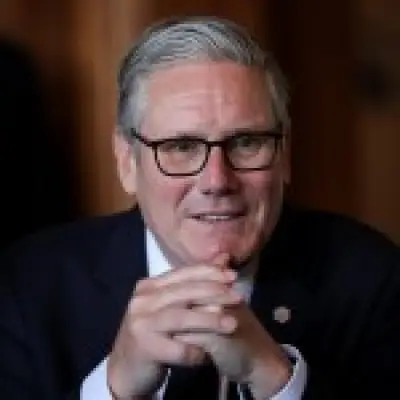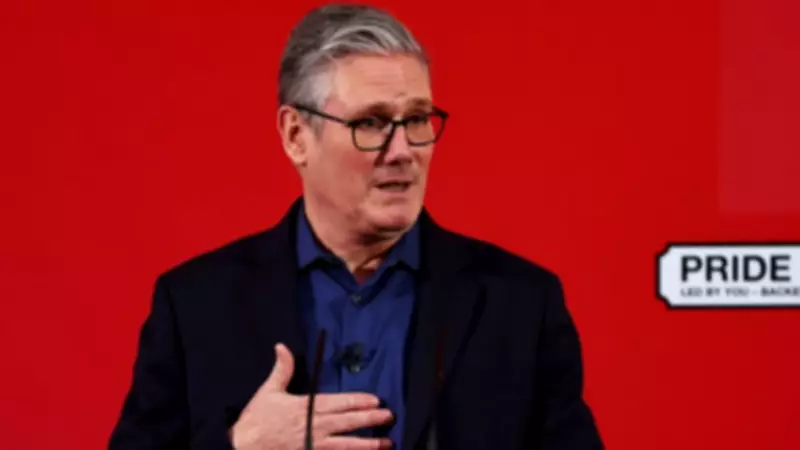
Prime Minister Sir Keir Starmer has issued a public apology for believing the lies of Peter Mandelson and appointing him as US ambassador, as opposition parties intensify calls for a no confidence vote in his leadership. The controversy centres on the links between Mandelson and the disgraced financier Jeffrey Epstein, which have resurfaced following the latest release of Epstein files.
Starmer's Apology and Severed Ties
In a speech delivered in Hastings, East Sussex, Sir Keir expressed deep remorse to the victims of Epstein, acknowledging their ongoing trauma and the failures of those in power. He stated, "I am sorry. Sorry for what was done to you. Sorry that so many people with power failed you. Sorry for having believed Mandelson's lies and appointed him." The prime minister emphasised his commitment to pursuing truth and accountability, vowing not to allow the powerful to evade justice.
Sir Keir has completely severed his relationship with Lord Mandelson, having sacked him as ambassador last year. He revealed that during Mandelson's vetting process, questions were raised about his association with Epstein, but the answers given were intentionally misleading, creating the false impression that Mandelson barely knew the financier.

Opposition Demands and Political Fallout
The Conservative and Liberal Democrat parties are now vying for Sir Keir's resignation, citing the scandal as evidence of poor judgement. Tory leader Kemi Badenoch criticised the government, claiming "Britain is not being governed," while Liberal Democrat leader Sir Ed Davey called for an immediate confidence vote to resolve the issue and allow the government to focus on national priorities.
Within the Labour Party, support for Sir Keir appears fragile. Veteran MP Graham Stringer suggested his future is limited, and an anonymous minister expressed that many in the party are beyond upset, casting doubt on his ability to survive the crisis.
Broader Implications for Public Trust
This scandal has reignited debates about integrity in public life and the vetting processes for high-profile appointments. Sir Keir's apology underscores the need for transparency and accountability, as he pledged to uphold these values in the interests of justice and public expectation.
The political landscape remains tense, with the prime minister fighting for his political life amid growing pressure from both opposition and internal party dissent. The outcome of any potential confidence vote could significantly impact the stability of the government and its ability to address pressing national issues.