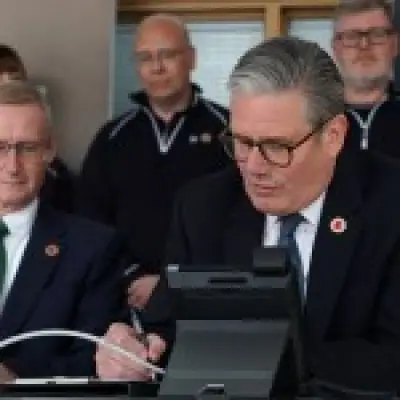
In a decisive move to safeguard British democracy, Prime Minister Sir Keir Starmer has announced a sweeping ban on cryptocurrency donations to political parties, coupled with strict limits on contributions from overseas donors. These measures, set to take effect immediately, are poised to significantly impact Reform UK, which has heavily relied on such funding sources.
Urgent Review Leads to Swift Action
Sir Keir Starmer authorized an urgent review into foreign interference in British politics in December, culminating in today's report by former top official Philip Rycroft. The report highlights a "persistent problem of foreign interference" that can be "malign" and "sow discontent," though it concedes there is "no immediate crisis" and no evidence that the 2024 election was distorted by foreign financing.
Key Measures Announced
The government will implement a moratorium on all political donations made through cryptocurrencies, effective from Wednesday, 25 March 2026. Simultaneously, overseas electors will be capped at donating £100,000 per year, adopting the most aggressive recommendations from the Rycroft report. Both changes will be enacted through amendments to the Representation of the People Bill currently progressing through Parliament.

Communities Secretary Steve Reed confirmed the details, emphasizing that these steps are designed to "protect our democracy" from undue financial influence. The ban targets donations like those from Christopher Harborne, a Thailand-based cryptocurrency enthusiast who contributed over £12 million to Reform UK in the past year.
Impact on Reform UK
Reform UK, led by Nigel Farage, faces a substantial blow as it has actively accepted cryptocurrency donations and benefited from large foreign contributions. Farage has previously criticized the review as a targeted effort to undermine his party. The Liberal Democrats have called for Reform UK to return all cryptocurrency donations from "anonymous overseas sources," adding pressure in the wake of the new regulations.
Broader Political Reactions
Jess Garland, director of the Electoral Reform Society, welcomed the proposals but urged the government to go further by implementing a cap on all donations, not just those from abroad. "This is widely supported by the public and would help prevent our politics from being swamped with massive donations," she stated, noting that trust in politics is at a record low.
The Rycroft report also recommends banning political advertisements funded overseas and lowering the burden of proof for electoral offences, citing a "new threat" from allies like the United States, who may seek to "interfere and pursue their own goals." Despite speaking to a range of figures hostile to Reform UK, the report did not include individual interviews with the party's MPs, though it did consult with Reform UK officials.
As these changes could be enacted within months, the political landscape in the UK is set for a significant shift, aiming to enhance transparency and reduce external financial influence in electoral processes.