UK Prime Minister Firmly Rejects US Pressure to Escalate Middle East Military Involvement
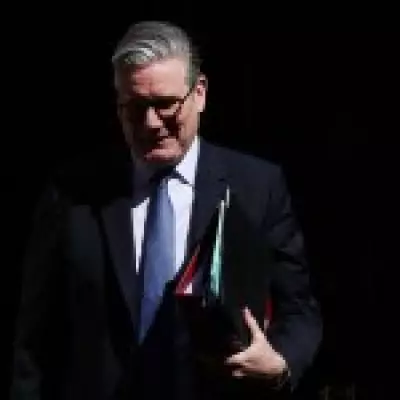
Prime Minister Keir Starmer has delivered his strongest statement yet regarding the UK's position on the escalating Middle East conflict, declaring that Britain "will not be drawn into the wider war" despite mounting pressure from the United States. The announcement comes as European leaders, including Germany and Italy, have categorically ruled out sending warships to the strategically vital Strait of Hormuz, creating a significant transatlantic divide.
Transatlantic Tensions Escalate Over Military Strategy
In what represents the clearest signal of divergence from Donald Trump's aggressive stance toward Iran, Starmer emphasized that the UK would maintain its independent position despite acknowledging the difficulty of the decision. "While taking the necessary action to defend ourselves and our allies, we will not be drawn into the wider war," the Prime Minister stated during a Downing Street press conference, directly addressing growing concerns about potential British military involvement in keeping shipping lanes open at America's request.
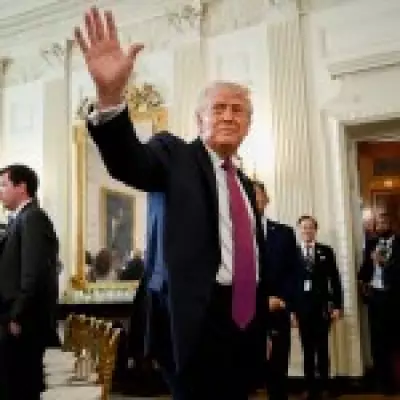
The transatlantic rift has deepened following Trump's public criticism of NATO allies who have refused to contribute naval assets to the region. The US President specifically singled out Starmer's reluctance to deploy minesweepers, expressing disappointment with Britain's position despite the countries' historic alliance. "I was very surprised with the United Kingdom," Trump told reporters, highlighting his perception of unequal burden-sharing within the alliance.

European Allies Unite in Diplomatic Approach
Germany and Italy have joined the UK in rejecting military escalation, with German Defense Minister Boris Pistorius stating unequivocally, "This is not our war, we have not started it." Italy's Foreign Minister Antonio Tajani emphasized that diplomacy must prevail, confirming that Italy has no plans to extend naval missions to the region. This unified European position marks a significant departure from their initial reluctance to criticize Trump's decision to attack Iran alongside Israel sixteen days earlier.
The European stance has left Washington increasingly isolated, with Australia, France, and Japan also declining to send ships despite Trump's warning that NATO faces "a very bad future" if members fail to assist in reopening the vital waterway. The Strait of Hormuz normally carries approximately one-fifth of global oil supplies, and Iran's threat to target ships using the passage has already sent oil prices soaring from around $65 to over $100 per barrel.
Economic Consequences and Domestic Pressures
The conflict's economic impact has become increasingly apparent, with economists predicting higher inflation and reduced growth as oil prices continue to climb. Starmer acknowledged these domestic concerns, announcing £53 million in government support for lower-income households reliant on heating oil while emphasizing that de-escalating the conflict remains the priority.
"I want to see an end to this war as quickly as possible," Starmer stated, "because the longer it goes on, the more dangerous the situation becomes, and the worse it is for the cost of living back here at home." The Prime Minister's position reflects broader government concerns about the absence of a clear US strategy for ending the conflict, with UK officials reportedly alarmed by Trump's lack of planning for a negotiated settlement.
Strategic Calculations and Future Implications
Behind the scenes, ministers are reportedly developing plans to send aerial minesweeping drones to help clear the Strait of Hormuz, reflecting Whitehall concerns that sending traditional naval vessels could further escalate tensions. This cautious approach follows the recent departure of Britain's last minesweeping ship in the region, HMS Middleton, which left Bahrain for maintenance just before the conflict began—a move now at the center of government debates about preparedness.

Starmer emphasized that his decisions are based on "principles, which I believe are shared by the British people, that our decision should be based on a calm, level-headed assessment of the British national interest." The Prime Minister confirmed that the UK continues to work with allies—including European partners, the United States, and Gulf states—on developing a viable plan to reopen shipping lanes, though he provided no timeline for such efforts.
As the conflict enters its third week, the diplomatic standoff represents one of the most significant tests of the UK-US relationship in recent years, complicated further by Starmer's earlier refusal to allow Trump to use British bases for the initial attack on Tehran. With oil prices continuing to surge and European allies maintaining their diplomatic approach, the international community watches closely as Britain navigates between alliance obligations and independent strategic interests in one of the world's most volatile regions.