Starmer Accuses Mandelson of Deception Over Epstein Links
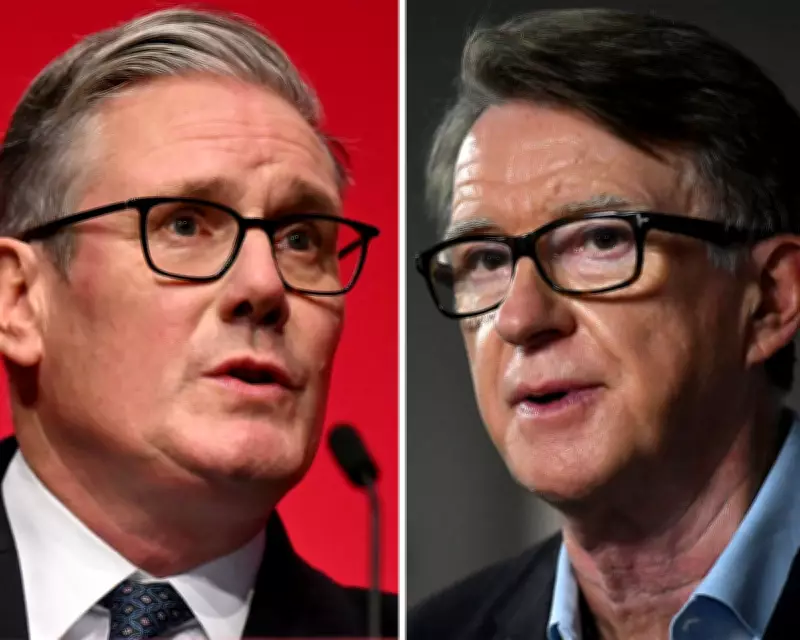
Labour leader Keir Starmer has made explosive allegations against former minister Peter Mandelson, claiming he "lied repeatedly" about his connections to disgraced financier Jeffrey Epstein and "betrayed our country." The dramatic accusations come as parliamentary scrutiny intensifies over Mandelson's controversial appointment as US ambassador.
Documents Await Security Vetting
MPs are preparing to examine official records connected to Mandelson's diplomatic appointment, though the timing remains uncertain. The documents must first undergo thorough vetting by parliament's intelligence and security committee before release. When they do emerge, Labour backbenchers in particular will be seeking answers to several crucial questions about the appointment process.
Five Key Questions for Investigation
What Did Downing Street Know About Epstein Links?

This represents the central issue in the growing controversy. Starmer has already conceded in the House of Commons that he was aware Mandelson maintained connections with Epstein even after the financier served jail time for soliciting a minor. While this information was publicly reported before the ambassadorial appointment, MPs will scrutinise what was formally acknowledged by Number 10 and how these connections were explained internally.
How Was the Appointment Justified?
The follow-up question proves equally significant. Given the established facts about Mandelson's Epstein associations, how did Starmer and his team justify awarding him one of the most prestigious positions in public life? Although documents may not explicitly detail this reasoning, the apparent calculation appears to have been that Mandelson's political experience outweighed the risks. The appointment seems designed to place a seasoned political operator within Donald Trump's circle, with an unspoken acknowledgement that Mandelson's Epstein connections might not stand out among Trump's own associates.
Who Ultimately Made the Decision?
While constitutional responsibility rests with the prime minister, several Labour MPs are calling for the resignation of Morgan McSweeney, Starmer's chief of staff. McSweeney maintains close ties with Mandelson and reportedly championed his appointment. Documentary evidence showing McSweeney essentially driving the decision could severely damage his position in Downing Street. Similarly, any files indicating Starmer actively pushed for the appointment would raise serious questions about his political judgment.
Did Anyone Challenge the Appointment?
This aspect of the process will reveal much about the internal dynamics within Starmer's team. Some backbenchers perceive his inner circle as an overly partisan group lacking individuals willing to ask difficult questions. Many wonder why nobody apparently questioned whether appointing a close friend of a convicted child sex offender represented appropriate judgment. This concern connects to broader anxieties about Starmer's decision-making and his tendency to become embroiled in avoidable controversies.
To What Extent Did Mandelson Deceive Starmer?
This question relates directly to Starmer's Wednesday assertion that Mandelson had "lied repeatedly" about his Epstein connections. However, obtaining clear documentary evidence here appears unlikely. While Mandelson underwent standard vetting procedures, these processes involve personal details protected by data protection regulations. Labour MPs may ultimately need to accept Starmer's version of events without seeing corroborating paperwork.
Political Fallout Continues
The controversy continues to generate significant political turbulence for Starmer's leadership. As documents undergo security review, the episode raises fundamental questions about appointment processes, political judgment, and accountability within the Labour Party. The coming weeks will determine whether released files provide clarity or further complicate an already damaging political narrative.