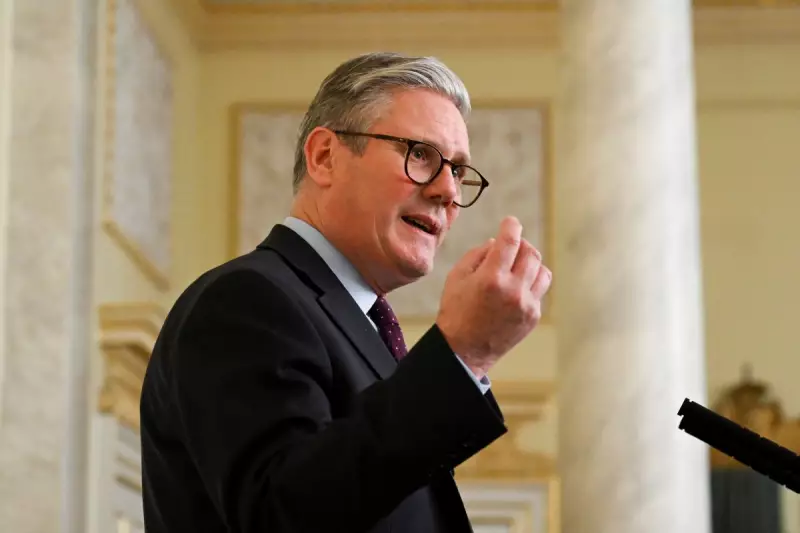
Sir Keir Starmer has sent shockwaves through Westminster after conspicuously refusing to rule out potential income tax increases in the upcoming Spring Budget. The Labour leader's evasive stance has raised alarm bells about possible tax raids on hard-working Britons.
The Budget Question That Went Unanswered
During a tense exchange with journalists, Starmer was directly pressed on whether he would support any income tax hikes that Chancellor Jeremy Hunt might introduce on March 6th. Rather than providing reassurance to taxpayers, the Labour leader offered carefully worded non-answers that have left financial experts and voters alike deeply concerned.
"We'll have to see what's in the budget," Starmer stated, adding "I'm not going to write the budget for the chancellor." His deliberate avoidance of the question suggests Labour may be preparing to back Conservative tax increases or even propose their own.

Political Calculations and Economic Realities
This strategic ambiguity comes at a critical juncture for both major parties. With the Tories trailing significantly in polls and Labour positioning itself as the government-in-waiting, Starmer's team appears to be walking a political tightrope.
The silence on tax policy speaks volumes about the difficult choices facing whichever party wins the next general election. Economic pressures including sluggish growth, high debt servicing costs, and persistent inflation have created a fiscal straitjacket that severely limits options for either party.
What This Means for British Taxpayers
The implications are stark for millions of households already grappling with the cost of living crisis:
- Potential increases to basic and higher rate income tax thresholds
- Possible reduction or removal of tax allowances
- No clear protection for middle-income earners
- Continued pressure on household budgets
With both major parties now appearing open to tax increases, British workers face the prospect of seeing more of their hard-earned money diverted to the Treasury, regardless of which party forms the next government.
The stage is set for a budget that could redefine the tax landscape for years to come, with taxpayers potentially caught in the crossfire of political manoeuvring and economic necessity.