UK Prime Minister Rejects Wider War Involvement Amid Middle East Tensions
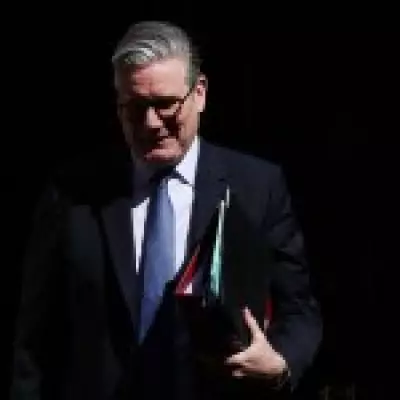
Prime Minister Keir Starmer has firmly declared that the United Kingdom will not be drawn into a broader war in the Middle East, even as he announced significant government support for households struggling with heating oil costs. Speaking at a Downing Street press conference, Starmer emphasized that while the UK would take necessary action to defend itself and allies, escalation into a wider conflict was not on the table.
£53 Million Heating Oil Support Package Announced
The prime minister revealed a £53 million government support package specifically targeted at lower-income households that rely on heating oil to warm their homes. This announcement comes as costs have surged following the outbreak of conflict involving Iran, creating financial strain for many families across the country.
Starmer issued a stern warning to heating oil suppliers engaged in price gouging, stating they would face legal action and future market regulation. The government is taking a proactive stance against exploitative pricing practices that have emerged during the current crisis.

Energy Price Concerns and Future Support
With the current energy price cap set to end this summer, Starmer acknowledged growing concerns about potential bill increases. While not ruling out broader government support for energy bills if costs rise significantly, the prime minister emphasized the difficulty of predicting future oil prices.
"I'm not going to stand here and pretend to you that we all know what the situation will be in three or six months' time. We don't," Starmer told reporters. "The best way though to do this is to de-escalate and reduce the conflict, because that is the most effective way to deal with the cost of living."
International Coordination on Shipping Lanes
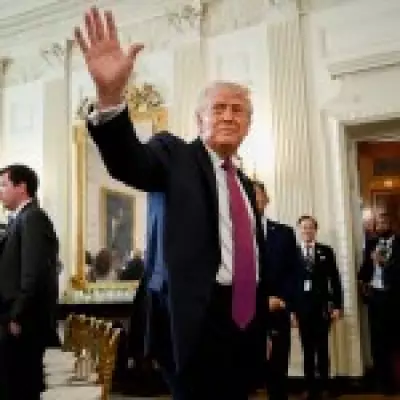
The prime minister confirmed that the UK is working with international allies on developing a viable plan to reopen crucial shipping lanes in the region. While former US President Donald Trump has called for allies to send military ships to the Strait of Hormuz, the response has been muted thus far.
"It's a discussion; we're not at the point of decisions yet," Starmer explained. "It's obviously a difficult question, that goes without saying, in relation to how you safeguard maritime traffic. But we are discussing that with the US, with Gulf partners and with Europeans."
The UK is considering sending ships and mine-hunting drones to the Middle East as part of these discussions, though no final decisions have been made.
Focus on De-escalation and Renewable Energy
Starmer stressed that his primary goal was to see an end to the conflict as quickly as possible, noting that prolonged hostilities would worsen the cost of living situation in the UK. He expressed concern about the apparent lack of a clear plan from the US for ending the conflict but emphasized that a negotiated settlement must remain the ultimate objective.
The prime minister also underlined his commitment to accelerating investment in renewable energy, arguing that greater energy independence would provide more stability for British households.
"We should go further and faster in relation to renewables," Starmer stated. "Let's get control of our own energy, so that whatever is happening in the world, we control what's happening in this country. I want to get to that place as quickly as possible."
As pressure mounts on the government to address energy bill concerns ahead of the price cap expiration, Starmer's announcements represent a dual approach of immediate support for vulnerable households while maintaining a cautious stance on international military involvement.