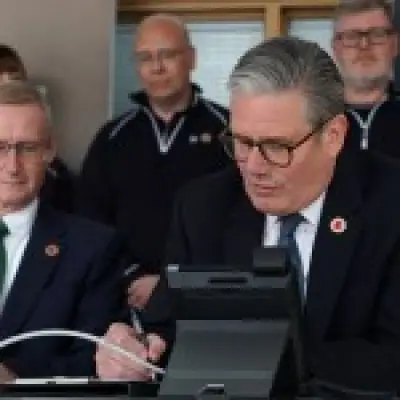
Starmer Unlikely to Grant Time for Assisted Dying Bill Amid Labour Divisions
Senior ministers within the government believe Prime Minister Keir Starmer will not intervene to allocate additional parliamentary time for the assisted dying bill during the next session of parliament. This assessment stems from Starmer's reported wariness about reopening deep divisions among Labour MPs over this contentious issue.
Parliamentary Blockade in the House of Lords
The assisted dying legislation, which successfully passed through the House of Commons, now faces almost certain blockage in the House of Lords without ever reaching a formal vote. This obstruction results from opponents tabling and debating an extraordinary number of amendments—more than 1,200—which opponents argue are necessary due to perceived flaws in the bill that could potentially endanger vulnerable individuals.
The bill for England and Wales, designed to grant terminally ill individuals the right to end their lives with medical assistance, is expected to exhaust its allocated parliamentary time on April 24th. This date represents the final scheduled day of debate before the current parliamentary session concludes.

Growing Frustration with Lords' Conduct
Multiple MPs have expressed being "radicalised" in favor of comprehensive House of Lords reform following what they perceive as the effective killing of the bill by a small group of peers who oppose it. Many of these opposing peers are former Conservative MPs, including prominent figures such as Thérèse Coffey and Mark Harper.
"The fury towards the Lords is off the charts," one minister commented. "Absolutely outrageous and deeply damaging, whatever your view on assisted dying." Another MP stated: "This has absolutely radicalised me. We need major constitutional reform."
Starmer's Personal Position Versus Political Reality
Despite Starmer's personal support for assisted dying legislation and his reported anger at the House of Lords' conduct in blocking the bill, senior ministers believe he lacks the political capital and appetite to prioritize the issue in the next parliamentary session.
"We are in a very different place to when this bill was introduced," explained one senior minister who supports the legislation. "I cannot see any appetite to relitigate it." Another minister added: "Keir will not give it time—it is not his personality, it is not his instinct and he does not have the political capital."
Alternative Pathways and Internal Divisions
The bill's sponsors, Labour MP Kim Leadbeater and Labour peer Charles Falconer, have expressed hope of using the Parliament Act to bypass the House of Lords in the next parliamentary session. However, this would require either Starmer allocating government time to the bill or supporters winning another slot in the private member's bill ballot.
Internal Labour dynamics complicate the situation significantly. When the bill was last raised during private meetings of the parliamentary Labour party, audible groans were reportedly heard in the room. More than 100 Labour MPs have written to Starmer urging him to intervene and save the legislation, arguing it represents a politically popular issue that aligns with his personal moral stance.
Looking Ahead to Future Possibilities
Many MPs remain committed to reintroducing the bill in the next parliamentary session through the private member's bill process. Falconer has calculated there is approximately a 95% likelihood of the bill's supporters securing a top-five position in the ballot, given the number of supporters in the Commons.
Meanwhile, some bill supporters are shifting their focus toward broader House of Lords reform. Labour's Simon Opher and Conservative Kit Malthouse have established a new all-party parliamentary group specifically dedicated to reforming the upper chamber.
The Scottish parliament recently voted down similar assisted dying legislation by 69 votes to 57, highlighting the divisive nature of this issue across the United Kingdom. As the current parliamentary session approaches its conclusion, the future of assisted dying legislation in England and Wales remains uncertain, caught between personal convictions, political calculations, and parliamentary procedures.