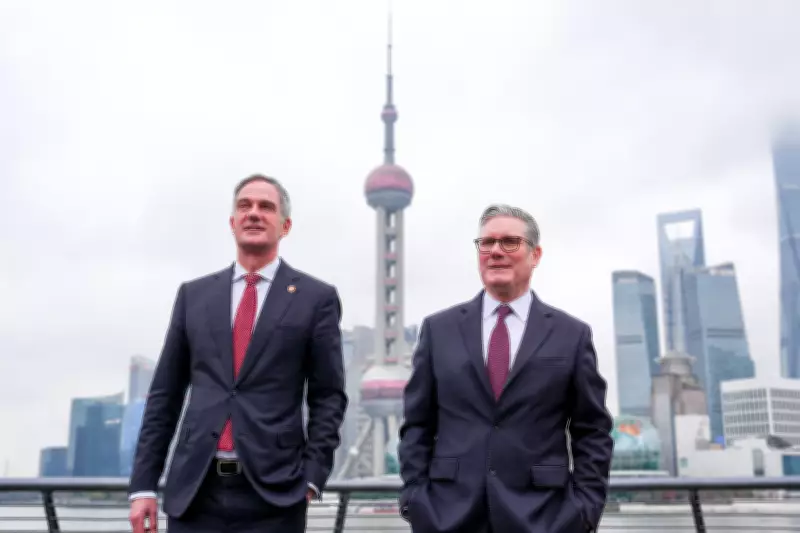
Prime Minister Keir Starmer has arrived in Tokyo for crucial talks with Japanese investors and business leaders, aiming to strengthen economic ties between the UK and Japan. This final leg of his Asian tour comes amid significant political backlash over his preceding four-day visit to China, where he secured several trade concessions but faced criticism from opposition parties and activists.
Economic Priorities in Tokyo
Speaking during his flight from Shanghai to Tokyo, Starmer emphasised Japan's importance as the UK's third-largest investor outside Europe and the United States. "There are approximately 1,000 Japanese businesses operating in Britain, supporting around 150,000 jobs," the Prime Minister told reporters. "This creates substantial ground for productive discussions about future collaboration."
Starmer's delegation includes dozens of British business representatives and cultural ambassadors, all focused on securing new commercial agreements and enhanced security guarantees with Japan. The Prime Minister also noted that the Japanese government has expressed support for UK-led efforts to establish a potential peacekeeping force in Ukraine, should a ceasefire with Russia be achieved.

Controversial China Visit
The Tokyo meetings conclude a politically charged Asian tour that began with Starmer's controversial visit to China. During his meetings with Chinese President Xi Jinping, several significant agreements were announced:
- Chinese sanctions against UK parliamentarians will be lifted
- Tariffs on Scotch whisky exports to China will be reduced
- Visa-free travel for British citizens visiting China will be introduced
Substantial business deals followed the diplomatic visit, including AstraZeneca's £11 billion investment package for Chinese research facilities and Octopus Energy's partnership with state-backed utility company PCG Power to supply energy to Chinese consumers.
Political Backlash and Security Concerns
Despite these economic gains, Starmer has faced intense criticism from political opponents and security experts. The visit occurred against a backdrop of heightened concerns about Chinese cyber attacks, hacking incidents, and the controversial approval of a new Chinese embassy near London's financial district.
Tory leader Kemi Badenoch accused Starmer of visiting China "from a position of weakness," while Liberal Democrat MP Daisy Cooper criticised the Prime Minister for travelling "cap in hand" to Beijing. Former Japanese ambassador to Australia Shingo Yamagami described Starmer's behaviour during the China visit as "weak and meek," particularly referencing his salutes to Chinese soldiers.
Starmer defended his approach, stating it would be "foolhardy" not to engage with China despite former President Donald Trump's warnings about building closer relations. The Prime Minister extended an invitation for President Xi to visit the UK next year when Britain hosts the G20 summit.
Looking Forward
As Starmer meets with Japanese Prime Minister Sanae Takaichi, who faces an imminent election in Japan, the UK leader hopes to demonstrate that constructive engagement with Asian economies can deliver tangible benefits for British businesses and workers. The Tokyo discussions represent an opportunity to balance the controversy surrounding the China visit with concrete economic achievements in another key Asian market.
The Prime Minister's Asian tour highlights the complex balancing act facing UK foreign policy: pursuing economic opportunities while managing security concerns and domestic political pressures. The outcomes of these Japanese discussions will be closely watched by both supporters and critics of the government's approach to international relations and economic diplomacy.