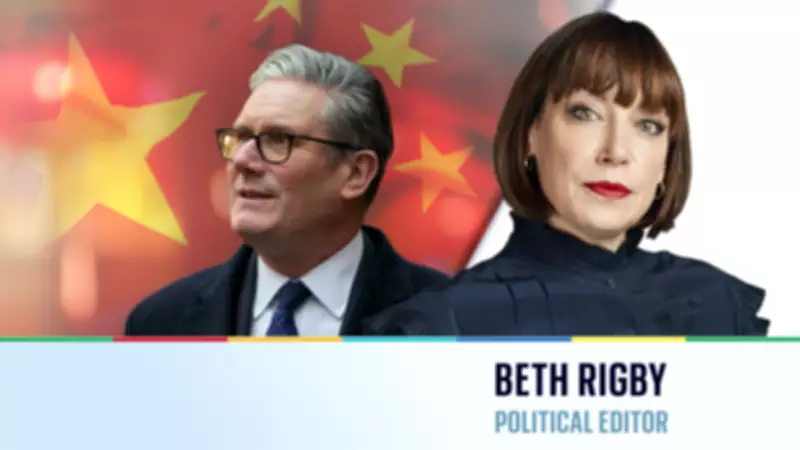
Prime Minister Keir Starmer has described his recent three-day diplomatic mission to China as a successful reset of Britain's relationship with the world's second-largest economy. Emphasising a pragmatic and common-sense approach, Starmer's visit focused on bolstering economic ties, even as it sparked debate over the balance between national interest and ethical considerations.
A Pragmatic Stance on Global Affairs
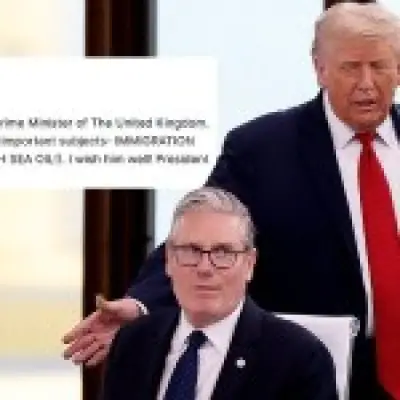
Starmer, who identifies as a British pragmatist, avoided grandstanding on contentious issues during the trip. When questioned about Donald Trump's warnings that closer UK-China ties are "very dangerous," the Prime Minister deftly sidestepped the criticism. Similarly, he addressed the imprisonment of pro-democracy campaigner Jimmy Lai in Hong Kong by confirming the matter was raised with Chinese President Xi Jinping, but declined to elaborate on specifics, prioritising diplomatic engagement over public confrontation.
Economic Gains and Diplomatic Wins
The visit yielded tangible outcomes, including the lifting of sanctions on six British parliamentarians previously barred from China, a reduction in whiskey import tariffs from 10% to 5%, and a preliminary agreement for visa-free travel for up to 30 days. Starmer's delegation hailed these as steps toward a deeper reset, with hopes that President Xi will visit the UK in 2027 for the G20 summit—marking the first Chinese leader's visit in over a decade.

However, the Prime Minister's focus on economic pragmatism has drawn mixed reactions. Supporters argue that fostering trade and investment with China is crucial for a UK economy in need of growth, pointing to potential deals like a bilateral services pact. Critics, including Conservative leader Kemi Badenoch and MPs like Nusrat Ghani, express concerns over national security, human rights abuses, and overreliance on Chinese influence.
Global Power Dynamics and Middle Powers
Amidst shifting global alliances, Canadian Prime Minister Mark Carney has advocated for middle powers to collaborate in countering the dominance of superpowers like the US and China. Starmer, however, distanced himself from this critique, asserting that the UK's national interest lies in maintaining strong relationships with both the US and China, while also rebuilding ties with Europe.
As Trump voices disapproval of allies engaging with China, Starmer's strategy appears to prioritise economic security, even if it means navigating complex geopolitical tensions. The Prime Minister's approach underscores a belief that engagement, rather than isolation, is key to advancing British interests on the world stage.
Challenges and Future Prospects
Despite the progress, significant challenges remain. Deep-seated differences between Britain's democratic values and China's autocratic system persist, exacerbated by issues like the Hong Kong crackdown and China's support for Russia. Starmer's critics question the scale of trade deals secured compared to other nations and warn of long-term risks to UK sovereignty.
Looking ahead, Starmer faces the daunting task of balancing economic gains with ethical imperatives. As China prepares to welcome the Year of the Horse in 2026—a symbol of action and breakthrough—the Prime Minister will need to demonstrate swift and effective diplomacy to deliver tangible benefits for the UK, all while managing domestic and international scrutiny.