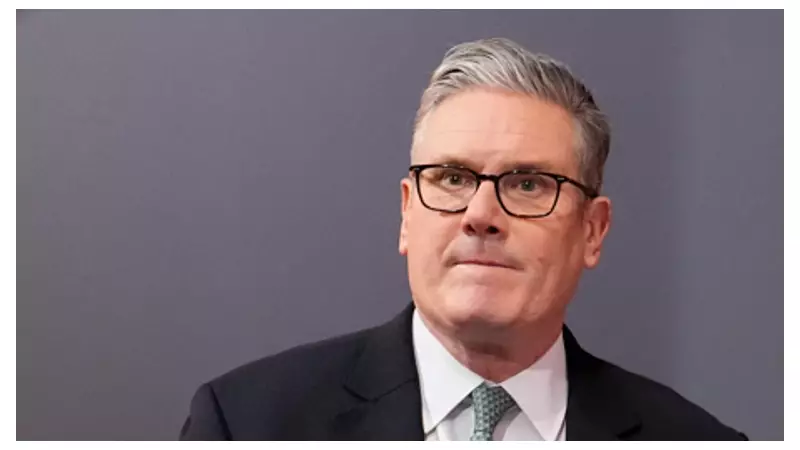
Starmer's Leadership Faces Critical Test as Domestic Pressures Mount
While Prime Minister Sir Keir Starmer grapples with international crises, a brewing storm at home threatens to define his political future. Deputy Labour leader Lucy Powell has issued a stark message to the party, urging unity and a relentless focus on voter concerns ahead of pivotal May elections. With Labour polling at a perilous 17%, trailing behind Reform and the Conservatives, the stage is set for a potentially devastating electoral showdown.
Global Distractions and Domestic Discontent
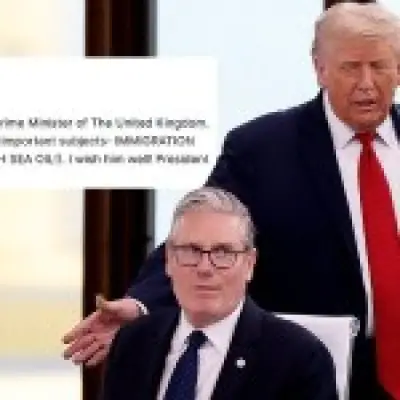
Starmer's agenda, intended to address household budgets and cut the cost of living, has been derailed by global events, notably involving former US President Donald Trump. However, as Powell emphasises, geopolitical instability directly impacts ordinary citizens through tariffs and rising costs. In a recent community centre meeting in Manchester, Powell highlighted that voters are struggling with rent, housing, and bills, demanding tangible government action.
She stated, "People really want to know we are on their side and working every single day as a government to rewire the country and reshape the economy so that life works better for them." This call comes as Labour prepares to contest 4,000 council seats, Holyrood, and the Senedd, with polls suggesting the party could fall to third place in Scotland and Wales.

Internal Unity and Leadership Challenges
Powell, once seen as a potential critic of Starmer after her sacking from the cabinet, has emerged as a loyal deputy, advocating against internal undermining. She warned colleagues, "If we don't tell our story ourselves, no one is going to do it." This plea for cohesion arrives amid persistent speculation about a leadership bid by Health Secretary Wes Streeting, fueled by briefings and counter-briefings within Labour ranks.
Starmer's allies have been forced to assert his determination to stay on, a remarkable move just 18 months after a landslide victory. A cabinet minister noted, "Changing the leader is a bit Tory for me... It's probably better to try to work on making Keir Starmer better." The international crisis over Greenland has temporarily bolstered Starmer's statesmanlike image, providing a respite from domestic turmoil.
Policy Shifts and Electoral Strategy
In response to polling woes, the government is swiftly abandoning unpopular policies to sharpen its focus on the cost of living. U-turns on issues like digital IDs and farms tax have drawn criticism but are viewed by senior figures as necessary to "scrape the barnacles off the boat." Powell admitted, "It would be much better to do a lot of that thinking and get things right beforehand," yet stressed the urgency of delivering results.
With voters yet to feel improvements since the 2008 crash, Labour plans intensified efforts on NHS enhancements and cost reductions. Powell advocates for a simpler agenda, stating, "Less is more... politics is painted in primary colours, our colour is red." Potential delays to reforms like jury trials aim to minimise internal discord and boost campaigning.
The May Reckoning
As Starmer navigates challenges both at home and abroad, the May elections loom as a decisive moment. Powell asserts he will lead beyond them, but the outcome could reshape Labour's trajectory. With the party's fate hanging in the balance, Starmer's ability to unite his team and address voter anxieties will be put to the ultimate test, determining whether he can steer Labour away from a polling crisis and secure his leadership.