Starmer's Press Conference Highlights Cautious Approach to Iran Conflict
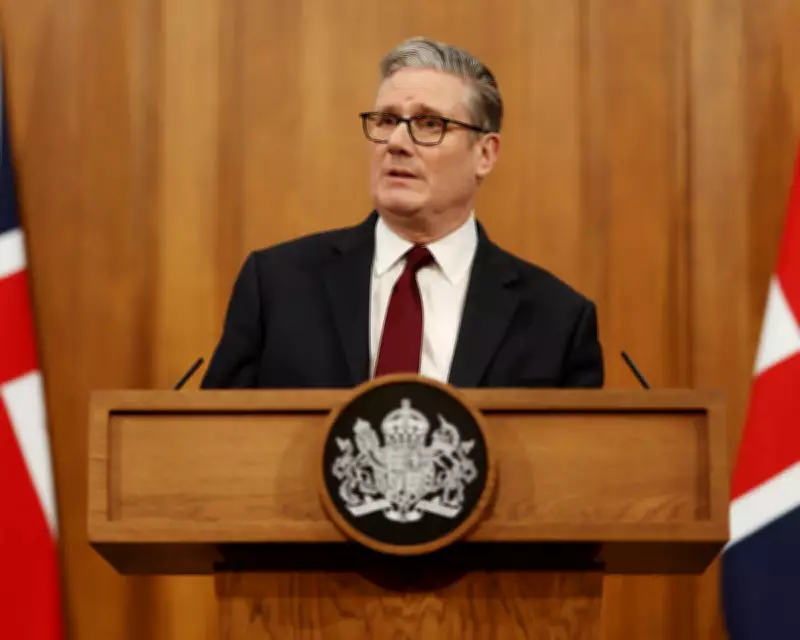
Prime Minister Keir Starmer seized an opportunity to project statesmanship during a Downing Street press conference, addressing the escalating US-Iran war. Opting for this format over a parliamentary statement, he avoided direct engagement with political opponents like Kemi Badenoch and backbench critics of President Trump. This move allowed him to emphasize his consistent judgment on the conflict, which has been one of his few clear successes in recent weeks.
Strategic Avoidance and Domestic Pressures
Starmer's instinct to steer clear of the Iran war has proven prudent, as Trump's actions appear driven by entertainment rather than strategy. Initially dismissive of British involvement, Trump now seeks European aid to secure the Strait of Hormuz. Meanwhile, Starmer faces mounting domestic issues, including the Mandelson fallout and leadership threats, leaving him visibly fatigued. The prime minister's hollowed eyes and weary demeanor suggest he is operating on limited energy, yet he remains determined to uphold his duties.
Vague Responses and Coded Language
During the conference, Starmer outlined aims to protect British nationals and mitigate energy price impacts, but offered little concrete detail on UK responses to Trump's demands. He hinted at potential use of underwater drones but avoided commitments, reflecting a strategy to delay decisions. His comments on the special relationship were evasive, emphasizing difficulties and ongoing consultations with partners, implying a hope that Trump might lose interest in the conflict.

Incoherence on Domestic Scandals
Questions about the Mandelson affair revealed Starmer's struggles, as he gave muddled answers about due process and future improvements. This lack of clarity has drawn criticism, with no clear defense for his handling of the situation. In contrast, his war stance has positioned him favorably against rivals like the Tories and Reform, who now attempt to align with his cautious approach despite past contradictory statements.
Political Rivals in Disarray
Kemi Badenoch and Reform's Richard Tice have scrambled to revise their positions, with Badenoch denying earlier calls for offensive operations and Tice promoting tax avoidance schemes. Their shifts highlight Starmer's relative consistency on the war, though his overall leadership remains under scrutiny. As tensions persist, Starmer's ability to maintain this balance will be crucial, even as personal and political strains mount.