Starmer's Controversial Mandelson Appointment Ignites Political Firestorm
Prime Minister Keir Starmer's decision to appoint Peter Mandelson has plunged the government into a deep crisis, with senior ministers scrambling to contain the fallout. The controversy centers on Mandelson's past associations and the perceived mishandling of the vetting process, sparking widespread media scrutiny and internal panic.
Cabinet Minister Forced into Unenviable Media Spotlight
On Wednesday night, fear permeated the ranks of senior ministers as they anticipated the daunting task of defending Starmer's choice. Nick Thomas-Symonds, the Cabinet Office minister, found himself thrust into the spotlight after a late-night summons from Downing Street. Despite attempts to avoid the assignment by retreating to his south Wales constituency, he was compelled to participate in a phone interview with Emma Barnett on the Today programme.
Thomas-Symonds, appearing downbeat and unprepared, relied on sparse notes that merely instructed him to reiterate Starmer's apology. Under Barnett's relentless questioning, he unraveled, offering vague explanations about the unusual nature of the appointment. He admitted that the prime minister had acknowledged the mistake and apologized to victims, but struggled to provide substantive answers, highlighting his lack of involvement in the decision-making process.

Vetting Process and Reputational Risks Under Microscope
The interview revealed critical flaws in the vetting procedure, with national security adviser Jonathan Powell describing it as "weirdly rushed" and "unusual." Thomas-Symonds attempted to justify Starmer's actions by emphasizing the prime minister's commitment to addressing violence against women and girls, but this defense fell flat. Barnett pressed further, exposing the absurdity of appointing Mandelson despite known associations with a child sex offender and a history of being dismissed by previous Labour leaders for trust issues.
In a desperate move, Thomas-Symonds shifted focus to Starmer's foreign policy successes, such as handling Iran, arguing that one misstep should not overshadow broader achievements. However, this failed to alleviate the mounting pressure, as questions about a £75,000 severance payoff to Mandelson added fuel to the fire. Thomas-Symonds expressed moral outrage, but the justification—that it was a minimal payout to avoid legal disputes—only deepened public skepticism.
Starmer's Attempt to Divert Attention Falls Flat
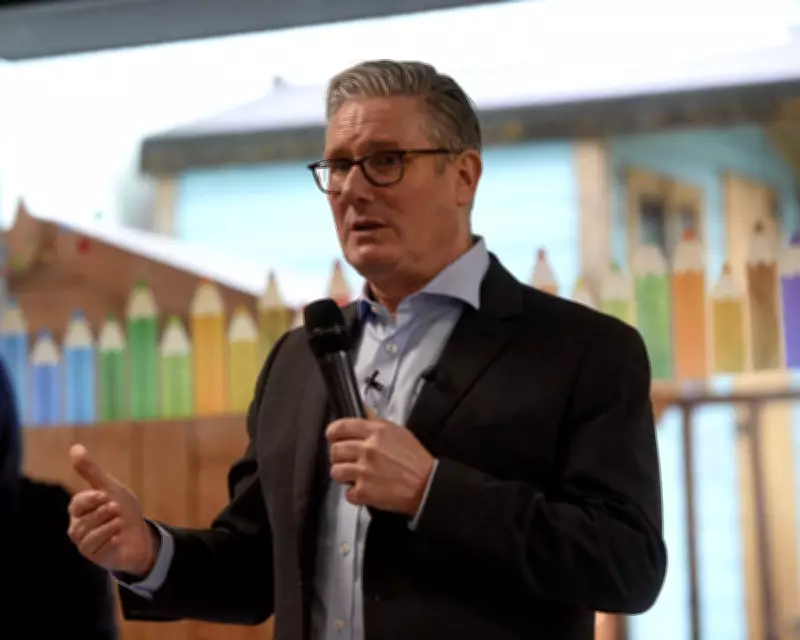
Meanwhile, Starmer himself visited a mother-and-baby community centre in Belfast, aiming to pivot the conversation to the cost of living crisis. His efforts were met with palpable disinterest from attendees, who seemed eager to resume their daily lives. After a few scripted questions, Starmer abruptly ended the session, avoiding any media inquiries about the Mandelson debacle. This attempt to deflect attention underscored the prime minister's reluctance to address the scandal head-on, leaving many to question his judgment and leadership.
Broader Political Implications and Public Backlash
The fallout extends beyond Starmer's immediate circle, with opposition figures like Kemi Badenoch and Nigel Farage initially supporting the appointment, only to later distance themselves. Political commentators, including Michael Gove, who once praised the choice as "inspired," now face scrutiny for their earlier endorsements. The episode has eroded public trust, with many viewing Starmer as compromised for overlooking readily available information about Mandelson's past.
As the government grapples with this self-inflicted crisis, the focus remains on accountability and transparency. The Mandelson appointment has not only exposed procedural failures but also highlighted a disconnect between political elites and public concerns, setting the stage for ongoing debates about integrity and governance in UK politics.