Starmer's Call for Labour Unity Amidst Political Turmoil
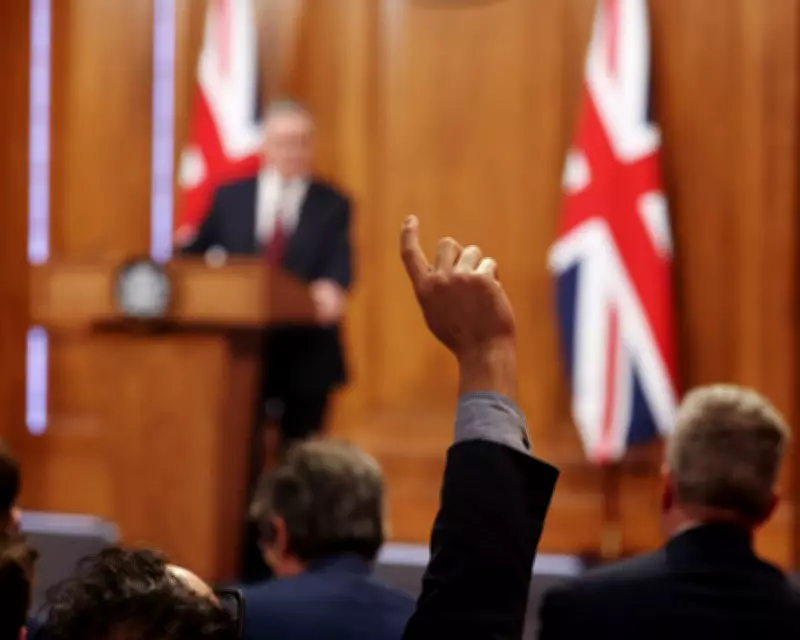
In a recent press conference at No 10 Downing Street, Keir Starmer emphasized the importance of making the Labour party feel good about itself to earn deserved credit. This statement comes as the party navigates a series of crises, including the release of the Mandelson papers and ongoing international conflicts. Political strategist John McTernan, former political secretary to Tony Blair, offers insights into how Starmer can leverage these challenges to foster unity and drive change.
Navigating Media Misdirection and Crisis Opportunities
The release of the Mandelson papers has sparked relentless media scrutiny, but McTernan suggests that such events can be turned to advantage. He compares politics to magic, where misdirection allows leaders to focus on long-term goals while news events absorb public discourse. Currently, topics like the May elections and the conflict in Iran act as news sponges, creating space for strategic action. McTernan advises using this time productively by addressing both global and local issues.
Strengthening EU Ties for Growth and Authenticity
Starmer has previously advocated for closer alignment with the European Union, particularly the single market, citing national interest. McTernan notes the lack of backlash from figures like Nigel Farage, indicating a shift in public sentiment post-Brexit. By pursuing this path, Starmer can tap into economic growth and appeal to progressive voters, reinforcing his authenticity as a leader committed to pragmatic solutions.

Empowering Local Governance to Drive Domestic Change
Domestically, McTernan warns against superficial rhetoric on communities, which risks mimicking failed policies. Instead, he calls for substantive devolution, including fiscal powers for local authorities. Proposals include implementing tourist taxes, transferring surplus government land to councils, and supporting municipal projects like council housing and public transport improvements. Dubbed Manchesterism for all, this approach aims to revitalize town centers and address resource shortages at the grassroots level.
Embracing Generational Change and International Stances
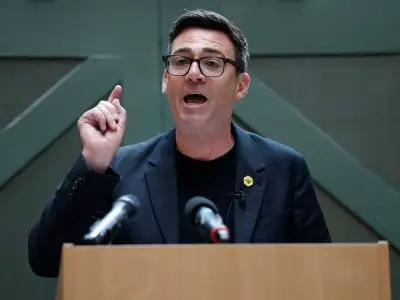
McTernan highlights Starmer's refusal to join offensive actions against Iran as a pivotal moment, aligning Labour with public opinion against neocon foreign policies. This stance, coupled with efforts to recognize Palestinian statehood and define Islamophobia, provides a platform to win back core voters. Additionally, welcoming figures like Andy Burnham back into the fold symbolizes generational change within the party, fostering a sense of renewal and credit for Starmer's leadership.
Turning Crisis into Opportunity for Labour Revival
Despite Labour's current challenges, McTernan argues that Starmer is uniquely positioned to steer the party toward unity. By leveraging crises as opportunities for real change, Starmer can transform a potential defeat into a landslide victory. The key lies in balancing international diplomacy with local empowerment, ensuring that the Labour party not only feels good about itself but also earns the trust and support of the British public.