Stella Creasy: When Dancing Becomes a Political Crime
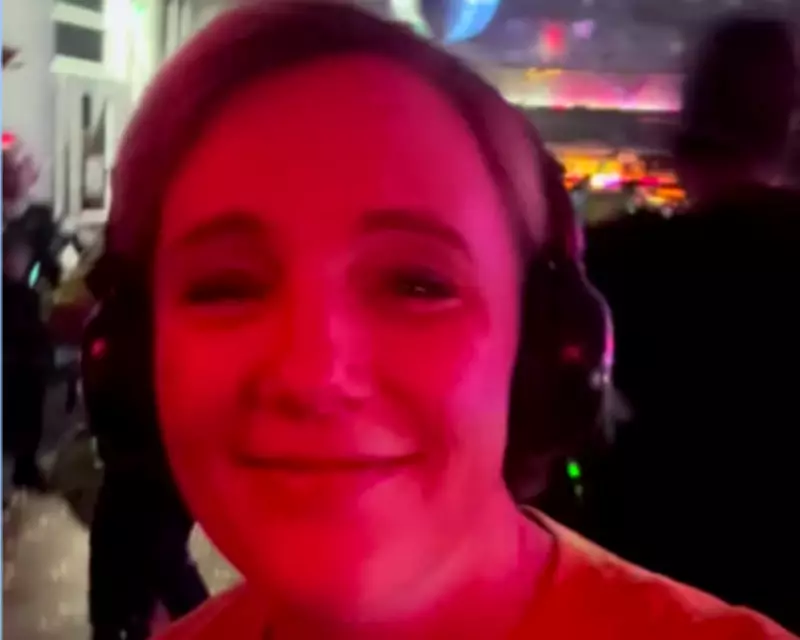
In a world where an MP's simple joy at a silent disco can trigger a national outcry, the line between political criticism and outright hatred has blurred dangerously. Stella Creasy, the Labour and Cooperative MP for Walthamstow, recently shared a video of herself dancing to Robyn in her constituency, a moment that quickly spiraled into a social media storm viewed by nearly one million people. What followed was not just political debate, but a barrage of death threats, vile comments on her appearance, and accusations of unfitness for office, all amplified by political opponents and media outlets like GB News.
The Weaponization of Joy in Politics
This incident is not an isolated case but part of a broader, alarming trend where joy is weaponized to shame politicians. Creasy argues that the underlying issue is more than mere embarrassment over a middle-aged MP dancing; it is a concerted effort to silence opponents through character assassination. While skepticism toward MPs' competence is longstanding and often justified, the new normal involves aggression and personal disgrace tactics against those with differing views.
For instance, figures like Zack Polanski have publicly questioned Creasy's patriotism, while Tommy Robinson labeled her a traitor for disagreeing with them. This hyperbole and inflammatory rhetoric, prevalent across the political spectrum, contribute to a toxic environment where abuse and violence toward politicians are at an all-time high.

The Real-World Consequences of Online Abuse
Every day, MPs exchange stories of criminal proceedings against harassers, office attacks, poison pen letters, and fears for their families and staff. In recent weeks alone, Creasy knows of three colleagues subjected to abuse in their constituencies. Parliamentary security measures often involve moving MPs away from constituents or requiring guards at public events, deepening the perception that politicians are targets.
The damage to Creasy's office in Walthamstow in June 2024 serves as a stark reminder of how online vitriol spills into the physical world. With 44% of women and 38% of men in Britain believing political institutions should "burn" rather than be improved, frustration over issues like the cost of living crisis and geopolitical uncertainty fuels this rage-baiting culture.
A Call for Cultural Change in Democracy
Dismissing social media as a cesspit misses how online behavior sets expectations that politicians deserve abuse. Since Elon Musk took over X, the platform has promoted conservative material and demoted alternative perspectives, exacerbating abusive interactions. Public debate and effective policy-making thrive on free speech and careful listening, yet a culture of bile toward public figures, especially women and people of color, stifles participation.
Creasy notes that while politicians who boast about pub time face little criticism, her dancing drew hours of condemnation. With fears of another physical attack on a parliamentarian looming, she emphasizes that democracy must address the culture fomenting hatred rather than merely preparing for violence. As she celebrated her birthday, someone posted a Nazi portrayal of her, highlighting how basic human pleasures like dancing can provoke extreme reactions.
If we want to stop politicians being punched, we must stop using them as punchbags. The path forward requires fostering kindness and constructive dialogue to ensure politics remains accessible to all, not just those who thrive on conflict.