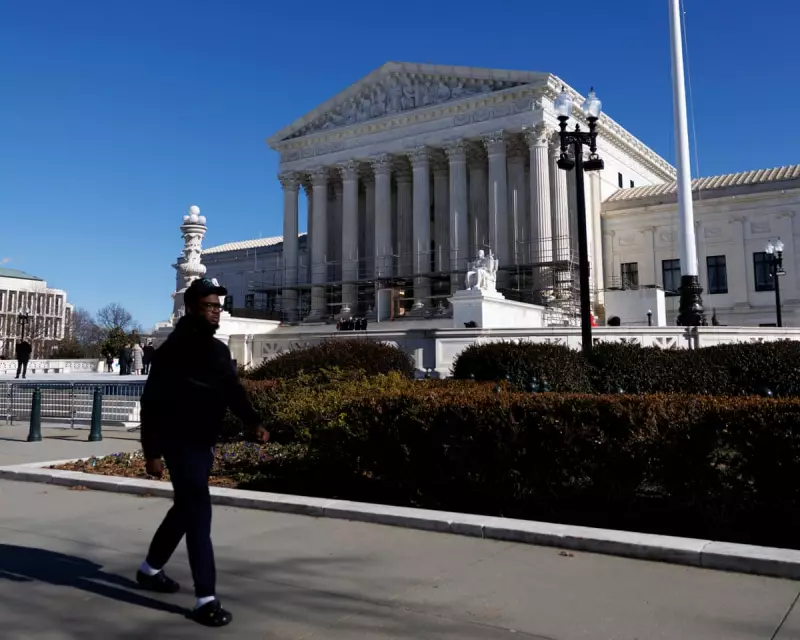
The US Supreme Court is poised to hear oral arguments on Wednesday morning regarding former President Donald Trump's extraordinary bid to fire Federal Reserve governor Lisa Cook from the central bank's board. This legal battle represents a significant escalation in Trump's ongoing campaign to assert control over the Federal Reserve, marking the first time in over a century that a sitting president has attempted to remove a Fed governor.
Unprecedented Presidential Challenge to Federal Reserve Independence
In August, the Trump administration moved to dismiss Lisa Cook from her position on the Fed's influential rate-setting board, citing alleged discrepancies on mortgage applications that officials claimed constituted evidence of fraud. This marked a historic moment—the first presidential attempt to oust a Federal Reserve governor in 112 years, challenging long-standing norms of central bank independence from political interference.
A federal court subsequently blocked Cook's removal, allowing her to remain in her crucial role overseeing monetary policy. The Trump administration has continued its unprecedented pressure campaign against the Federal Reserve, particularly regarding interest rate decisions, after policymakers resisted the president's repeated demands for aggressive rate cuts.

Allegations and Legal Proceedings
The Department of Justice has faced substantial criticism this month for initiating a criminal investigation into Federal Reserve Chair Jerome Powell concerning renovations to the central bank's historic Washington DC offices. Powell has countered that he's being targeted for refusing to "follow the preferences of the president," highlighting concerns about political pressure on monetary policy decisions.
According to reports, Powell plans to attend Wednesday's Supreme Court hearing in person, underscoring the significance of this case for the Federal Reserve's institutional autonomy. The Trump administration alleges that Lisa Cook committed mortgage fraud by misrepresenting multiple properties as her primary residence, though these claims have been contested in lower courts.
Testing the Limits of Executive Power
While President Trump has frequently exercised broad executive authority—including through the Department of Government Efficiency's mass firings of federal workers and defunding of government programs—this Supreme Court case represents a crucial test of presidential limits regarding independent agencies.
Legal experts note that Supreme Court justices previously hinted at special protections for the Federal Reserve in an unrelated ruling concerning two labor officials Trump had dismissed. In that decision, justices described the Fed as "a uniquely structured, quasi-private entity" with historical roots tracing back to the First and Second Banks of the United States.
This judicial language suggests the court may afford the Federal Reserve and its officials protections not typically granted to other government agencies, potentially creating a significant barrier to presidential removal powers. The outcome could establish important precedents regarding the balance of power between the executive branch and independent regulatory bodies.
The Supreme Court's decision in this landmark case will have far-reaching implications for central bank independence, presidential authority, and the stability of US monetary policy institutions during periods of political tension.