Texas Republicans Face Internal Conflict Over Senate Leadership
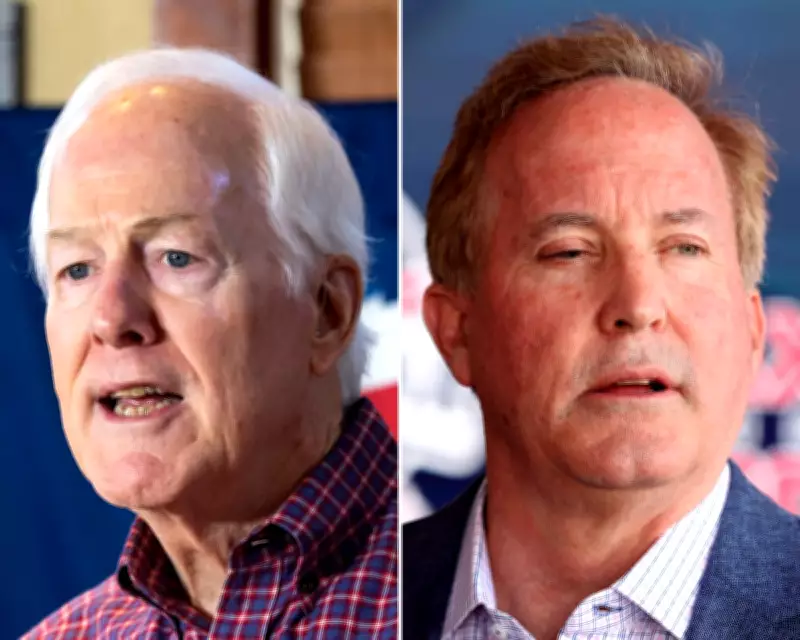
The Republican Party in Texas is currently experiencing significant internal conflict, with tensions rising between Senator John Cornyn and Attorney General Ken Paxton. This dispute centers on the direction and leadership of the party within the Senate, highlighting deep divisions that could impact future political strategies and unity.
Key Figures in the Dispute
Senator John Cornyn, a long-serving member of the Senate, represents a more traditional and establishment-oriented wing of the Texas Republican Party. His approach often emphasizes bipartisan cooperation and legislative experience, which has earned him respect in national politics but also criticism from more conservative factions.
In contrast, Attorney General Ken Paxton is known for his staunch conservative stance and alignment with the party's grassroots and populist elements. Paxton has been a vocal advocate for hardline policies and has frequently challenged establishment figures, positioning himself as a leader of the party's right-wing base.

Roots of the Conflict
The conflict between Cornyn and Paxton stems from differing visions for the Republican Party's future in Texas and beyond. Cornyn advocates for a pragmatic strategy that focuses on incremental gains and maintaining party cohesion, while Paxton pushes for a more aggressive agenda that prioritizes conservative principles over compromise.
This divide is not merely ideological but also personal, with both figures vying for influence and control over party resources and messaging. The tension has been exacerbated by recent political developments, including election outcomes and policy debates that have polarized the party's base.
Implications for Senate Leadership
The internal conflict has direct implications for Senate leadership and legislative priorities. Cornyn's position as a senior senator gives him significant sway in shaping party strategy in the upper chamber, but Paxton's influence among conservative voters and activists poses a challenge to this authority.
If the dispute escalates, it could lead to factionalism within the Texas Republican delegation, potentially weakening their effectiveness in advancing key legislation. This scenario might also affect national Republican efforts, as Texas is a crucial state for the party's electoral success.
Broader Political Context
This internal strife reflects larger trends within the Republican Party nationwide, where establishment figures and populist leaders often clash over direction and tactics. In Texas, the outcome of this conflict could set a precedent for how similar disputes are resolved in other states, influencing the party's trajectory heading into future elections.
Observers note that the resolution of this conflict will depend on factors such as voter sentiment, fundraising capabilities, and the ability of both sides to mobilize support. The situation remains fluid, with potential for further escalation or reconciliation depending on political dynamics.
Conclusion
The internal conflict among Texas Republicans, exemplified by the tensions between Senator John Cornyn and Attorney General Ken Paxton, underscores the challenges facing the party as it navigates competing visions for leadership and policy. As this dispute unfolds, it will likely have lasting effects on Senate politics and the broader Republican landscape, making it a critical issue to watch in the coming months.