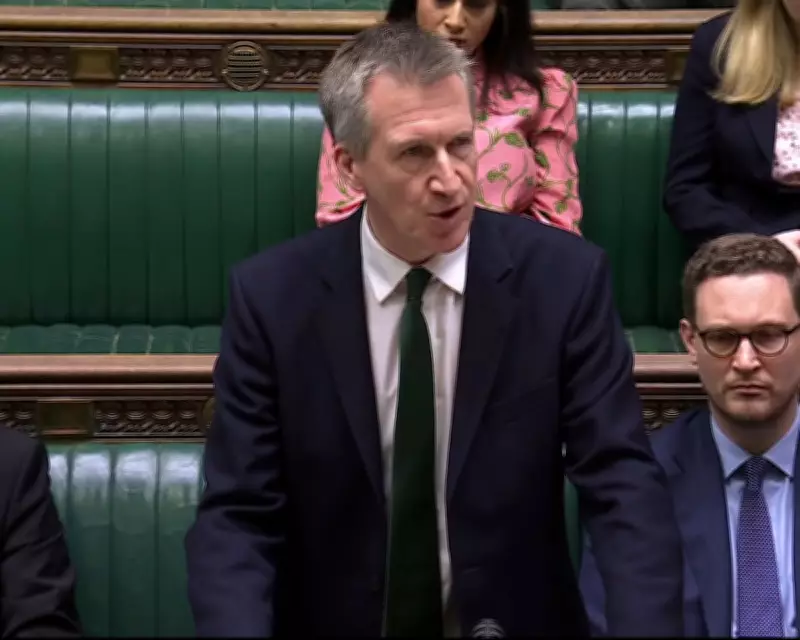
Security Minister Warns Threats Against Female MPs Creating 'Chilling Effect' on Public Life
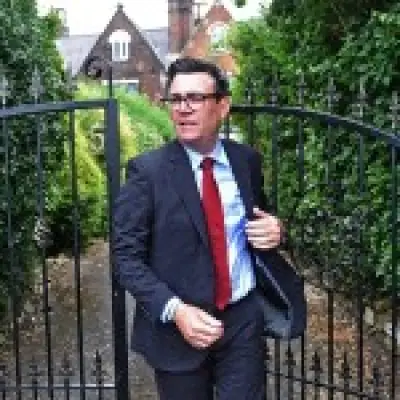
Security Minister Dan Jarvis has issued a stark warning that threats against female members of Parliament are having a "chilling effect" on talented women considering public service careers. Speaking ahead of May's local elections, Jarvis revealed that an unprecedented volume of threats against elected representatives—including physical assaults, vandalism, stalking, and relentless online abuse—is discouraging potential candidates from standing for office.
Disproportionate Impact on Women and Minority Representatives
Jarvis told Parliament that "women and ethnic minority representatives report the highest volumes of abuse", including sexually explicit and racially charged threats. He emphasized that this hostile environment directly impacts "who feels able to stand for public office", creating barriers to political participation that undermine democratic representation.
New Protective Measures Announced
The government has announced several security enhancements through its Defending Democracy taskforce:

- Appointment of Deputy Chief Constable Chris Balmer from Cambridgeshire Police as the National Police Chiefs' Council lead for defending democracy
- Creation of a new threat assessment center modeled on existing parliamentary protections
- Specialist counter-terrorism teams to monitor and respond to threats against local councillors and election candidates
- Extension of England's protective security scheme to representatives in the Welsh and Scottish governments
MPs Share Personal Experiences of Threats
During the parliamentary debate, multiple MPs recounted their own experiences with political violence and intimidation. Labour MP Chris Webb described receiving "a barrage of constant threats and death threats from the far right" since winning his seat in 2024. Green Party MP Hannah Spencer recently required police escort after being targeted during clashes at an anti-far-right event in Manchester.
Liberal Democrat Al Pinkerton revealed he was physically attacked during the 2019 general election when a beer glass was thrown at his head. The discussion occurred beneath memorial shields dedicated to MPs Jo Cox and Sir David Amess, both murdered while serving their constituents.
Cross-Party Consensus Breaks Down Over Extremism Discussion
The announcement of security measures was overshadowed by political disagreement about the sources of extremist threats. Shadow Security Minister Katie Lam asserted that "the single biggest extremist threat to our country remains the threat of extremist Islamist violence", linking this to growing sectarian politics.
Labour MP Dawn Butler immediately challenged this characterization, calling Lam "a disgrace" and countering that "there's a far greater threat from the far-right than there is from Islam." Reform UK also faced criticism during the debate for campaign tactics including a social media advertisement targeting Scottish Labour leader Anas Sarwar that was described as racist.
Broader Context of Political Security Concerns
The new measures come amid varying levels of confidence among MPs about existing protective arrangements. While all parties acknowledge the serious nature of threats against elected officials, the parliamentary debate revealed deep divisions about how to characterize and address different sources of political violence.
Jarvis emphasized that the security enhancements aim to protect the democratic process itself, ensuring that intimidation doesn't determine who participates in public life. The local elections in May will serve as the first major test of these expanded protective measures for candidates at multiple levels of government.