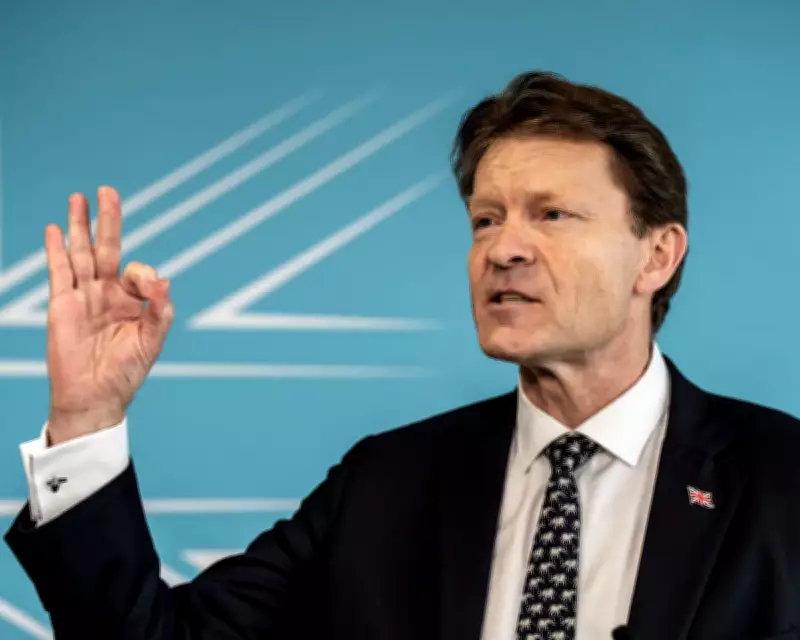
Reform UK's Richard Tice Advocates for Minimum Tax Payments Amid Scrutiny
Reform UK's deputy leader, Richard Tice, has sparked controversy by asserting that all Britons should strive to pay the minimum tax legally possible. This statement came during a press conference where he addressed allegations from a Sunday Times investigation, which claimed his property company utilized a rare legal status to avoid nearly £600,000 in corporation tax.
Allegations of Tax Avoidance Through Reit Scheme
According to the Sunday Times report, Tice's property firm employed a real estate investment trust (Reit) structure between 2018 and 2021, enabling it to pay no corporation tax during that period. Labour has since urged HM Revenue and Customs (HMRC) to investigate these arrangements, with party chair Anna Turley describing it as a deeply troubling case requiring urgent scrutiny.
Tice's Defense and Moral Argument
When questioned about the ethics of minimizing tax payments, Tice rejected the notion that individuals should pay the maximum tax possible. He argued that a new moral code in the UK, which pressures people to pay more than legally required, could drive citizens to leave the country. Tice emphasized that Reit schemes, of which there are approximately 200 in the UK, are accessible to all investors, not just the wealthy.

He also criticized the media coverage, suggesting it was a smear campaign, and pointed to a tweet by Sunday Times journalist Gabriel Pogrund that confirmed Tice had paid all necessary taxes under the scheme. However, Pogrund's tweet reiterated that while no laws were broken, the use of the Reit was a complex and unusual method to reduce tax liabilities.
Political and Public Reactions
The allegations have ignited debate over tax avoidance and corporate responsibility. Tice's comments come as Reform UK promotes its cost-saving achievements in English councils, adding a layer of political tension. The Labour party's call for an HMRC investigation underscores ongoing concerns about tax fairness and loopholes in the system.
As this story develops, it highlights broader issues in UK tax policy and the ethical boundaries of legal tax minimization, with implications for both political discourse and public trust.