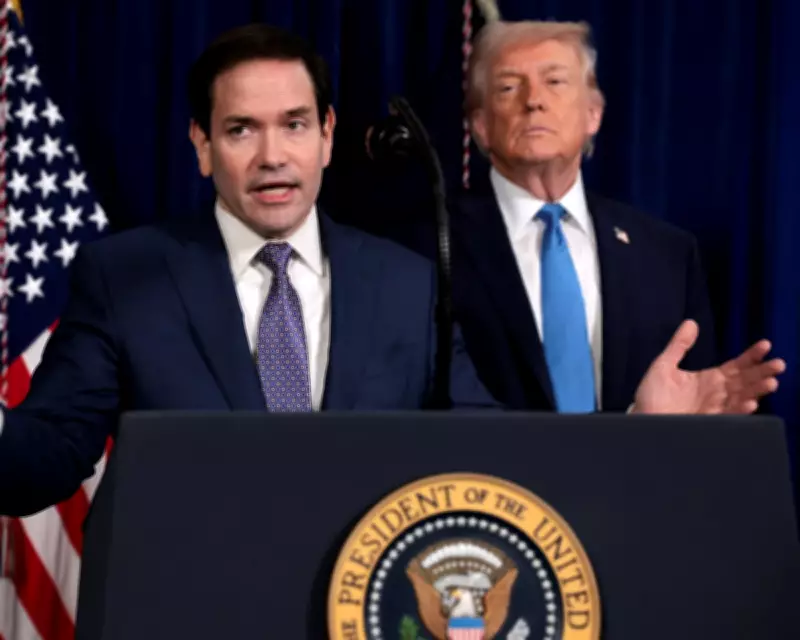
Trump and Rubio Clash Over Iran Policy in Heated Exchange
Former President Donald Trump and Senator Marco Rubio have become embroiled in a public disagreement over U.S. policy toward Iran, exposing significant rifts within the Republican Party on foreign affairs. The dispute, which unfolded through public statements and media appearances, centers on the best approach to address Iran's nuclear ambitions and regional influence.
Divergent Views on Iran Strategy
Trump, known for his "maximum pressure" campaign during his presidency, has advocated for a hardline stance, including economic sanctions and diplomatic isolation. In contrast, Rubio has called for a more nuanced strategy that combines pressure with potential diplomatic engagement under certain conditions. This divergence highlights the ongoing debate among Republicans about how to balance toughness with pragmatism in international relations.
Impact on Republican Unity
The clash between Trump and Rubio underscores broader tensions within the GOP, as party members grapple with foreign policy direction post-Trump administration. Analysts suggest that such public disagreements could influence the party's platform and voter perceptions ahead of future elections. The exchange has drawn attention from political observers, who note that foreign policy remains a contentious issue within the Republican ranks.

Historical Context and Future Implications
Iran has long been a focal point of U.S. foreign policy, with administrations adopting varying approaches over the years. The Trump-Rubio dispute reflects ongoing challenges in formulating a coherent strategy that addresses security concerns while navigating complex geopolitical dynamics. As the debate continues, it may shape policy discussions and legislative efforts related to Iran in the coming months.
Key Points:

- Trump emphasizes a hardline, pressure-based approach toward Iran.
- Rubio advocates for a mixed strategy with potential diplomatic elements.
- The disagreement highlights internal Republican Party divisions on foreign policy.
- Future implications for U.S.-Iran relations and GOP unity are being closely watched.