Trump's Explosive Iran Threat Draws Fierce Criticism from Capitol Hill
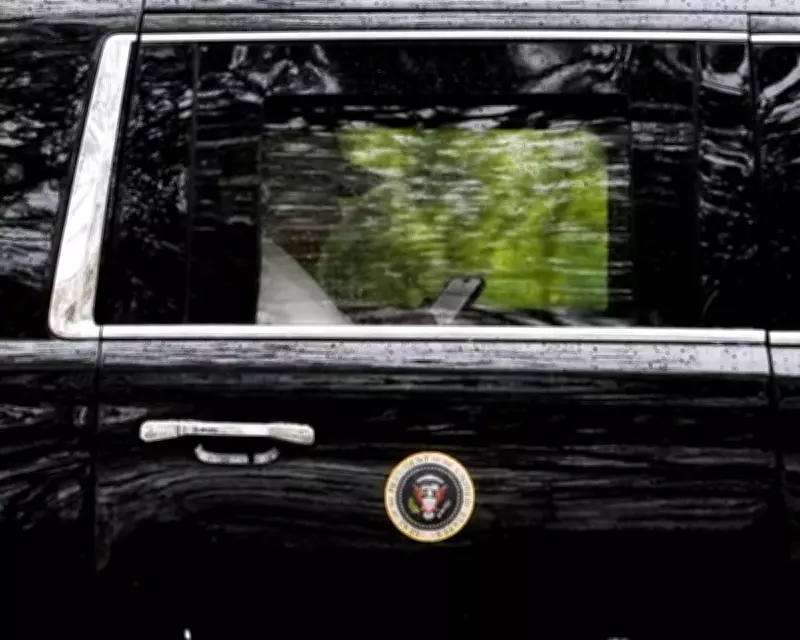
Former President Donald Trump has ignited a firestorm of controversy following an expletive-riddled social media post on Sunday, in which he threatened to obliterate Iran's power plants and bridges if Tehran failed to reopen the Strait of Hormuz by Tuesday night. The inflammatory message, posted as Trump returned to the White House from his golf club, has drawn sharp condemnation from political opponents and raised serious concerns about potential escalation in the Middle East.
Schumer's Scathing Rebuke: 'Unhinged Madman' Rhetoric
Senate Democrat Chuck Schumer delivered a blistering response to Trump's social media outburst, accusing the former president of "ranting like an unhinged madman" and threatening possible war crimes. "The president of the United States is ranting like an unhinged madman on social media," Schumer stated. "He's threatening possible war crimes and alienating allies. This is who he is, but this is not who we are. Our country deserves so much better."
The social media post in question contained particularly aggressive language, with Trump telling Iran: "Open the Fuckin' Strait, you crazy bastards, or you'll be living in Hell." This marked a significant escalation in rhetoric amid ongoing tensions in the region, though Trump separately suggested there was a "good chance" of an agreement to end the five-week war by Monday, telling US media that negotiations were actively happening.

Iranian Response and Regional Implications
Iran's parliament speaker responded swiftly to Trump's threats, warning that the US president's "reckless moves" would mean "our whole region is going to burn." This exchange comes amid heightened tensions following the downing of a US F-15E fighter jet in southwest Iran, from which a second crew member was recently rescued in what Trump hailed as "one of most daring search-and-rescue operations in US history."
The situation has created a complex diplomatic landscape, with Trump's aggressive posture contrasting with his simultaneous claims about potential peace negotiations. The energy crisis sparked by the US and Israel's war against Iran has intensified discussions about renewable energy alternatives, though Trump has continued to advocate for developing US fossil fuels.
Political Fallout and Internal Criticism
The backlash extended beyond Democratic critics, with former Trump ally Marjorie Taylor Greene calling for intervention in what she described as the president's "madness." Greene suggested that everyone in the Trump administration who claimed to be a Christian needed to "beg forgiveness from God" and take action to address the situation.
Meanwhile, US health officials appear to be moderating their public criticism of vaccines as November's midterm elections approach, with polling indicating that anti-vaccine views have become a political liability. This shift in messaging strategy reflects the broader political calculations occurring across Washington as election season intensifies.
Security Concerns and Ongoing Developments
Adding to the day's tensions, the US Secret Service announced it was investigating reports of overnight gunfire near Lafayette Park, located directly across from the White House. While no injuries were reported and no suspect was found after an extensive search of the area, the incident underscored the persistent security challenges facing the administration.
Richard Stengel, former US soft power czar, contributed to the Guardian's featured essay this week, arguing that Trump's "venal persona" and aggressive stance toward Iran would cause "untold damage" to America's ability to make positive contributions globally. This perspective reflects growing concerns among foreign policy experts about the long-term implications of the current administration's approach to international relations.
As the situation continues to develop, political observers are closely monitoring both the immediate response from Iran and the domestic political fallout from Trump's latest controversial statements. The combination of aggressive rhetoric, military operations, and diplomatic maneuvering has created one of the most volatile foreign policy environments in recent memory, with implications that extend far beyond the immediate crisis in the Middle East.