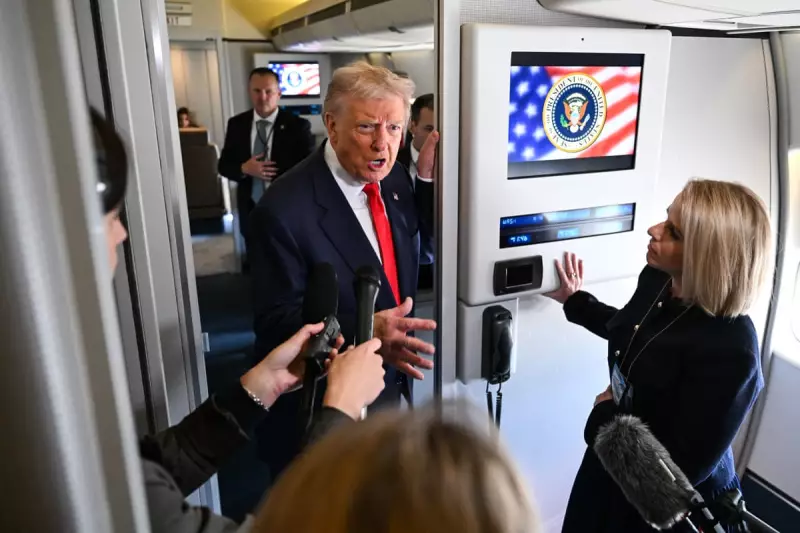
In a dramatic escalation of political warfare, Republican senators loyal to Donald Trump are reportedly preparing to weaponise a government shutdown in their campaign to abolish the Senate filibuster, according to sources familiar with their strategy.
The Nuclear Option: Shutdown as Political Leverage
This radical approach would see conservative lawmakers refuse to fund federal operations unless Democrats agree to eliminate the 60-vote threshold that has defined Senate procedure for generations. The move represents one of the most aggressive attempts to reshape legislative rules in modern American history.
Multiple Republican senators and aides have confirmed that detailed discussions are underway about using must-pass spending legislation as the vehicle for their filibuster reform demands. This would create a direct confrontation with Senate Democratic leadership during critical budget negotiations.

Why the Filibuster Matters
The legislative filibuster requires most bills to secure 60 votes to advance in the 100-member Senate, effectively giving the minority party significant power to block legislation. Supporters argue it promotes bipartisanship and protects against radical policy swings, while critics claim it enables legislative gridlock.
For Trump-aligned Republicans, eliminating the filibuster would clear the path for their conservative agenda, including:
- Major tax reforms and spending cuts
- Substantial changes to immigration policy
- Restructuring of federal agencies
- Appointment of conservative judges
Constitutional Crisis Looms
This strategy places Senate Minority Leader Mitch McConnell in an increasingly difficult position. While traditionally a defender of Senate norms and procedures, McConnell faces mounting pressure from the Trump wing of his party to adopt more aggressive tactics.
The potential government shutdown could occur as early as next month when temporary funding measures expire, creating a tight timeline for resolution. White House officials have indicated they view this approach as political blackmail and have vowed to resist what they characterise as an attack on democratic institutions.
Historical Precedent and Political Risk
Previous attempts to change Senate rules have typically occurred through bipartisan agreements or during periods of unified government control. Using a government shutdown as leverage represents an unprecedented escalation that could have lasting consequences for legislative function.
Political analysts suggest this move reflects the growing influence of hardline conservatives within the Republican party who prioritise policy victories over institutional stability. The strategy carries significant political risk, as government shutdowns historically damage public perception of the party seen as responsible.
As the deadline approaches, all eyes will be on whether Republican leadership embraces this confrontational approach or seeks compromise, setting the stage for one of the most consequential political battles of the current congressional session.