Trump Condemns Starmer's Hesitation on US Use of UK Bases for Iran Strikes
Prime Minister Sir Keir Starmer has come under fire from former US President Donald Trump for his initial refusal to permit American forces to utilize British military installations during the opening phase of strikes against Iran. The controversy centers on Starmer's decision-making process, which Trump labeled as disappointingly slow and unprecedented in the history of US-UK relations.
Defending the Decision in the National Interest
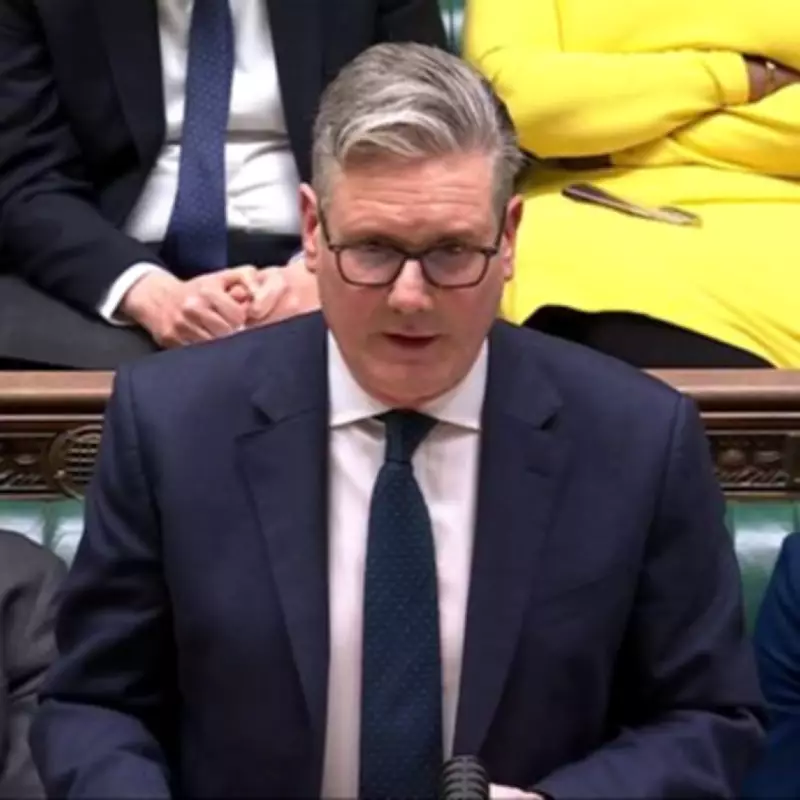
During a comprehensive statement to the House of Commons, Sir Keir Starmer firmly defended his stance, emphasizing that his primary duty is to act in Britain's national interest. "President Trump has expressed his disagreement with our decision not to get involved in the initial strikes," Starmer stated, "but it is my responsibility to judge what is best for Britain." He underscored that any military action must have a lawful basis and a thoroughly considered plan, explicitly referencing the lessons learned from the Iraq War to justify his cautious approach.
Reversal Amid Escalating Threats
The Prime Minister ultimately authorized access on Sunday for the US to use British bases, including the strategically vital Diego Garcia base in the Indian Ocean and RAF Fairford in Gloucestershire. This reversal came in response to Iran's aggressive retaliation against US and Israeli attacks, which endangered British citizens across the Middle East. Starmer explained that Iran's actions had become a direct threat to British people, interests, and allies, necessitating a shift in policy to target Tehran's missile infrastructure and weapons stockpiles.

Trump's Sharp Criticism and Diplomatic Tensions
In an interview with The Telegraph, Donald Trump expressed profound disappointment with Starmer's initial refusal, stating it "took far too long" for the Prime Minister to reconsider. Trump remarked, "That's probably never happened between our countries before. It sounds like he was worried about the legality." He acknowledged the eventual cooperation as useful but reiterated that the delay was excessive, highlighting strains in the transatlantic alliance over military coordination.
Security Concerns and Evacuation Plans
The escalating conflict has raised significant security concerns, with Iran striking targets across the Middle East, including in the United Arab Emirates, Qatar, and Saudi Arabia. Estimates suggest around 300,000 British nationals are currently in countries targeted by Iran, with 102,000 registering their presence with the Foreign Office. The government is actively developing contingency plans, including potential mass evacuations, to ensure the safety of British citizens abroad.
Drone Attacks on RAF Akrotiri and Political Backlash
Hours after Starmer's announcement regarding US base access, a drone struck RAF Akrotiri in Cyprus, though the Prime Minister clarified it was deployed prior to his statement and did not constitute retaliation. Defence Secretary John Healey confirmed no casualties and minimal damage, but families of service personnel were relocated as a precaution. Conservative leader Kemi Badenoch accused the government of hesitating due to political calculations, arguing that Labour sought to avoid alienating voters influenced by Middle East conflicts rather than prioritizing British national interest.
Broader Implications for UK Foreign Policy
This incident underscores the delicate balance the UK government must strike between international alliances and domestic political considerations. Starmer's emphasis on lawful military action and avoidance of regime change policies reflects a cautious foreign policy approach, shaped by historical precedents like the Iraq War. As tensions with Iran persist, the UK's role in global security and its relationship with key allies like the US remain under intense scrutiny, with ongoing debates about the appropriate use of military force and diplomatic strategy in volatile regions.