

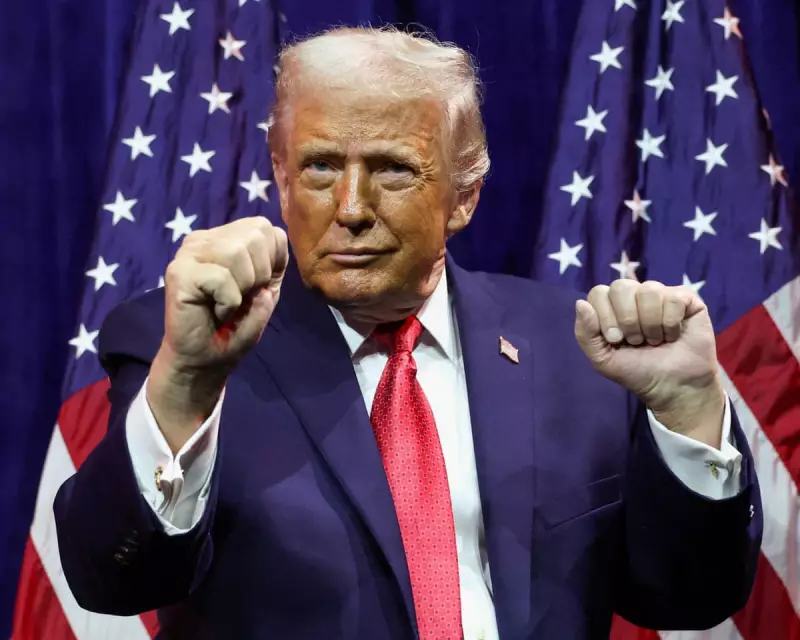
The dawn of Donald Trump's second term in the White House has ushered in a flurry of activity, with the new administration moving swiftly to implement its agenda. Key appointments have been confirmed and significant policy directives issued, signalling a clear intent to reshape both domestic and foreign policy landscapes from the outset.
Key Figures Take the Helm
Central to the administration's early phase is the assembly of its senior team. Elon Musk has been appointed as a special advisor on technology and innovation, a move that underscores the administration's focus on deregulation and fostering close ties with the business sector. Meanwhile, Mike Pompeo has returned to a prominent role, this time as National Security Advisor, bringing his experience from the previous Trump term back to the fore of foreign policy decision-making.
Other notable confirmations include Stephen Miller taking on an expanded portfolio focusing on immigration and domestic policy, and Peter Thiel being named to a strategic advisory board. These appointments point towards a cabinet and advisory circle populated by staunch loyalists and figures known for their hardline conservative views.

Immediate Policy Directives
The administration has wasted no time in translating campaign rhetoric into executive action. A major executive order has been signed aimed at dramatically reducing federal regulations, particularly targeting environmental and financial oversight. This "deregulation blitz" is framed as a measure to boost economic growth and unshackle American industry.
On the international stage, a significant shift in stance towards NATO and Ukraine has been articulated. Officials have indicated a push for a "negotiated settlement" in the conflict in Eastern Europe, coupled with renewed pressure on NATO allies to increase defence spending, signalling a more transactional approach to traditional alliances.
Domestically, the Justice Department has received directives to prioritise investigations into what the administration terms "political bias" within federal agencies, a clear reference to ongoing cultural and political battles. Furthermore, plans for a sweeping tax reform package have been announced, with details expected to favour corporations and high-income earners.
Reactions and Road Ahead
The administration's early moves have elicited strong and polarised reactions. Congressional Democrats have uniformly condemned the policy directions, particularly on deregulation and foreign policy, warning of profound consequences for climate action and global stability. Some Republicans have expressed cautious support, though concerns have been whispered regarding the pace and scope of the changes.
International allies, especially in Europe, are reportedly alarmed by the new tone on NATO and Ukraine, leading to urgent diplomatic consultations. Market reactions have been mixed, with sectors like energy and defence showing gains while renewable energy stocks have faced volatility.
As the administration consolidates its power, the focus now shifts to Congress, where the legislative battle over its ambitious agenda will truly begin. With a firm grip on the executive branch, the Trump administration's second chapter is poised to be defined by rapid, contentious transformation, setting the stage for a deeply consequential period in American politics.






