Britain Opted for Minimal Intervention as Sudan Crisis Deepened
The British government rejected comprehensive plans to prevent atrocities in Sudan despite receiving intelligence warnings about potential genocide in El Fasher, according to an exclusive report seen by the Guardian.
Officials from the Foreign, Commonwealth and Development Office (FCDO) turned down more robust intervention strategies six months into the 18-month siege of El Fasher, instead selecting what internal documents describe as the "least ambitious" of four proposed options.
Systematic Violence Follows City's Capture
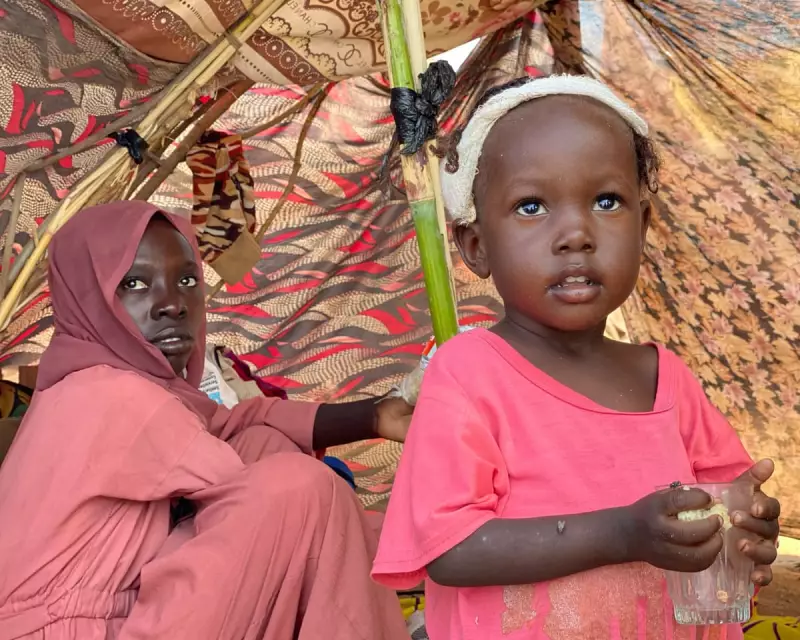
Last month, the paramilitary Rapid Support Forces (RSF) captured El Fasher and immediately launched ethnically motivated mass killings and systematic rape campaigns. Thousands of the city's residents remain missing following the takeover.

An internal British government paper prepared last year detailed four distinct options for enhancing civilian protection and atrocity prevention in Sudan. Among the rejected proposals was the establishment of an "international protection mechanism" specifically designed to safeguard civilians from crimes against humanity and sexual violence.
However, due to significant aid cuts and resource constraints, FCDO officials opted for the minimal approach to protecting Sudanese civilians.
Documented Evidence of Deliberate Choice
An October 2025 report documenting the decision stated clearly: "Given resource constraints, [the UK] has opted to take the least ambitious approach to the prevention of atrocities, including CRSV [conflict-related sexual violence]."
Shayna Lewis, a Sudan specialist with the US-based human rights organisation Paema, condemned the decision, stating: "Atrocities are not natural disasters – they are a political choice that are preventable if there is political will."
Lewis further argued that "the FCDO's decision clearly shows the lack of priority this government places on atrocity prevention globally" and that Britain had become "complicit in the ongoing genocide of the people of Darfur."
The British government's approach carries particular significance given its role as "penholder" for Sudan at the UN Security Council, meaning it leads the council's activities concerning the conflict that has created the world's largest humanitarian crisis.
Funding Constraints Compromised Protection Efforts
Details from the options paper emerged in a review of British assistance to Sudan between 2019 and mid-2025 conducted by Liz Ditchburn, head of the body that scrutinises UK aid spending.
Her report for the Independent Commission for Aid Impact confirmed that the most ambitious atrocity-prevention plan was rejected partly due to "constraints in terms of resourcing and staffing."
The report stated that an FCDO internal options paper outlined four broad approaches but concluded that "an already overstretched country team did not have the capacity to take on a complex new programming area."
Instead, officials selected the fourth and least ambitious option, which involved allocating an additional £10 million funding to the International Committee of the Red Cross and other organisations for various activities, including protection.
The review also found that funding limitations compromised Britain's ability to provide adequate protection for women and girls in Sudan, where the conflict has been characterised by widespread sexual violence.
Sarah Champion, chair of the parliamentary international development select committee, expressed deep concern that "in the rush to save money, some essential services are getting cut."
The Labour MP warned that "prevention and early intervention should be core to all FCDO work" but were often treated as "a 'nice to have'" in practice.
Despite these criticisms, Ditchburn's appraisal did acknowledge some positive aspects of Britain's involvement, noting that "the UK has shown credible political leadership and strong convening power on Sudan."

UK sources maintain that British aid is "making a difference on the ground" with more than £120 million awarded to Sudan, and that Britain continues to work with international partners to achieve peace in the region.