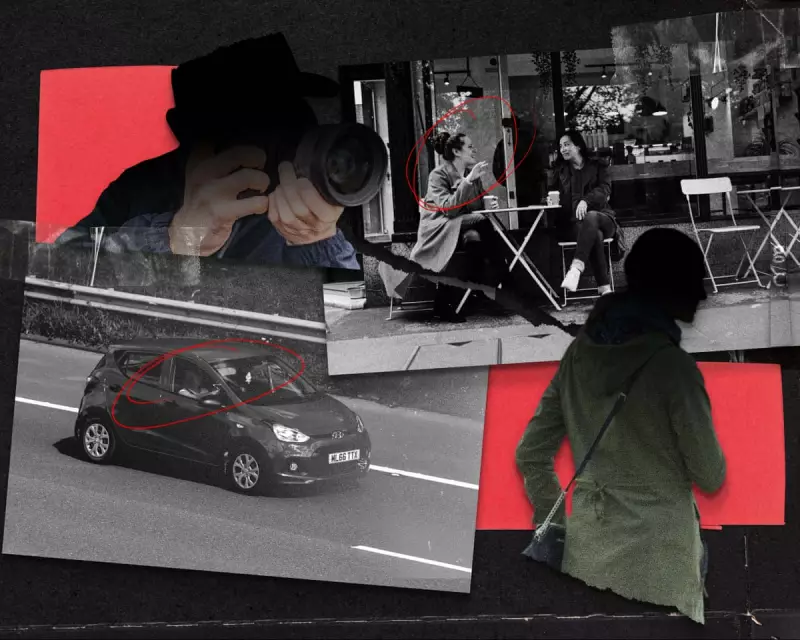
A major investigation has exposed how stalkers and perpetrators of domestic abuse in the UK are outsourcing their harassment campaigns to private investigators, exploiting a complete lack of regulation in the sector.
The Unregulated Industry Enabling Abuse
There is no licensing system for private investigators in the United Kingdom. This means anyone can set up shop and advertise surveillance services without mandatory qualifications, training, or criminal background checks. The Guardian's exclusive investigation has identified at least 30 cases over the last three years where this regulatory vacuum has been exploited.
In one distressing instance, a healthcare professional from Kent named Laura discovered during divorce proceedings that her ex-husband had paid approximately £4,000 to a firm called PID Global Ltd to have her followed and photographed. Her ex, who displayed controlling and physically violent behaviour, was later issued with a stalking protection order. The private investigator he hired, however, faced no scrutiny.

"You just feel really violated," Laura said. "It makes you feel really vulnerable, that it's going on without you knowing." She described the discovery as an "out-of-body experience," shocked that someone could pay a professional to follow her.
Tracking Victims to Places of Safety
The investigation found that in at least three separate cases, private investigators successfully tracked women to the addresses of domestic violence refuges, shattering their sense of security. In early 2023, refuge services in the Newcastle area were thrown into alarm when a woman discovered a PI company had located her safe house.
"She was really upset, really distraught and obviously feeling very, very unsafe again," said the manager of the refuge. "When people come to a refuge it's because they're at significant risk of harm or death from their partner."
The company involved, Nationwide Tracing, states it can "locate anyone" for £30. Its head, Michael Leonard, said providing an address to an abuser was "our worst nightmare" and that policies had been tightened since. The police and Information Commissioner's Office reviewed the incident but found the company had acted within the law.
Broken Promises and Lethal Consequences
Concerns over the sector are not new. In 2013, following a critical government review, then Home Secretary Theresa May announced plans for a compulsory licensing scheme. Applicants would need extensive training and criminal checks, and operating without a licence would become a crime. More than a decade later, this system has still not been implemented.
The true scale of the problem is unknown, as no official records are kept. The Guardian pieced together cases from court records, charity reports, and limited police data. In 75% of cases where gender was known, it involved men stalking women. The consequences can be fatal.
In 2023, David Boulter, 60, hired a PI to track his wife Deborah, wrongly suspecting an affair. He later killed her and himself. In another horrific 2019 case, a man hired investigators who placed a GPS tracker on his ex-wife's car. His friends later found her and threw acid in her young son's face, severely disfiguring him. The investigator was questioned but faced no sanctions.
Emma Pickering, head of tech abuse at the charity Refuge, argues investigators must be held accountable. "Fundamentally, if you are placing hidden devices on somebody, if you're tracking them without consent, if you're following them, monitoring them, hacking into databases to see where they are... all of that is criminal activity," she said.
Robert, the chief investigator at PID Global, told the Guardian his firm vets clients but the system is "not infallible." He compared his role to a pub landlord who cannot control a customer's actions after they leave. He acknowledged some clients become "addicted" to surveillance and are cut off.
Campaigners highlight the irony that many PIs are former police or military personnel. "They've built those skill sets to defend the public and now they're using them to potentially cause harm," Pickering noted. A survey found 64% of PIs were ex-police and 20% ex-military.

For victims like Laura, the injustice is stark. "If the man did [the surveillance] himself, it's not acceptable – but if you're using someone else, apparently it is," she said. "It's damaging for women and it is another form of abuse indirectly. As a profession, it's inhumane."