US and Russia Back Orbán in Hungary Election, Raising Influence Questions
As voters in Hungary head to the polls in a hotly contested election, the involvement of foreign powers has sparked significant debate. The United States and Russia are both showing support for Prime Minister Viktor Orbán, raising questions about their influence on the democratic process.
US Support Through High-Profile Visits
The official announcement that JD Vance, along with his wife Usha, will visit Hungary just days before the election was met with enthusiasm from Budapest. Viktor Orbán's political director, Balázs Orbán, confirmed the news on social media with multiple exclamation marks and emojis, highlighting the perceived importance of this gesture.
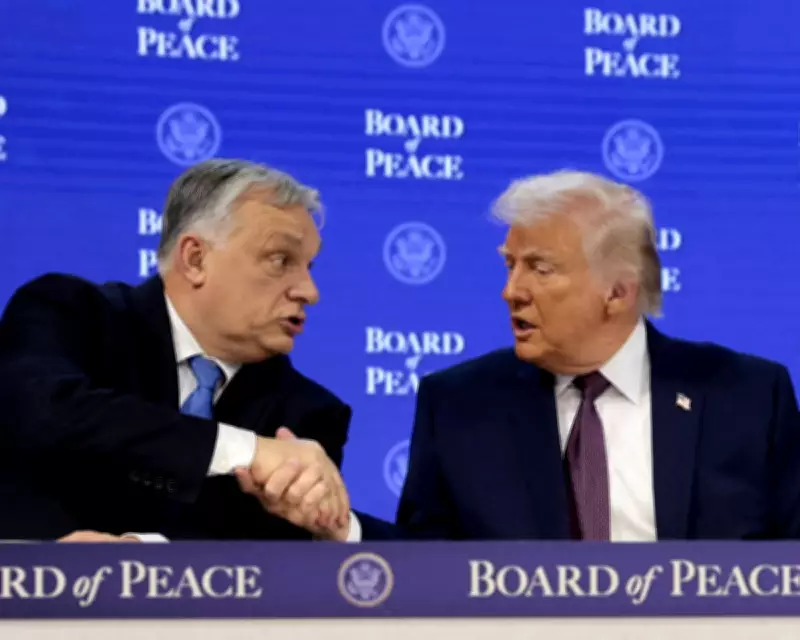
The White House stated that Vance's trip is aimed at bolstering Orbán, who currently trails in the polls. This move is seen as part of a broader effort by the US to support the Hungarian leader, with figures like Donald Trump repeatedly endorsing Orbán as a "fantastic guy" and a "strong and powerful leader."

Alleged Russian Interference Efforts
Simultaneously, reports have emerged suggesting that Russian intelligence agencies and disinformation networks with links to Russia are working to sway the election in Orbán's favor. Allegations include proposals for staged events to boost his chances and content aimed at undermining his main opponent.
This dual support from both the US and Russia has led to ironic observations, as noted by Jeremy Shapiro, research director of the European Council on Foreign Relations. He pointed out that while the US and Russia are traditionally rivals, they now seem aligned ideologically in backing Orbán's vision of a white nationalist Christian civilisational ethic.
Motivations Behind the Support
Experts suggest that the motivations for US and Russian support differ significantly. For Russia, keeping Orbán in power serves strategic interests, as he has been a useful ally within the EU and NATO, often acting as a conduit for Russian influence. In contrast, US support appears rooted in ideological alignment, particularly within the Trump administration, which views Hungary as a model for conservative values.
Dalibor Rohac, a senior fellow at the American Enterprise Institute, explained that while Russia sees Orbán as a tactical asset, the US infatuation with him reflects the transformation of the Republican party under Trump. This shift has led to a reevaluation of Hungary's role, despite past concerns about its democratic trajectory and close ties to Moscow.
Broader Implications for European Democracies
The election in Hungary, a country of about 9.5 million people, has taken on outsized importance due to these foreign influences. As Hungarians grapple with economic stagnation and political scandals, most polls show Orbán's Fidesz party trailing behind the centre-right Tisza party led by Péter Magyar.
Beyond the immediate electoral outcome, Rohac warned that Europe should consider the broader message of US support for Orbán. He raised concerns about the potential for US platforms, like those under Elon Musk's X, to be weaponized in European election campaigns, similar to Russian interference tactics.
This situation underscores the complex dynamics at play in Hungary's election, where domestic issues are intertwined with global power struggles, highlighting the challenges facing European democracies in an era of shifting alliances and ideological battles.