Operation Epic Fury: A Modern Boer War for the United States?
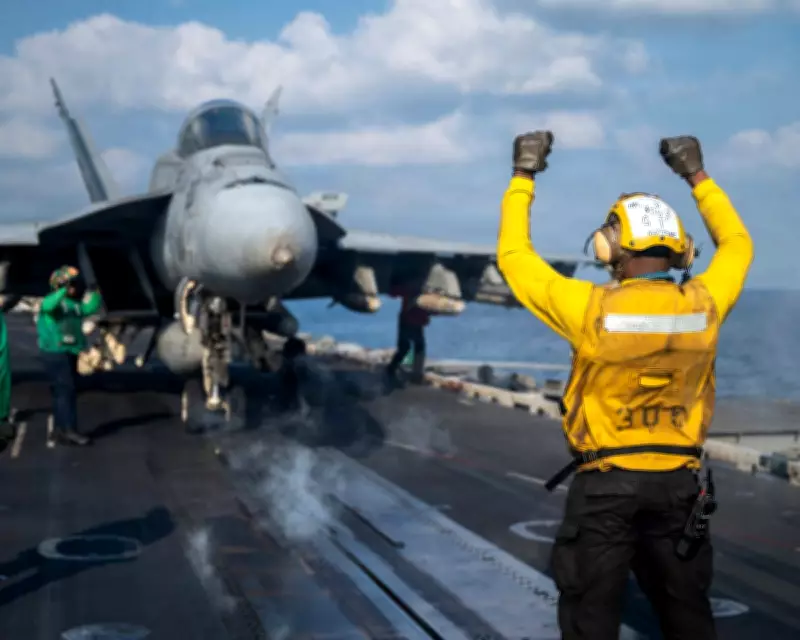
US Navy sailors aboard the aircraft carrier USS Abraham Lincoln during Operation Epic Fury's attack on Iran on March 4, 2026, symbolize a military might that may face unexpected challenges. What US leaders anticipated as a swift victory is evolving into a protracted conflict, drawing parallels to Britain's Boer War—a hollow triumph that could mark the beginning of the end for American economic dominance.
Historical Echoes: From British Empire to US Hegemony
In 1899, the Boer War pitted South African farmers against the British Empire, with expectations of quick surrender. Instead, it dragged on for nearly three years, severely damaging British prestige as global powers like the US rose. Today, the US risks a similar fate in Iran, where guerrilla tactics by Iranian forces mirror those of the Boers, threatening to expose limitations in US power despite superior firepower.
Oil Market Turmoil and Global Recession Fears
The conflict has spilled across the Middle East, with no imminent end in sight. Iranian missile strikes on Gulf state oil and gas facilities, coupled with the closure of the Strait of Hormuz to tankers, have driven Brent crude prices up by 50% and gas prices by a similar margin. This surge echoes past oil shocks, such as the 1973 Yom Kippur War, which historically triggered inflation and recessions. Rising energy costs are already impacting petrol, aviation fuel, and fertilisers, with dearer transport likely to push food prices higher and force business layoffs.

Questionable Assumptions and Economic Fallout
Initial US and Israeli assumptions of a risk-free, lightning air war have proven flawed. Iran's resilience and attacks on neighboring countries have cut oil and gas production, prolonging economic damage. Financial markets, once comforted by Donald Trump's tendency to back down—dubbed "Taco" for "Trump always chickens out"—now face uncertainty as Iran refuses to yield. Beyond energy, supply chains are at risk due to bottlenecks in helium and sulphur exports from Qatar, critical for semiconductors, electric vehicles, and fertilisers.
Long-Term Implications and US Power Limits
Central bank rate cuts may mitigate short-term war costs, but the conflict underscores vulnerabilities in global supply chains, highlighted by the Covid-19 pandemic. It strengthens the case for greater self-sufficiency, especially in renewable energy. While the US has a history of reinvention, warning signs loom: China's manufacturing dominance challenges US economic hegemony, and the dollar's status as the world's reserve currency is not guaranteed. As in early 20th-century Britain, an era of protectionism and nationalism may dawn.
Trump's Dilemma: Pyrrhic Victory or Prolonged Conflict
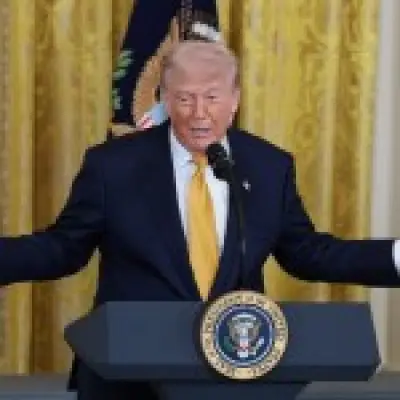
President Trump faces a tough choice: end the war now, claiming success but leaving Tehran's regime intact, or prolong it, risking economic pain and political backlash at home. Either option may result in a pyrrhic victory, showcasing both US strengths and weaknesses. This conflict serves as a stark reminder of the limits of American power in a shifting global landscape.