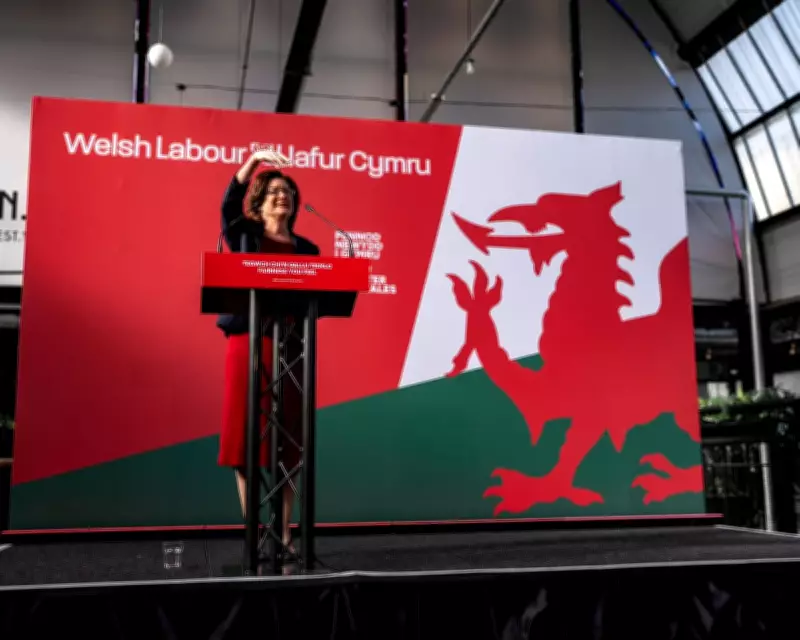
Welsh Voters Show Widespread Confusion Over Devolution and Election Mechanics
A recent report has uncovered significant gaps in public understanding among Welsh voters regarding the upcoming Senedd elections and the division of powers between Cardiff Bay and Westminster. According to polling research released by Cardiff University and YouGov, almost 60% of Welsh voters are unaware of how the new voting system will operate in May's elections, highlighting a critical issue in democratic engagement.
Devolution Knowledge Remains Low After 26 Years
The study, based on a representative poll of 1,544 people conducted in February, found that 26 years since devolution began, many voters remain unsure about which policy decisions are handled by the Welsh government versus the UK government. One-third of respondents did not know that health and education are devolved to Wales, and only 1% correctly identified responsibility for eight key policy areas.
Nearly 70% of people either answered incorrectly or did not know that policing in Wales, unlike in Scotland, is under UK government control. Additionally, 29% were incorrect or unaware that immigration policy is decided by Westminster. These findings point to a persistent lack of clarity on constitutional matters.

New Voting System Adds to Voter Uncertainty
Only 7% of people knew that May's crucial vote will be held under a new closed list system, while 58% did not know which voting system will be used. Professor Stephen Cushion, the lead researcher, stated that these results raise urgent questions about public access to political information ahead of the election. During an election period, these gaps matter for democratic accountability because people need to make a well-informed decision about who will be running Wales over the next few years, he emphasized.
Media Consumption and Constitutional Blurring
Some of the confusion can be attributed to media consumption patterns. UK-wide media outlets remain the primary news source for 46% of respondents, compared with only 10% who use mainly Wales-focused and Wales-produced news. Almost half of respondents said UK-wide outlets did a poor job of reporting on Wales, with 19% citing a focus on London and south-east England as the biggest reason.
Researchers found that respondents often struggled to place news stories in the correct constitutional context. For example, many misread a BBC website story about an England-only junior doctors' strike as UK-wide. UK-focused news reporting can blur constitutional lines for audiences in Wales. Clearer labelling would help voters match party promises to the right tier of government this May, Cushion noted.
Uneven Recognition of Welsh Political Figures
Recognition of Welsh political figures was uneven in the poll. The Labour first minister of Wales, Eluned Morgan, was recognised by 62% of participants, while her likely successor, Plaid Cymru's Rhun ap Iorwerth, was known by 47%. Dan Thomas, appointed as Reform's leader in Wales last month, was correctly identified by only 10% of respondents, in stark contrast to Reform UK leader Nigel Farage, who was almost universally recognised at 94%.
Thomas is likely to become opposition leader in the Senedd and could even be first minister after May's elections. Polls consistently suggest Plaid Cymru and Reform will push incumbent Welsh Labour into third place, potentially ending more than 100 years of Labour hegemony in Wales.