London has transformed over the last hundred years, expanding from its historic riverside roots into a sprawling metropolis that reaches deep into the surrounding Home Counties. In some parts of the capital, the iconic River Thames is nowhere to be seen, and a trip to central London can feel as long as a journey from the M25 to the coast.
The Capital's Most Thames-Distant Location
According to a definitive analysis by the Ordnance Survey, the area to the southeast of South Street in Bromley holds a unique geographical title. It is officially the point within Greater London that lies the greatest distance from the River Thames, sitting a remarkable 22 kilometres from the river's edge.
A spokesperson for the Ordnance Survey detailed the method to MyLondon: "To find the furthest point from the River Thames within London, the length of the River Thames through the Greater London area was selected from OS Open Rivers. Buffers were then used to calculate where the furthest location was situated."

A Rural Pocket in the City
South Street is a small, leafy neighbourhood located just past Biggin Hill. It nestles right against the boundary where London meets Kent and Surrey, stretching along Main Road towards Hawley's Corner. This area, specifically Westerham Hill, is not only London's most Thames-distant point but also its highest residential area, standing at 220 metres above sea level.
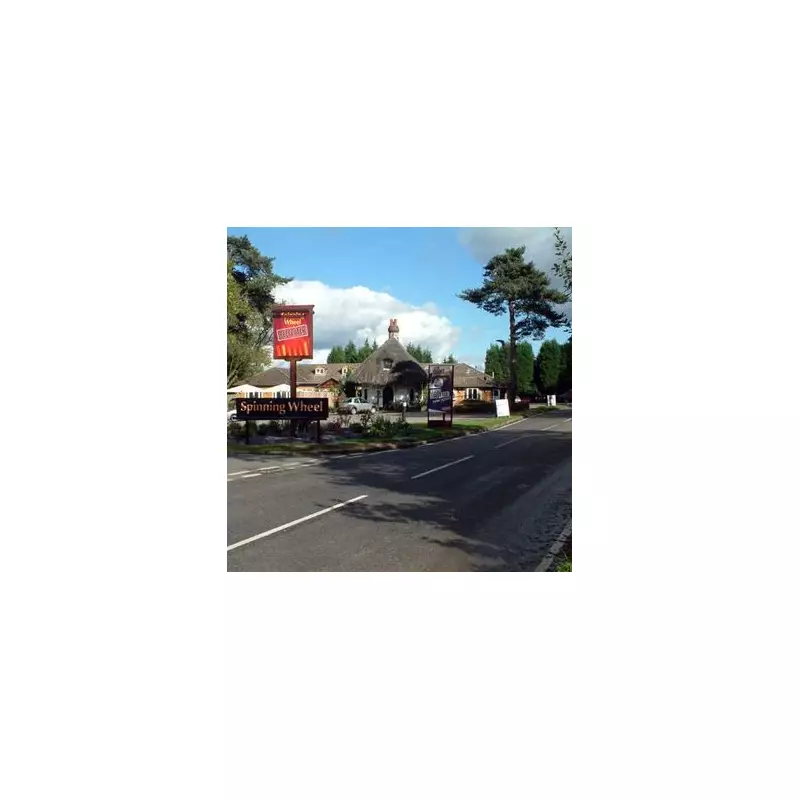
From the summit of Betsom's Hill, residents enjoy stunning rural views across the Surrey-Kent border. The locale is a picturesque blend of cottages, barns, and farms, bookended by two local establishments: the Aperfield Inn and the Spinning Wheel. The latter, an Indian restaurant in a charming cottage, holds the additional distinction of being London's southernmost pub.
The area has a strong agricultural character. Local farmers are renowned for their strawberries, which are sold at Covent Garden market, and use much of the land for grazing. It is also known for its equine community and was once home to an annual horse show. A Baptist church built in the late 19th century stands on Main Road, and the road also hosts various small businesses like the Saddlery and Gun Room, catering to country pursuits.
The Challenge of Accessibility
Despite its idyllic setting, this secluded part of London presents a significant logistical challenge for those without a car. The nearest train station is in New Addington, which involves a hefty 90-minute walk. For visitors, the primary public transport link is the 246 bus service, which can whisk passengers to Hayes station in approximately 25 minutes.
This remote corner of Bromley, where London converges with Surrey and Kent, offers a surprising escape from the city's frenetic pace without requiring a journey beyond the capital's borders. It stands as a testament to London's astonishing geographical diversity, where urban sprawl gives way to countryside vistas, all within the confines of the M25.