Notting Hill Residents Turn to Black Paint to Combat Influencer Invasion
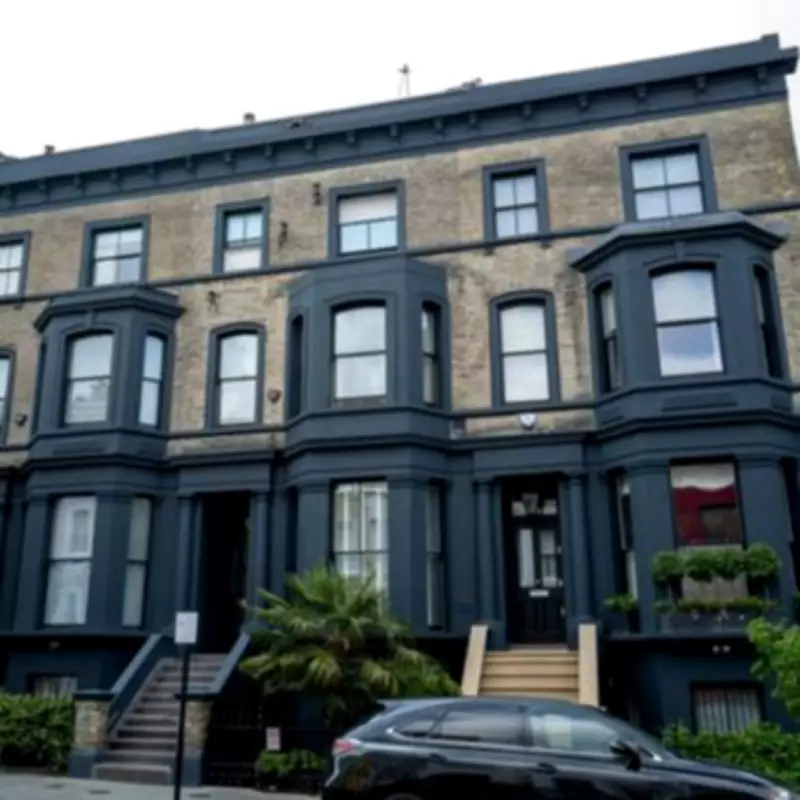
Residents of London's famed Notting Hill neighborhood have taken drastic measures to reclaim their privacy, painting their traditionally vibrant homes black in an effort to deter tourists and social media influencers. Homeowners on Lancaster Road, located near Portobello Road Market in West London, report being overwhelmed by crowds who treat their residential street as a photography backdrop.
The Instagram Effect on Residential Life
According to multiple residents who spoke anonymously, the situation has become unbearable. "People get on the steps and take loads of photos," one resident explained. "On the weekends, there can be hundreds of people. It's not Londoners - it's mainly tourists. But it just gets stressful."
The problem extends beyond photography. Residents describe influencers conducting multiple outfit changes on their doorsteps, tourists enjoying picnics on their property, and visitors peering through windows. "I think people just forget that people live here," another resident noted.

A Colorful Solution to a Modern Problem
Three houses on Lancaster Road have now abandoned their colorful exteriors for black paint, hoping the less photogenic appearance will reduce visitor numbers. "The hope with the black houses is that it's less picturesque," a resident explained. "They basically want to attract less attention."
Additional measures include:
- A 'quiet zone' sign erected on the street
- One property stringing a rope across their front steps
- Other homeowners opting for muted tones like grey and beige
George Hencken, a 29-year resident, shared that she painted her previously pink home grey seven years ago with similar intentions. "The point was to be an unphotogenic color," she said, though she noted that even this doesn't solve all problems.
The Cultural Impact of Tourism
Residents expressed frustration not just with the disruption, but with how tourism is changing the neighborhood's character. "This area used to be a proud rebel corner in west London," Hencken explained. "Yes, there are expensive houses, but this street also has a lot of social housing. They don't know the history."
She attributed much of the problem to the 1999 film "Notting Hill" starring Hugh Grant and Julia Roberts, which transformed the area into a tourist destination. "Ever since Richard Curtis made that stupid film every American banker or rich guy from Switzerland who spends a few months here, when asked where they want to live, says: 'Oh, my wife likes that film.'"
Mixed Results and Tourist Reactions
While residents report some improvement since painting their homes black, they acknowledge the solution may be temporary. One resident admitted, "It's been working a little bit so far, to be fair," but added that if the problem continues, the entire street might need to coordinate on a single color scheme.
Tourists visiting the area expressed mixed feelings about the changes. Australian visitors Clancy Carroll and Georgia Densley called the black paint "a downer" but doubted it would deter tourism completely. "If the rest are still colorful, people will come here - and if they all paint their homes black, it will become: 'Let's go see the street of all black houses,'" they predicted.
A Global Phenomenon Hits Home
The situation in Notting Hill reflects a broader global trend where social media transforms residential areas into tourist attractions. Hencken noted, "Instagram and TikTok are having this effect all over the world. I know that there's a cafe in Japan, with a backdrop of Mount Fuji, which has had to close because of it."
As residents continue to navigate this modern challenge, they emphasize their desire for basic privacy and respect. "We're not able to cater to tourists," one resident stated simply, capturing the frustration of homeowners who find their doorsteps transformed into public stages without their consent.