Folkestone Residents Clash Over Controversial War Memorial Proposal
A heated dispute has broken out in Folkestone, Kent, over plans to convert a recently rediscovered Victorian toilet block into a memorial dedicated to soldiers of the First World War. The proposal, submitted by local history enthusiast Bob Mouland, has sparked fierce debate between supporters who see it as a heartfelt tribute and opponents who label it "frivolous" and historically inappropriate.
Historical Site with a Contentious Future
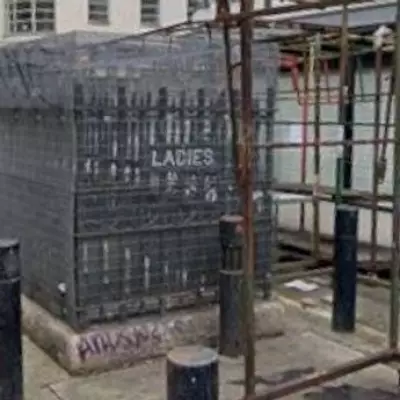
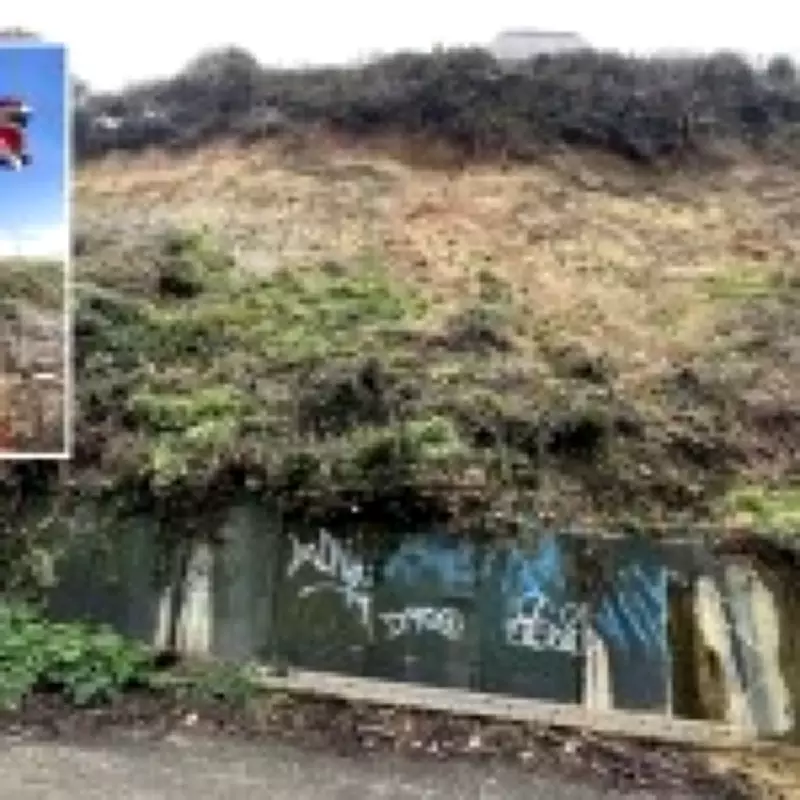
The latrine in question was originally constructed in the 1880s and served the public until its closure in the 1940s. After being buried for decades, the structure was unexpectedly uncovered following a landslip in January 2024. Located along the historically significant Road of Remembrance, the site has now become the center of a planning controversy that has divided the community.
Bob Mouland's vision for the memorial includes installing a 7.5-meter flagpole, a silhouette of a soldier, poppy displays, and a commemorative plaque above the latrine entrance. His inspiration stems from the estimated nine million men who passed through Folkestone during the First World War, many marching along this very route toward the battlefields of Europe.

Support and Opposition Clash Over Historical Accuracy
The proposal has garnered formal support from both Kent County Council and Folkestone Town Council, with some residents praising the initiative as a meaningful way to honor local history. Councillor Mary Lawes, representing Folkestone East, has publicly endorsed the project, describing it as "a wonderful and heartfelt proposal" that preserves "historically meaningful features that others may have considered beyond saving."
However, the New Folkestone Society has mounted strong opposition, arguing that the Victorian toilet lacks any verifiable connection to military history. In comments submitted to Folkestone and Hythe District Council's planning portal, the society stated: "We have concerns about its misassociation with the military. There is no evidence the facilities were ever used by soldiers marching down the hill."
The society further contends that troops would not have broken formation to use the latrine while marching under the "step short" command—an instruction to shorten stride when negotiating gradients—with their destination in sight. They describe the conversion as "excessive, frivolous and incongruous" and express concerns about the visual impact of the proposed flagpole on the clifftop area and nearby listed structures.
Existing Memorials and Historical Context
Opponents point to several existing war memorials in the area, including the Blunderstone Memorial and the Step Short arch, both dedicated to First World War soldiers. Additionally, knitted poppies attached to railings along the Road of Remembrance already serve as a tribute to those who passed through.
Mr. Mouland counters these arguments by emphasizing the broader historical significance of the location. "Whether they used the facility or not, I can't prove they did, but the opposition can't prove they didn't," he stated. "Soldiers passed on down that structure, and the public conveniences were there when thousands marched past. There is not a single memorial or mention of those soldiers who went from the top of the hill down to the bottom."
Planning Decision Imminent
The planning portal currently shows three comments in support of the proposal and two opposing it, reflecting the community's divided opinions. Councillor Lawes has suggested that even if the memorial wouldn't constitute an official designation, "there is nothing preventing it from being regarded as a memorial in spirit and purpose."
As the debate continues, all parties await a final decision from planning authorities expected by next month. The outcome will determine whether this unusual piece of Victorian infrastructure becomes a permanent tribute to the soldiers of the Great War or remains a historical curiosity without military association.