The £1,000 Council Tax Divide on a Single London Street
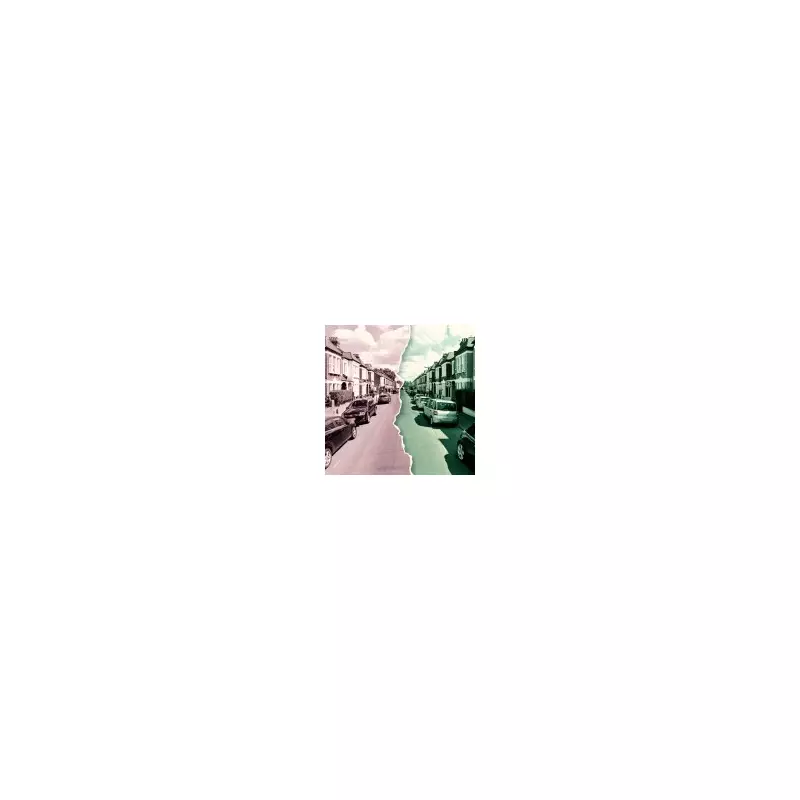
On the quiet residential street of Hazelbourne Road in Clapham, an extraordinary financial disparity exists between neighbours living in virtually identical homes. Some residents are paying nearly £1,000 more per year than others to live on the same street, all due to an invisible boundary line that separates two London boroughs.
The Borough Boundary That Creates a Price Gap
The west side of Hazelbourne Road falls under Wandsworth Council's jurisdiction, while the east side answers to Lambeth Council. This administrative division creates a stark difference in council tax rates that residents must pay. For Band D properties, Lambeth charges £1,954 annually, while Wandsworth charges just £998 for the same band. This means residents on the Lambeth side pay approximately £956 more each year than their neighbours mere metres away.
On a monthly basis, this translates to Lambeth residents paying £162 compared to Wandsworth residents' £83. This significant difference could easily cover a weekly food shop for a working couple with money to spare.

Understanding the Spending Differences
Lambeth Council spends considerably more than its Wandsworth counterpart, with an annual expenditure of £443.5 million compared to Wandsworth's £288 million. Despite this higher spending, Lambeth serves a smaller population of 316,920 people versus Wandsworth's 337,655 residents.
The Telegraph's analysis reveals that Lambeth allocates more funding to several key areas. The council spends £7 million more on adult social care, with a budget of £112 million compared to Wandsworth's £105 million. Additionally, Lambeth invests £10 million more in both housing and children's services.
Deprivation Levels and Service Variations
The spending disparity reflects different levels of need between the boroughs. According to Office for National Statistics data, Lambeth ranks 104th out of 296 English councils on the deprivation scale, while Wandsworth sits at 197th position. However, only 1% of Lambeth neighbourhoods are classified as 'highly deprived' by government standards, while Wandsworth has no neighbourhoods in this category.
Service differences extend to waste collection too. Wandsworth collects black bins weekly, while Lambeth operates a fortnightly collection system. Despite the less frequent service, some residents report better outcomes on the Lambeth side of Hazelbourne Road.
What Residents Get for Their Money
Lambeth council tax funds several notable initiatives. The borough is trialling a Healthy Neighbourhood scheme in the Kennington Triangle area to improve road safety and air quality. A Community Parklet Scheme transforms kerbside parking into social and green spaces, while a new Brixton contraception services hub offers expanded reproductive health options. The council has even provided free bicycles for a Muslim women's cycling group called Cycle Sisters.
Wandsworth, which boasts the lowest council tax in the country, maintains its status as London's Borough of Culture 2025. The council is developing new housing with a GP-led health centre and pharmacy, creating 223 homes with 187 designated as affordable. Additional initiatives include three new CCTV vans for public safety, 300 new council homes under construction, and five refurbished or new playgrounds.
The Bigger Picture of Council Tax Disparities
While Lambeth's rates seem high compared to Wandsworth's, they're not the most expensive in London. Kingston upon Thames holds that distinction with a Band D charge of £2,489 annually. The Hazelbourne Road situation highlights how council boundaries can create significant financial inequalities between neighbours living in essentially identical circumstances.
According to government data, 65% of local authorities contain at least one highly deprived neighbourhood, though the concentration varies significantly between boroughs. The Hazelbourne Road divide serves as a microcosm of the broader council tax variations across London, where residents' financial burdens depend heavily on which side of an invisible line they happen to live.