Melbourne Property Market Shows Early Signs of Cooling
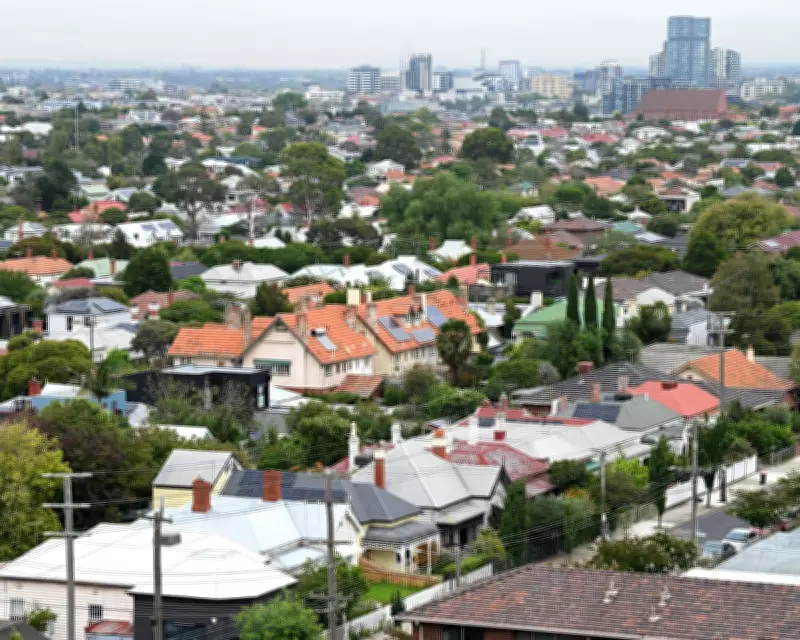
The Melbourne housing market is displaying clear indicators of a slowdown, with home prices across Victoria's capital city experiencing a noticeable decline since the beginning of the year. This trend emerges against a backdrop of economic uncertainty and potential monetary policy adjustments.
Reserve Bank Signals Potential Rate Hike Amid Inflation Concerns
Senior Reserve Bank official Christopher Kent has issued a stark warning about the economic impact of soaring fuel prices resulting from the Iran conflict, describing the situation as "making us all poorer." More significantly, Kent signaled that the central bank may need to implement additional interest rate increases to prevent inflation from spiraling out of control.
These comments come as the Australian government announced its support for an "economically sustainable" above-inflation wage increase for approximately 2.7 million workers as part of this year's minimum wage determination. The dual pressures of wage growth and inflation are creating a complex economic landscape for policymakers.

Political Pressure Mounts Over Fuel Supply Issues
During parliamentary question time, the Coalition opposition intensified pressure on the Labor government regarding fuel supply security. Energy Minister Chris Bowen revealed that approximately 500 service stations continue to report fuel shortages, maintaining a steady level of concern about supply chain stability.
The housing market slowdown coincides with these broader economic challenges, suggesting that multiple sectors of the Australian economy are experiencing simultaneous pressures. Property analysts are closely monitoring whether the Melbourne price declines represent a temporary correction or the beginning of a more sustained downturn.
Broader Economic Context and Market Implications
The combination of potential interest rate hikes, wage pressures, and fuel supply concerns creates a challenging environment for both property buyers and sellers in Melbourne. The cooling housing market may reflect broader consumer caution amid economic uncertainty, with households potentially delaying major financial decisions until greater clarity emerges about the economic outlook.
Market observers will be watching several key indicators in the coming months, including auction clearance rates, days on market statistics, and price movements across different Melbourne suburbs. The performance of the property market in Australia's second-largest city often serves as a bellwether for broader national trends in real estate and consumer confidence.