Australia's Rental Crisis Exposes Tenants to Deadly Summer Heat
As Australia battles one of its most severe heatwaves on record, with temperatures consistently soaring into the high 30s, a stark divide has emerged between homeowners and those living in rental properties. While all Australians feel the oppressive heat, millions of renters face particularly dangerous conditions in homes that were never designed to withstand such extreme weather.
Substandard Housing Creates Public Health Emergency
Across the nation, tenants are struggling in properties lacking basic thermal protection. Many rental homes feature no insulation, poor sealing, broken ventilation systems, or completely inadequate cooling options. Even those with air conditioning units often cannot afford to use them due to crippling rental stress and soaring energy bills.
Recent research from the Everybody's Home campaign reveals a disturbing reality: significant numbers of renters report their homes becoming dangerously hot during summer months. Many are forced to ration electricity usage or completely forego cooling measures simply to afford their rent payments. This creates impossible choices between running air conditioning and purchasing groceries, or enduring stifling indoor temperatures to avoid unmanageable power bills.

Vulnerable Groups Face Life-Threatening Conditions
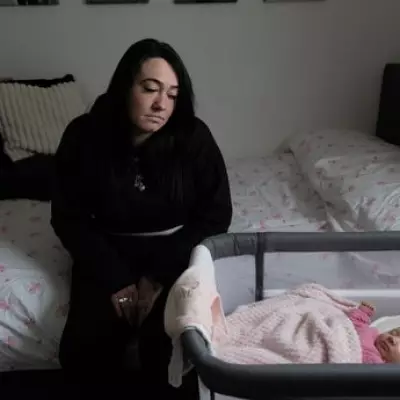
The consequences extend far beyond discomfort. For individuals with chronic illnesses, disabilities, or respiratory conditions, inadequate housing during heatwaves can prove life-threatening. Older Australians, infants, and young children face dramatically increased hospitalization risks from prolonged heat exposure.
Heatwaves already represent Australia's deadliest natural hazard, claiming more lives than any other disaster. As global heating intensifies, these risks continue to escalate, placing vulnerable renters in increasingly precarious situations.
Tenant Fears and Policy Failures Compound the Crisis
Compounding the physical dangers, many renters hesitate to request repairs or upgrades due to legitimate fears of rent increases or eviction. During a severe rental crisis with record-low vacancy rates and skyrocketing rents, asserting basic rights can feel like gambling with one's housing security.
This situation stems directly from housing policies that have long ignored livability standards. Current systems allow landlords to charge premium rents for properties that trap heat, leak air, and offer minimal protection from extreme weather. Simultaneously, governments have failed to implement meaningful rent increase limits, trapping tenants in a vicious cycle of rising housing costs, escalating energy bills, and declining living standards.
Minimum Standards and Rent Controls as Essential Solutions
Some state governments, including South Australia, have begun acknowledging the problem and working toward improved rental standards. While this recognition represents progress, it also highlights how far policy has fallen behind reality. Renters are experiencing dangerous conditions now, not in some distant future scenario.
Minimum rental standards must guarantee that every rental property remains safe and livable during extreme heat events. This requires proper insulation, effective ventilation systems, and fixed cooling solutions where necessary. These measures constitute basic protections in a warming climate, not luxury upgrades.
Equally crucial are meaningful limits on rent increases. Without such controls, any property improvements risk becoming justification for further rent hikes, pushing decent housing further beyond reach. Renters should never face impossible choices between safety and affordability.
Climate Resilience Begins at Home
As summers grow hotter and heatwaves become more frequent, governmental inaction represents an active decision to expose renters to preventable harm. While politicians frequently discuss climate resilience and adaptation strategies, true resilience must start within people's homes.

If governments genuinely intend to protect citizens from extreme heat, they can no longer ignore the hazardous conditions inside rental properties. Australians deserve homes that safeguard their health, not dwellings that endanger their wellbeing. Failure to implement minimum standards and rent controls represents more than mere neglect—it constitutes a conscious choice to leave vulnerable populations at risk as Australia grows hotter with each passing summer.