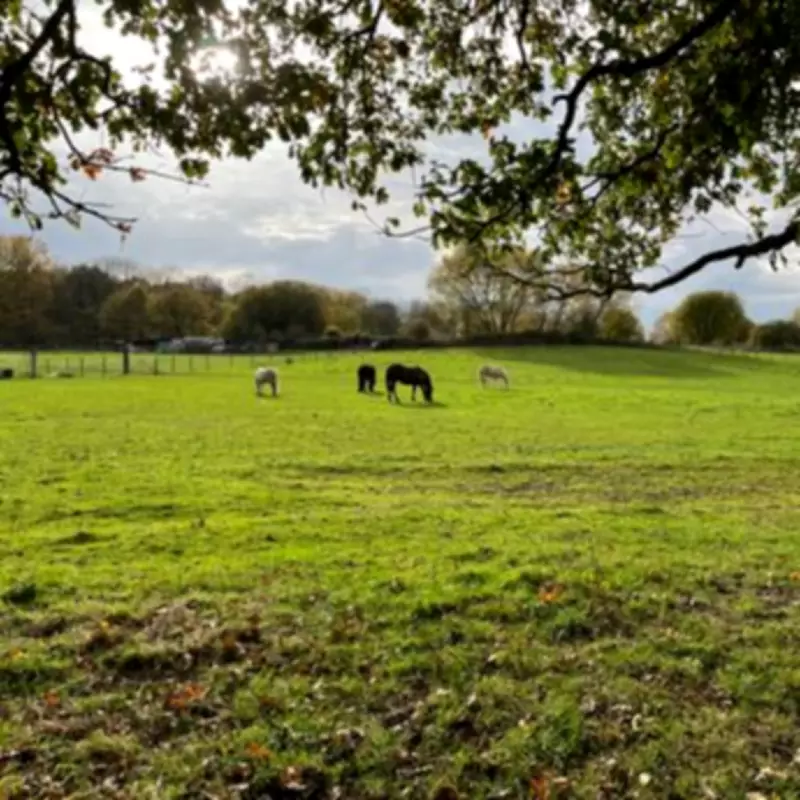
Massive Protest in Bromley Against Green Belt Housing Development
Hundreds of Bromley residents united in a powerful demonstration over the weekend, vehemently opposing plans by Berkeley Homes to construct 2,200 homes on cherished green belt land. Approximately 500 people participated in an organized walk across Bromley Common on Sunday morning, March 22, to voice their strong objections to the proposed Ravensbourne Place project surrounding Bromley Football Club and Norman Park.
Campaign Born from Love of Horses and Land
The protest was orchestrated by the campaign group Keep Bromley Green, founded last November by local horse owners Michelle Brinkley and Colleen Dunphy in direct response to Berkeley's proposal. Both women keep horses on fields at Hayes Farm within the development site, with Michelle having used the land for 40 years and Colleen for 15 years.
Their campaign began after noticing unexpected surveyors in the area and receiving correspondence from their landlord indicating that if planning permission is granted, all field users would have just three months to vacate and relocate approximately 300 horses currently grazing there.

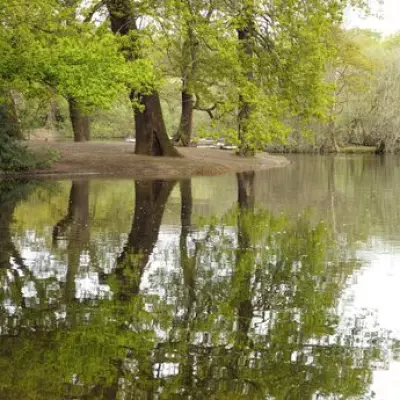
Michelle expressed her deep connection to the land, stating: "I've never thought there was a possibility that we would lose it. It's beautiful, and it's like being in the heart of Bromley but not, because you're in the countryside. That's why I love it so much."
Dire Consequences for Elderly Horses
The potential displacement poses severe risks for the horses, particularly older animals. Colleen Dunphy highlighted the grim reality that some horses might have to be euthanized due to their age and inability to adapt to new environments.
Colleen explained with evident distress: "Some of the horses here are so elderly. They are like 35 and would not be able to be rehomed. They would not be able to travel, make the journey, and they wouldn't be able to settle into a new home because they were born and raised here. So they would ultimately, sadly, be put to sleep."
Since discovering the development plans, Michelle and Colleen have mobilized the community through extensive campaigning, including distributing flyers, door-to-door conversations, and launching a petition that rapidly garnered 7,000 signatures within a week and has now surpassed 11,000 signatures.
Broader Community Concerns Beyond Equine Welfare
While horse welfare remains a primary concern for the campaign founders, broader community objections center on the loss of green belt land, anticipated traffic congestion from thousands of new residents, and increased pressure on already strained public services.
Colleen emphasized the community's passion: "People are so up in arms and so passionate because they love living here. They paid good money for those houses to have this. They don't want it changed."
The Sunday protest featured speeches from activists and politicians in the field where Colleen keeps her horses, followed by a substantial group walk through Norman Park and surrounding green spaces. Both organizers expressed astonishment at the turnout, with Michelle noting, "It went really well. We didn't anticipate how many people would support us. We were overwhelmed."
Political Support Across the Spectrum
Local politicians from various parties joined the protest, offering strong support for the campaign. Bromley and Biggin Hill MP Peter Fortune labeled the Ravensbourne Place project a "significant threat" to Bromley.
MP Fortune argued: "We are still in London, but this is a rural environment and our green belt is really important to us. The idea of coming in and just concreting over one of the lungs of London in order to hit the housing target that the Mayor has missed; I just think it is irresponsible."
Bromley Council Leader Colin Smith stressed the importance of protecting Bromley's "special" green belt, which he has personally enjoyed for 45 years. He asserted, "We've enjoyed it. It's vital that our kids and their kids get to enjoy it, and that's why everyone is showing it's worth keeping."

Developer's Response and Project Details
In response to the protest, a Berkeley spokesperson acknowledged "significant interest" in their plans and emphasized ongoing community engagement. The developer highlighted that Bromley's Housing Register lists over 3,000 households in need, and their proposal aims to deliver around 2,200 new family homes, with 50 percent designated as affordable housing.
The Ravensbourne Place project promises several community benefits, including:
- A new health center to address current and future healthcare demands
- 15 hectares (approximately 37 acres) of publicly accessible open space
- Traditional family homes, public parks, and riverside walks in an area currently largely inaccessible
- Protection for existing mature trees and hedgerows
- New habitats and green corridors to support biodiversity
- Investment in new public facilities at Norman Park
- A new GP surgery and accompanying health services in the project's first phase
The Berkeley spokesperson stated: "Ravensbourne Place is about giving families a genuine opportunity to build their future in Bromley. We know how strong the demand is for well designed, affordable family homes, and these plans respond directly to what local people told us matters most. By delivering new homes alongside a modern health centre, usable green spaces and early community infrastructure, we're creating a neighbourhood that will work from day one."
Berkeley Homes has yet to submit final plans for Ravensbourne Place to Bromley Council, continuing to gather public feedback through various online and in-person events before filing a full planning application. The development controversy highlights the ongoing tension between urgent housing needs and preservation of valued green spaces in London's suburbs.