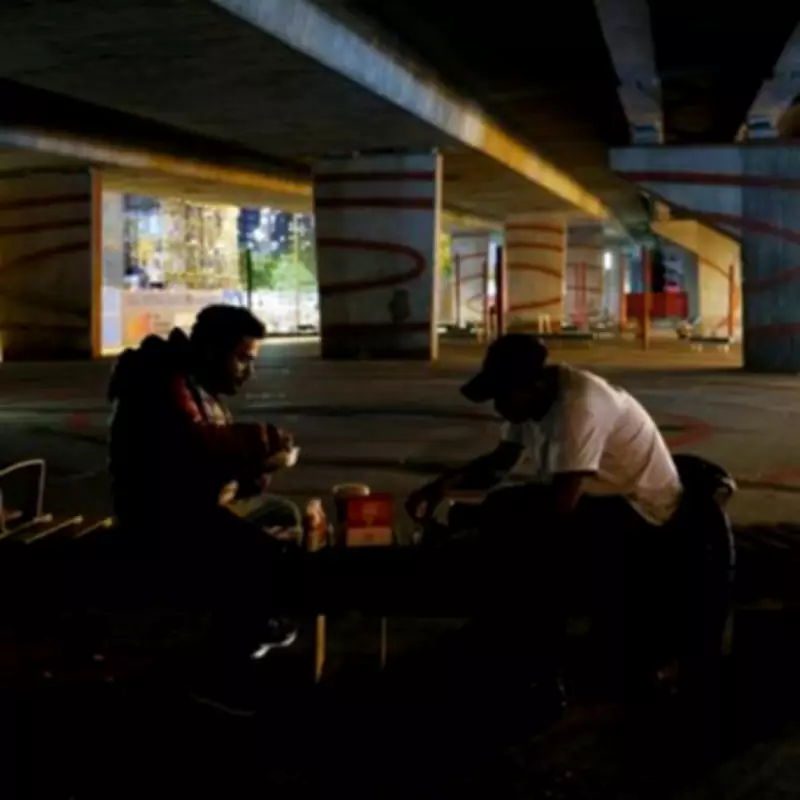
Canning Town Flyover: A Concrete Shelter for London's Homeless Crisis
Beneath the roaring traffic of the A13 in East London, Canning Town's flyover has transformed into an unlikely sanctuary for those with nowhere else to go. This massive concrete structure, acting as a giant umbrella against wind and rain, has become a magnet for rough sleepers, creating a microcosm of the national homelessness crisis right in the heart of the capital.
The Diverse Faces of Homelessness
Under this flyover, you'll find a diverse community of individuals whose stories reflect broader societal failures. Evicted refugees, rejected asylum seekers, people battling addiction, and those who've lost their way through relationship breakdowns or unemployment all share this concrete space. While most describe it as peaceful, nobody wants to call it home.
Rough sleeping in London has tripled since 2010, with recent figures showing nearly half of rough sleepers are not from the UK. The situation has created resentment on all sides: British citizens who feel overlooked, non-EU nationals who say they were deceived by traffickers, and EU nationals influenced by anti-immigration rhetoric.

Why This Particular Location?
What makes Terry Spinks Place under the A13 such a draw for London's most vulnerable? Some point to the architecture itself—a long, sloping road wide and low enough to provide shelter from miserable weather. Others note the proximity to high streets where desperate individuals might resort to petty theft.
But perhaps the most significant factor is the network of charitable organizations in the area. Churches, a friary, and historic sailor's rest facilities provide crucial support, effectively propping up a state system that spends billions on temporary accommodation. These groups offer regular food, clothing, and most importantly, hope—creating moments where diverse cultures share meals and stories, revealing both London's best qualities and the destitution that shouldn't exist in a modern society.
Months of Observation Reveal Harsh Realities
Over several months of returning to the flyover, journalists documented the progress—or lack thereof—of those living there. Many would be classified as living on the streets, a figure that reached record levels in late 2025 with an 18 percent year-on-year increase. While some individuals managed to escape temporarily, too often they returned.
For those struggling with alcohol addiction, life was particularly cruel. One Romanian man's drinking led to violence and prison. Three Polish friends lived what appeared to be a slow crawl toward death through alcohol abuse, continuing their habits even after being housed. Emerging research suggesting weight-loss medications might help with addiction offers a glimmer of hope.
Migration Stories and Systemic Failures
Among African migrants, similar patterns emerged: dangerous journeys through deserts, degrading treatment, perilous crossings by boat or lorry, followed by temporary hotel accommodations. Those granted asylum faced just 28 days to secure housing and financial stability—a timeframe charities argue directly contributes to homelessness. After trials with 56 days and reversals, support has recently been extended to 42 days, though many argue this remains insufficient.
Crack cocaine addiction proved particularly devastating. A Bangladeshi father working as a carer turned to drugs during a lonely Eid celebration, eventually sharing a tent with another addict who had served time for manslaughter. Prison had done nothing to address his substance abuse, and his mental health appeared worse than ever—a ticking time bomb in plain sight.
The Grim Reality and Unexpected Resilience
The realities documented were often ugly: a Bulgarian man dressing his own leg wounds in nearby woodland, a Nigerian stab victim working cash-in-hand security while sleeping in 24-hour restaurants, a woman claiming a fast-food manager offered food in exchange for sex, drug dealers leaving Class A substances on doorsteps to maintain addiction.

Yet amid this grimness, another side emerged—what might be called spiritual wealth. An incredible, caring community of people from across the world shared stories, hot food, and jokes. While some maintained suspicions of one another, they lived bed-to-bed like any other neighborhood street, creating moments of genuine human connection.
Political Promises and the Path Forward
London's leadership has promised to end rough sleeping by 2030, with the Mayor acknowledging that increasing numbers of new arrivals contribute to growing street populations. The government claims it can make significant progress before the end of the current parliament.
With Labour in both City Hall and Downing Street for the first time since 2008, many believe this is one challenge the government must address decisively. While there are no easy solutions, the stories from beneath Canning Town's flyover serve as powerful evidence that more can—and must—be done to address this deepening crisis.