Silvertown Residents Protest as Promised Green Space Vanishes for Tower Block
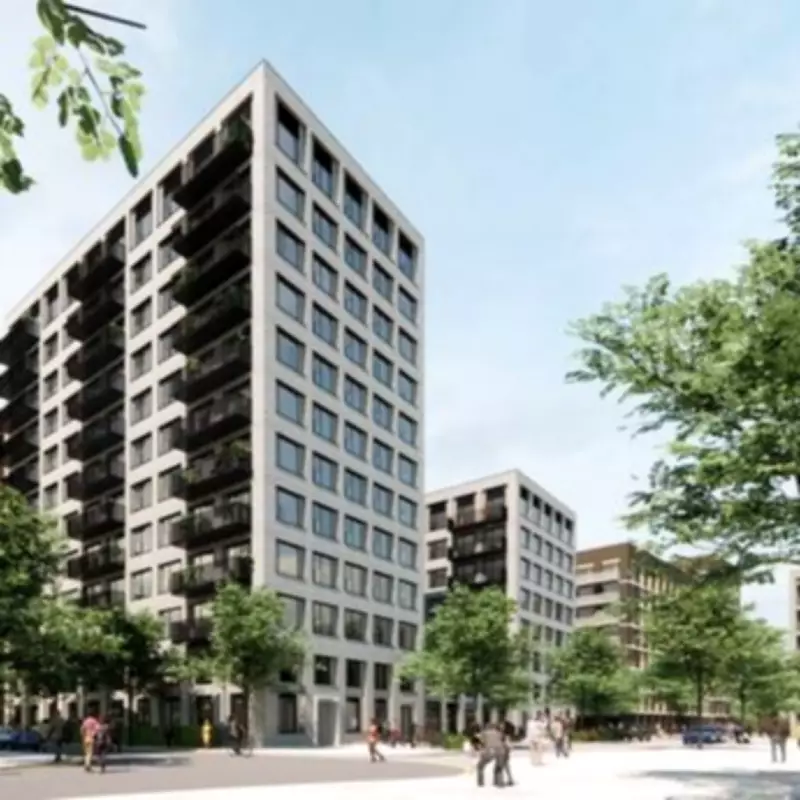
Scores of residents at the Royal Wharf development in Silvertown, Newham, have expressed fury and opposition after discovering plans to construct a twelve-storey housing block on land they believed was designated as public green space. The controversy stems from marketing materials that depicted the area as open community space, leading many to claim they were misled when purchasing their homes.
Broken Promises and Community Backlash
As many as 79 local residents have formally objected to Newham Council, arguing that developers Oxley Wharf Property and Ballymore committed to no further construction on the site at Royal Crest Avenue, opposite Royal Wharf Primary School. In outline plans approved back in 2012, however, the land was earmarked for housing, creating a stark contradiction with later sales pitches.
One resident's objection letter highlighted the core issue: "The fundamental issue is one of broken trust and misrepresentation. This development was sold to residents as complete, with explicit commitments that the remaining land would serve the community as public green space." Another emphasized the necessity of green areas, stating: "Given the high density of housing and limited open areas, such green provision is both appropriate and necessary for the wellbeing of the community."

Developer Response and Planning Framework
Developers have attributed the confusion to "an historic marketing brochure" that "did not accurately represent" the consented masterplan from 2012. In an email to the Royal Wharf Residents' Association chair, Ballymore acknowledged contradictory public information but denied intent to mislead, noting the brochure was titled 'illustrative masterplan'.
Council planning officers, in their report, recommend approval of the new building, stressing that marketing material cannot influence planning decisions. The report clarifies: "Marketing or sales information sits outside the planning framework, as it is illustrative or commercial material and does not inform the planning assessment." Decisions must rely solely on submitted planning applications.
Environmental and Amenity Concerns
Officials acknowledge the proposed block would reduce daylight and sunlight for neighbouring properties and the primary school, but deem this impact acceptable within an urban context. The report states: "These impacts, however, are not considered to be unacceptable when assessed against the site's established urban context." Despite this, residents argue the loss of green space and increased density threaten community wellbeing.
The strategic development committee is set to vote on the plans, with councillors urged to disregard the marketing controversy and focus on the 2012 outline. This case underscores ongoing tensions between urban development promises and the reality of high-density housing in East London.