South London Residents Fear 'Nightmare' Over 16-Storey Gasworks Redevelopment
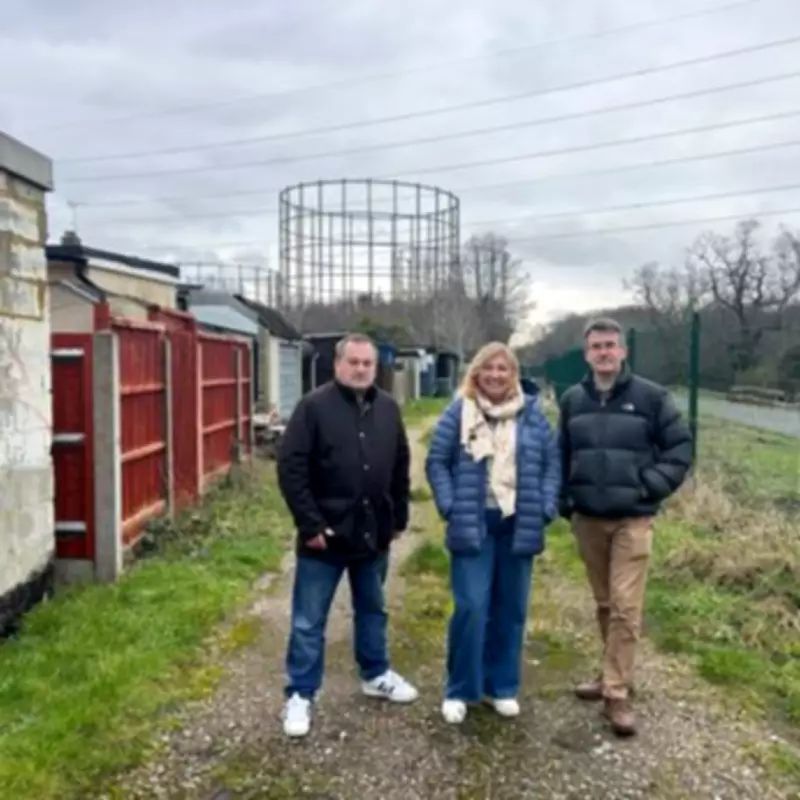
Residents in South London are voicing major concerns over plans to demolish three historic gasholders in Motspur Park and replace them with five apartment blocks reaching up to 16 storeys tall. The proposed development, a joint venture between gas firm SGN and developer Berkeley Homes, would deliver 586 new homes, including 175 affordable units, but has sparked fierce opposition from locals who fear it will overwhelm the Zone 4 area.
Controversial Plans for Protected Land
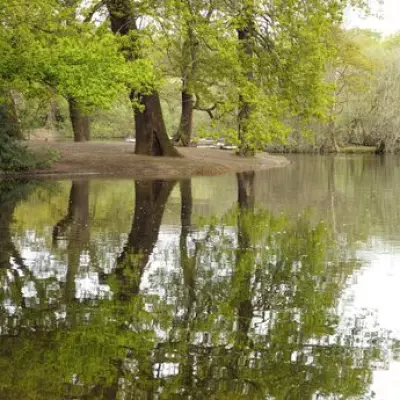
The site, which has been redundant since 2007, is designated as Metropolitan Open Land (MOL), a status meant to protect it from inappropriate development. Neighbours argue that approving the scheme would set a dangerous precedent, allowing major construction on protected green space. They also highlight threats to local wildlife, including peregrine falcons, bats, newts, and slow worms, with some alleging that biodiversity baselines in planning documents were taken after trees were cleared in 2022 to justify the project.
Kirstie Wilkins, a resident living next to the site, told the Local Democracy Reporting Service that the area is already congested, particularly along Green Lane, and that existing infrastructure is overstretched. She expressed worries about contaminated land being dug up during construction, claiming that application documents lack information on how this would be managed safely. "The density of the build is just too much for the area," she said. "Infrastructure isn’t going to cope, just getting about isn’t going to cope. It’s going to be a nightmare."

Infrastructure and Privacy Concerns
Barry Magee, another neighbour, pointed out that the area has a public transport accessibility level (PTAL) rating of zero to one, making it unsuitable for such a large development. He criticized the proposal for only 89 car parking spaces as unrealistically low for Zone 4, predicting overspill parking on already congested streets. Magee also raised privacy issues, noting that a new access road would allow people to look directly into bathrooms and children's bedrooms of existing homes.
In his letter to Kingston Council, Magee wrote, "The additional vehicle movements generated by the development will further strain local road capacity, leading to delays and increased safety risks for both drivers and pedestrians." He added that while there is a housing shortfall, relying too heavily on one site to correct it is inappropriate.
Developer's Response and Community Benefits
A Berkeley spokesperson defended the plans, stating that the site would be opened up for community use for the first time in over a century, aligning with the original purpose of MOL. The spokesperson emphasized the delivery of new homes to tackle England's housing crisis, along with job opportunities and public spaces set within woodlands. The scheme includes plans to regrade, replant, and rewild Beverley Brook, plant over 200 new trees, and achieve a biodiversity net gain of over 25%.
Sustainable features such as innovative drainage systems to reduce runoff by 50% and investments in local infrastructure, including a £400,000 contribution to Sir Joseph Hood Memorial Playing Fields, were also highlighted. The spokesperson added that socioeconomic assessments indicate local schools and GP practices can accommodate the development's needs, with further contributions available for upgrades.
Broader Implications and Decision Timeline
Terry Paton, a nearby resident, expressed concerns about the consultation process, suggesting it was designed to limit genuine feedback. He also worried that Kingston's inability to demonstrate a five-year housing supply might unfairly tilt planning decisions in favor of the development. "Whilst I appreciate the need for homes, this whole development is out of character for this suburban area," Paton said. "The sheer scale and density should be a reason to turn this scheme down."
Identical planning applications have been submitted to Kingston and Merton councils, as the site spans both boroughs, though most of it lies in Kingston. Residents can still comment on the plans via Kingston's website, with both councils set to make decisions in due course. The outcome could significantly impact future developments on protected land in South London.