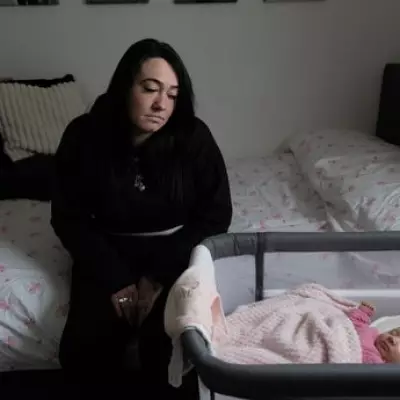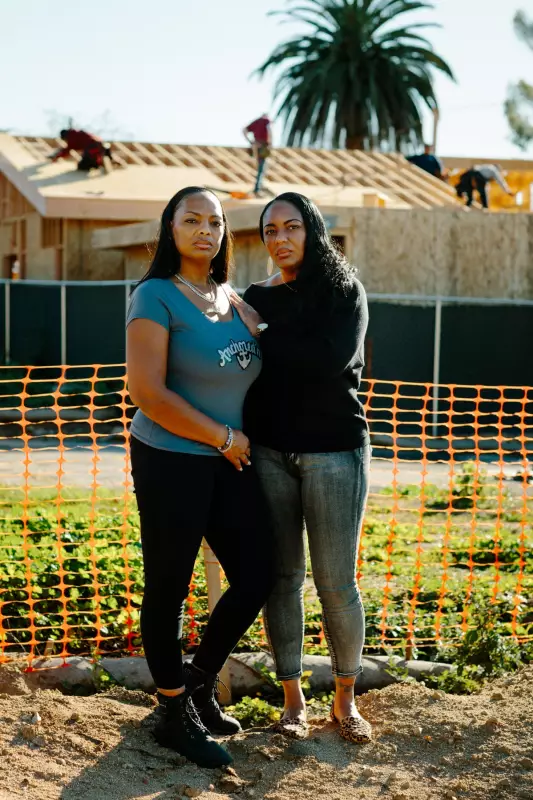
Standing on the bare plot where her home of 22 years once stood, Ellen Williams surveys the changed landscape of her Altadena neighbourhood. Behind her, the sound of hammers echoes as a construction crew works on a new build. Around her, 'Altadena is not for sale' signs stand as silent sentinels against a relentless intrusion. A year after the catastrophic Eaton wildfire, this historic Black community in Los Angeles County is battling a new threat: aggressive real estate investors and a phenomenon experts term 'climate gentrification'.
The Immediate Aftermath: Dollar Signs in the Ashes
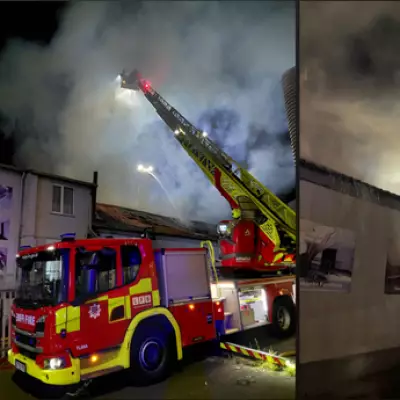
The Eaton fire, which claimed 19 lives and destroyed approximately 9,500 buildings, left a scar across the community. For Ellen Williams's family, the loss was profound: four homes reduced to rubble. The trauma of the blaze, which she watched light palm trees 'like matchsticks', was swiftly compounded by a more calculated assault. Just two days after her home burned, she received the first call from a property investor. The caller knew her full name and was eager to make an offer on her now-vacant lot.
"Immediately people saw dollar signs," Williams states, noting the calls have never truly stopped. This pattern has repeated across Altadena, where a recent survey found investors have bought up nearly half of the empty lots sold after the fire. With land cleared by flames, they see an opportunity to build in an urban area where space is scarce, often targeting residents drowning in financial strain.

A Legacy of Discrimination Meets Climate Crisis
The vulnerability of Altadena's Black community is not accidental but rooted in historical housing discrimination. In the mid-20th century, redlining policies prevented Black families from buying homes east of Lake Avenue, pushing them west towards the fire-prone foothills of the San Gabriel mountains. Professor Eric Avila, an urban cultural historian at UCLA, notes that on historic maps, this area was marked in yellow, or "definitely declining", deemed high-risk for lenders.
Decades later, climate change has intensified the wildfire risk, and the historical injustice has had devastating consequences. A UCLA report found that 61% of Black households in Altadena were located inside the Eaton fire perimeter, compared to 50% of non-Black households. Furthermore, 48% of Black homes were destroyed or severely damaged, versus 37% for non-Black homes. "The tragedy is that Altadena reflected an opportunity for a group of people that have experienced high rates of discrimination," Avila explains.
The Crushing Financial Barriers to Coming Home
For survivors, the dream of rebuilding is crumbling under financial pressure. Insurance has become a critical point of failure. One survey of nearly 2,000 people found that 70% of insured survivors have faced delayed, denied, or underpaid claims. Only one in four with severe damage has had their claim fully approved.
Ellen Williams's mother, a homeowner for over 50 years, was catastrophically underinsured after State Farm cancelled her policy before the fire without direct notification. The resulting payout gap is staggering. Researcher Gabriella Carmona estimates that for the underinsured, the shortfall to rebuild could be "in the $300,000 or $400,000 range". Federal aid and loans are difficult to access, leaving many in a precarious limbo.
This economic precarity is forcing painful decisions. Troy Laster, who lost his home of 40 years, sold his property to a development company that bought multiple lots on his block. Between trauma, toxic soil, and the daunting cost of paying both rent and a mortgage during rebuilding, he and his wife moved to Las Vegas. "I know, in my heart, the city will never be the same," he says of Altadena.
Fighting for a Future and a Legacy
In the face of this, community resolve is hardening. Non-profits like Neighborhood Housing Services of Los Angeles County are providing crucial financial advice and support. For Ellen Williams and her sister Eshele, there is a determined plan to return. With help, Ellen has submitted plans for a new home, while a prefabricated house will be placed on their mother's land. Eshele, a former renter without insurance, was able to buy her lot with assistance and is also rebuilding.

Jasmin Shupper of the Greenline Housing Foundation, which supports survivors, emphasises what is truly at stake: "It's more than just homes, you're talking about legacies... people who, in the face of overwhelming opposition, were able to obtain home ownership and have thriving communities."
As Ellen Williams looks at the orange plastic fence marking her property line, her focus is on the future and the neighbours she sees returning. The fight in Altadena is a stark microcosm of a global pattern, where climate disasters do not hit equally and can become the engine for displacing the most vulnerable. The community's struggle is not just to rebuild houses, but to defend a hard-won sanctuary from being erased twice over—first by fire, and now by financial force.