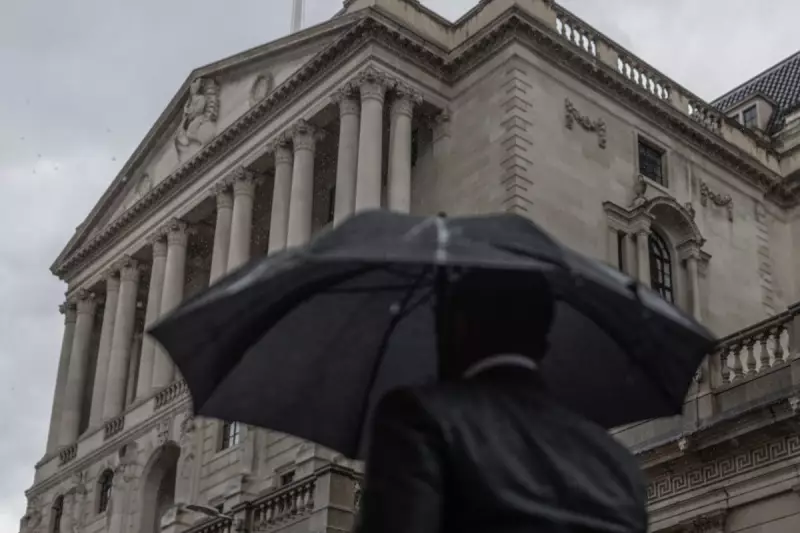
The Bank of England has decided to hold the base interest rate at four per cent, a move that will have immediate consequences for households across the UK. Announced on Thursday, 6th November 2025, the decision dashes hopes for an immediate rate cut and places the focus squarely on the upcoming Autumn Budget.
Governor Andrew Bailey, who cast the deciding vote, stated he would "prefer to wait" before backing further reductions. The Bank’s Monetary Policy Committee was deeply divided, with a narrow 5-4 vote in favour of maintaining the current rate. This pause comes amid concerns over persistent inflation, which has been creeping up since May.
Mixed Fortunes for Borrowers and Savers
The implications of this decision are a tale of two cities for UK finances. Borrowers, particularly those with large mortgages or significant personal debt, will continue to feel the strain of elevated repayments. Those hoping to secure new, cheaper loans will have to wait a while longer.

Alice Haine, a personal finance analyst at Bestinvest, commented on the challenging backdrop: "The decision to pause came despite sluggish economic growth, weak productivity, rising unemployment levels and the looming prospect of a tax-raising autumn Budget." She added that policymakers are prioritising the fight against inflation, a consequence of increased employer costs from the last Budget.
Mortgage Holders Face a Reality Check
Homeowners are among the most affected. Many who secured ultra-low fixed-rate deals in late 2020 or 2021 are now seeing those terms expire. These households now face a sharp adjustment as they are forced to remortgage at significantly higher rates.
Haine advised that anyone coming off a low-rate deal "would be wise to lock in a new product quickly" rather than gamble on future rate cuts, especially with market volatility expected around the Budget. Rumours of a potential mansion tax on properties valued over £2 million have also caused anxiety at the top end of the market.
However, there is a silver lining for the broader housing market. Estate agent Savills predicts the decision is unlikely to cause major disruption at the lower end. Frances McDonald, Research Director at Savills, stated: "Our latest forecast predicts that UK average house prices are set to rise by 22.2 per cent by 2030." This optimism is based on relaxed mortgage rules and a stronger economic outlook beyond 2026.
A Temporary Reprieve for Savers and Pensions
For cash savers, the rate hold offers a brief window of opportunity. Savings rates will remain elevated for now, providing better returns. Sally Conway, a savings expert at Shawbrook Bank, warned against complacency: "Savers will be relieved that the predicted cut in interest rates hasn’t materialised this month... There are still competitive savings rates on the market and savers need to take advantage before any further cuts occur."
Yet, with inflation remaining sticky, the real value of cash savings continues to be eroded over time. Furthermore, rumours are growing that the government may slash the ISA allowance to £10,000 to encourage stock market investment. For those who are risk-averse, increasing pension contributions presents a compelling alternative, offering tax relief and protection from capital gains tax.