King's Cross Estate Unveils Revised Masterplan for St Pancras Hospital Site
Developers have announced an updated masterplan for the St Pancras Hospital site in King's Cross, set to be unveiled this week. The new scheme replaces a previous design due to changing market conditions since discussions began three years ago.
Key Changes in the Updated Development Plan
The revised plan includes significant modifications: housing units will increase from 110 to 180, with 40 percent designated as affordable housing. Public space layouts have been tweaked, and a proposed 21-storey life sciences block has been redesigned for office use instead.
King's Cross Group CEO Leo Shapland stated that the masterplan will now enter a consultation phase. "Our plans have evolved," he explained. "We need to assess what works logistically, financially, and what is best for the borough."

Preserving Heritage and Boosting Local Economy
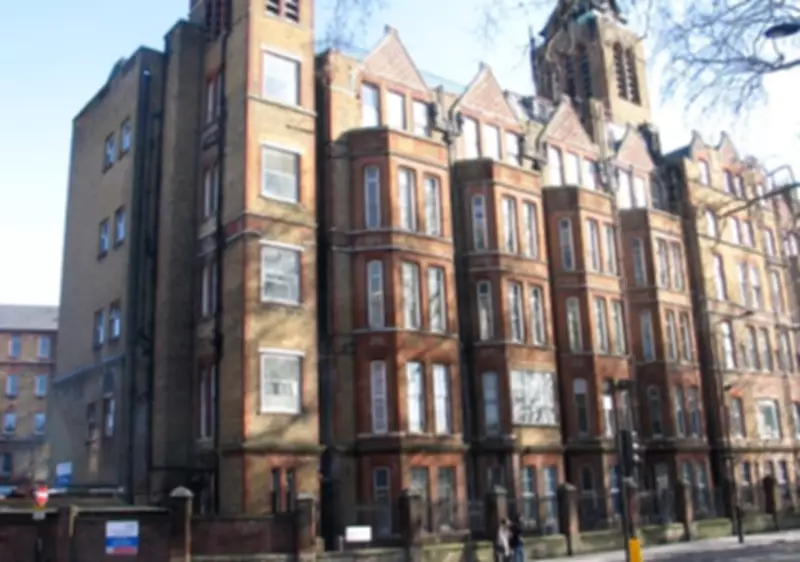
The project, estimated to cost hundreds of millions of pounds, aims to create approximately 4,000 jobs. Mr. Shapland emphasized the importance of retaining and reusing the main Victorian blocks for small and medium-sized businesses.
"We know it is better to retain and re-use older buildings," he said. "Our task has been to consider how we can preserve the heritage." He noted that the King's Cross estate has attracted a plethora of small- and medium-sized enterprises, not just major tenants like Google, Meta, Sony, and Universal.
Addressing Community and Environmental Concerns
The updated plan also focuses on making the site more open and accessible. Improvements include better through-routes to Camley Street and the Regent's Canal, linking the site to Granary Square and Coal Drops Yard. The public realm area will be approximately the size of 24 tennis courts.
Mr. Shapland addressed concerns about the 21-storey tower, which critics argued would be overbearing and cause light pollution. While the height remains unchanged, the building will now be marketed for office use. Architects AHMM are redesigning it with a tweaked footprint to make it more visually interesting.
Healthcare Services and Infrastructure Upgrades
NLFT's Philip Britt highlighted that the updated scheme will provide enhanced healthcare services. The south wing will be restored for NHS use, including in-patient beds, mental health services, and veteran care facilities.
"The infrastructure needs to be replaced and separated from the rest of the site," Mr. Britt explained. "It requires reconfiguration internally, with external improvements such as window replacements and brickwork repairs."
Heritage Considerations and Future Outlook
Two smaller heritage buildings are slated for demolition, but Mr. Shapland expressed hope that a buyer might relocate them brick by brick. He remains cautiously optimistic about the development's impact.
"Developing commercial space is good for business and good for the borough," he concluded. The project aims to balance modern needs with historical preservation, fostering economic growth while maintaining the site's unique character.