Central London Office Demand Soars as Fringe Areas Face Record Vacancies
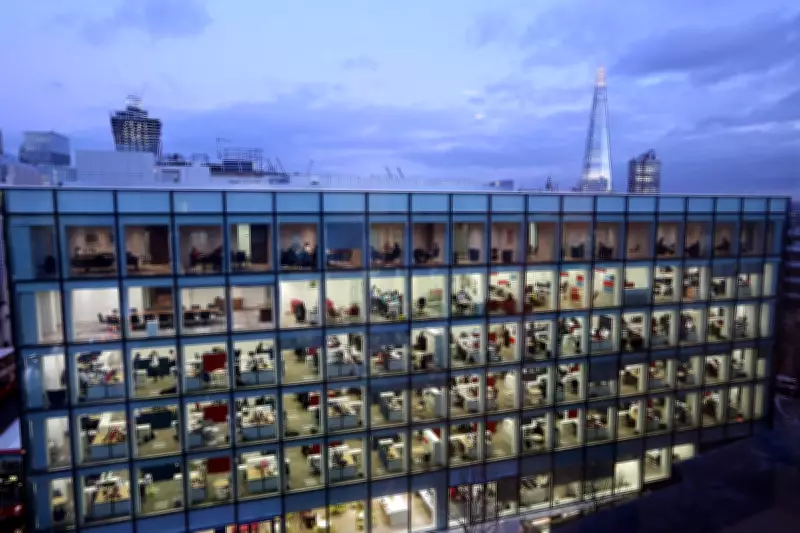
Demand for central London office space is experiencing a dramatic surge, while vacant buildings continue to accumulate on the capital's fringes. According to exclusive data shared with City AM, the vacancy rate for central London offices has fallen to its lowest level in this decade, a clear indicator of robust demand.
Occupiers are aggressively targeting prime locations such as the City and the West End, driving this trend. The vanishingly low availability of spare office space in central London is forcing companies to pay exceptionally high rents, yet this has paradoxically fueled even greater demand, presenting excellent news for developers and investors in the core market.
A Widening Gulf in Vacancy Rates
Real estate information firm CoStar reports that the vacancy rate for central London offices has now dropped to 11.5 percent. In stark contrast, the proportion of vacant office space in fringe London areas has climbed to 37 percent. This disparity leaves the gulf between central and fringe vacancy rates at its widest point in this decade, exceeding 2,500 basis points.

This represents a significant reversal from 2020, when there were more vacant offices in outer London than in the city's core. The trend began shifting in 2023, when vacancy rates in both areas were equal, and has since accelerated dramatically in favor of central locations.
Prime Locations and Market Drivers
CoStar identifies the north and east of the Square Mile, along with prestigious districts like Mayfair and Marylebone, as the most in-demand areas within central London. Patrick Scanlon, senior director of analytics at CoStar, explained the underlying factors to City AM.
"The falling vacancy rates for Central London offices suggest that demand for space has strengthened since the pandemic," Scanlon stated. "Occupiers are focused on securing their preferred options in Central London, in locations where they can find the best connectivity and amenity."
The revival of the Docklands area was a key contributor to the resurgence of central London's office landscape last year. This resurgence was marked by major leasing deals signed for prominent firms including Visa and HSBC, signaling strong corporate confidence in the core market.
Struggling Fringe Areas and Growth Concerns
Conversely, CoStar found that areas such as Hammersmith, the outer edge of London's East End, and Hounslow are among the worst-performing locations for office space in the capital. This highlights a clear geographic divide in the commercial property market.
While London leads the global race for direct investment, the UK's largest developers have issued warnings. They caution that plummeting vacancy rates in central London could mean the capital risks running out of available high-quality office space. The London Property Alliance (LPA) recently called for the government to designate offices in the capital as critical economic infrastructure, expressing fears that a lack of space could "constrain" future growth.
Alexander Jan, chief economic adviser at the LPA, emphasized this point to City AM. "If London is to turn its global investment lead into jobs and growth, it needs a sustained pipeline of high quality office space in the West End. Without that, the capital risks constraining its own success."
Adding to the pressure, the cost of constructing skyscrapers in London has soared by 40 percent over the past five years, according to professional services firm Turner & Townsend. This escalating cost further complicates the challenge of expanding the pipeline of new, premium office space in the most sought-after central districts.