Kingston Council Rejects Major Gasworks Redevelopment Amid Height and Density Concerns
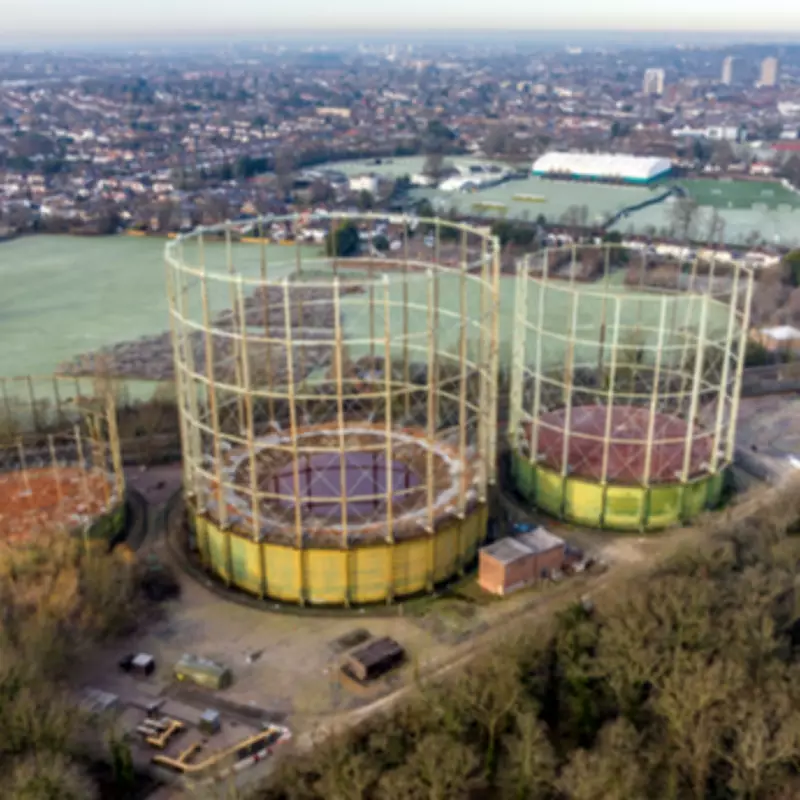
Controversial plans to transform three redundant South London gasholders into a substantial residential development have been decisively rejected by Kingston Council. The proposal, which would have seen the demolition of historic structures in Motspur Park to make way for five apartment blocks containing 586 homes, has sparked intense local opposition and raised significant planning policy questions.
Development Details and Local Opposition
The scheme, jointly proposed by gas infrastructure company SGN and developer Berkeley Homes, envisioned towers ranging from eight to sixteen storeys in height. Of the 586 proposed units, 175 were designated as affordable housing. However, residents argued vehemently that the development would be excessively dense for an area with limited public transport access and inadequate existing infrastructure.
Local objectors presented compelling arguments during the planning committee meeting, highlighting concerns about visual intrusion, loss of openness, and strain on local services. One resident criticized the application documents for containing "poor modelling, selective assumptions and downward adjustment of numbers that significantly understate the true impact of this scheme." Another emphasized that the proposed height contravened emerging local policies, noting that Kingston's tall buildings strategy only identifies specific areas as suitable for structures up to ten storeys.

Metropolitan Open Land Protection
The site's designation as Metropolitan Open Land proved crucial to the council's decision. This special protection status is intended to safeguard green spaces from inappropriate development. Despite planning officers recommending approval, committee members concluded that the scheme's mass, height, and scale would harm the openness of this protected land and disrupt the area's established character.
Liberal Democrat councillor Roger Hayes expressed frustration with national planning policies, stating: "We have a very, I think, long and rich and proud tradition in Kingston of taking people with us and we don't do that by telling them what's best for them, and we don't do that by hiding behind bad planning policy, and I'm afraid this government is forcing bad planning policy on us."
Developer's Perspective and Housing Crisis Context
Rob Packham, land director at Berkeley Homes, defended the proposal as addressing Kingston's acute housing shortage. He noted that the borough cannot demonstrate a five-year housing supply and argued that the development would transform "a redundant, closed-off site into an exceptional new neighbourhood." The developer emphasized environmental benefits including 200 new trees and a biodiversity net gain exceeding twenty-five percent.
Packham further contended that independent experts, including Kingston design officers and Greater London Authority representatives, had rigorously tested the scheme and found it acceptable. He highlighted proposed improvements to community connectivity, including new links to nearby train stations.
Historical Context and Future Prospects
The three gasholders, constructed between 1924 and 1954, have stood redundant since 2007 after being decommissioned by energy regulator Ofgem in 2012. While the site represents previously developed brownfield land, its protected status created significant planning hurdles.
The application's future remains uncertain on multiple fronts. Merton Council has yet to decide on an identical application for the portion of the site within its boundaries. More significantly, the Greater London Authority may choose to call in the application, potentially allowing Mayor Sadiq Khan to override Kingston's refusal. Alternatively, the developers could appeal directly to the Planning Inspectorate.

This decision highlights the ongoing tension between addressing London's housing crisis and preserving local character and protected green spaces. As Independent councillor James Giles asserted during the meeting: "I'm quite clear that we as a committee do, as Councillor Hayes said, stick our head above the parapet and say this development, this scheme, is not good enough for Motspur Park." The coming months will determine whether this local stance withstands regional housing pressures.