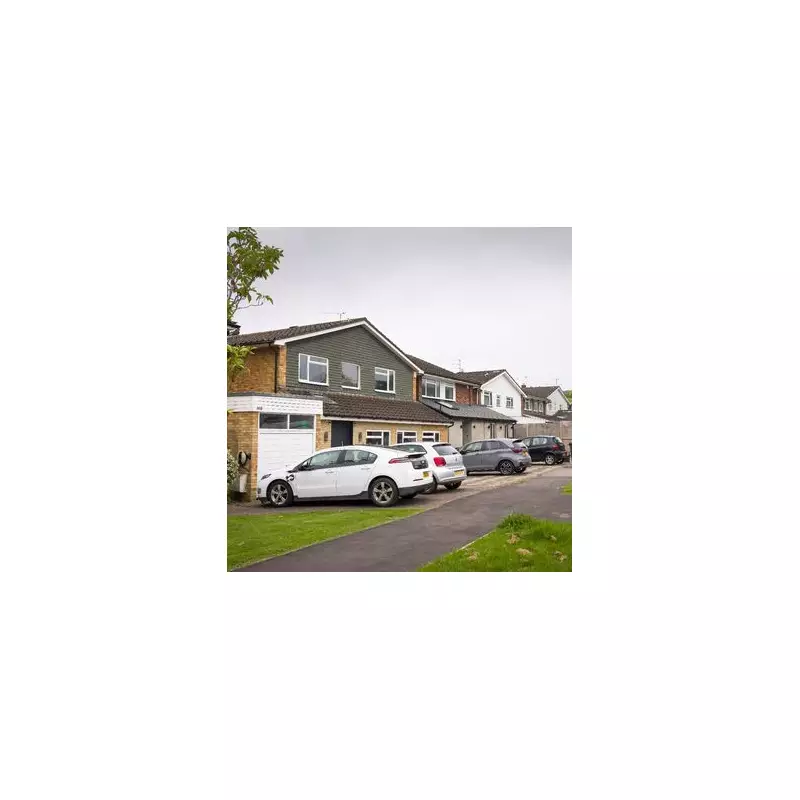
New Driveway EV Charger Rules Explained: How Homeowners Could Save £1,100 Annually
Recent changes to planning regulations have simplified the process for homeowners to install electric vehicle (EV) chargepoints on their driveways, potentially leading to significant annual savings. The new rules, implemented last summer under the current government, remove the requirement for householder planning permission in many cases, making it easier for motorists to transition to electric vehicles.
Simplified Installation Process
Previously, homeowners were required to apply for formal planning permission to fit an EV charger on their own driveway. This bureaucratic hurdle often discouraged individuals from making the switch to electric vehicles. However, under the revised regulations, homeowners can now install a single wall-mounted or pedestal EV charger on their drives without needing to seek permission from local authorities.
The government asserts that by easing these planning rules and simplifying the installation process, more motorists who have been hesitant about transitioning from petrol and diesel cars will be encouraged to make the change. This move is part of broader efforts to promote sustainable transport options and reduce carbon emissions across the country.

Potential Financial Benefits
Officials have highlighted that this new driveway rule could lead to annual savings of up to £1,100 compared to operating traditional combustion petrol and diesel vehicles. These savings come from reduced fuel costs and lower maintenance expenses associated with electric vehicles, making the financial case for EV ownership more compelling than ever.
To qualify under the new regulations, chargers must meet specific requirements. They must not exceed 0.2 cubic metres in size and must be situated at least two metres away from the public highway. These limitations are designed to ensure that installations remain unobtrusive and safe for both homeowners and the general public.
Important Limitations and Considerations
Despite the simplified rules, certain restrictions and potential challenges remain in place. Leasehold property owners may encounter resistance from freeholders who can limit alterations to properties. Some new-build housing estates have rules in their title deeds that could restrict changes to the exterior of homes, including the installation of charging points.
Additionally, homeowners who share a driveway with neighbours could potentially face difficulties and the possibility of legal disputes. It's crucial for residents in such situations to communicate clearly with neighbours and seek legal advice if necessary before proceeding with installation.
The government's initiative represents a significant step toward making electric vehicle ownership more accessible and affordable for UK households. As more drivers consider the switch to EVs, understanding these new rules and their implications becomes increasingly important for homeowners across the country.