High Court Judge Exclaims Smart Glasses Used to Cheat During Testimony in London
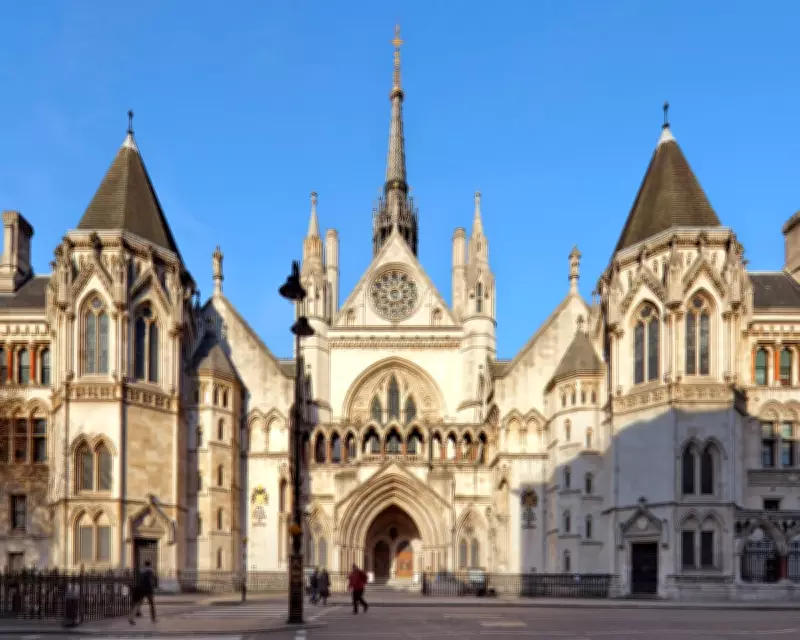
In a stunning development at the Royal Courts of Justice in London, a high court judge has uncovered that a claimant was being fed answers through his smart glasses while giving evidence. The insolvency judge, Raquel Agnello KC, ruled that Laimonas Jakštys was "untruthful in denying his use of the smart glasses" and that his witness statements "were clearly prepared by others." This case marks a significant moment in legal proceedings, highlighting the potential for technological misuse in courtrooms.
Details of the Deception Unfold in Court
During Jakštys's testimony in a case brought by himself and the Lithuanian company UAB Business Enterprise against the Insolvency and Companies List, defense counsel Sarah Walker noticed irregularities. As first reported by Legal Futures, Walker informed the judge that she could hear interference, which was confirmed by Jakštys's interpreter. Judge Agnello then directed Jakštys to remove his glasses, revealing the smart technology.
In her judgment, Agnello described the scene: "It was later ascertained that Mr Jakštys was wearing smart glasses. I asked him to remove them before continuing with his cross-examination. After a few further questions, when the interpreter was in the process of translating a question, Mr Jakštys's mobile phone started broadcasting out loud with the voice of someone talking." She added that it was clear someone was communicating with Jakštys via his mobile phone, which was connected to the smart glasses.

Judge Rejects Evidence and Finds for Defendants
Judge Agnello dismissed Jakštys's explanation that he thought it was ChatGPT causing the voice, stating it "lacks any credibility." She concluded that Jakštys was being coached during his cross-examination, likely by Lithuanian lawyer Dr. Paulius Miliauskas, who was watching the hearing via video link until it was terminated. Agnello noted that once the smart glasses were removed, Jakštys frequently played for time, indicating he did not know how to respond without assistance.
In her ruling, Agnello rejected Jakštys's evidence "in its entirety" and found in favor of the defendants. She emphasized that this deception rendered his testimony unreliable and untruthful, setting a precedent for how courts may handle similar technological interference in the future.
Implications for Legal Practice and Technology
This incident raises important questions about the role of technology in legal proceedings. Defense counsel Sarah Walker commented to Legal Futures: "This was a career first for me but, with technological advances, may well be something that litigators have to deal with much more frequently in the coming years." The case underscores the need for vigilance and potential new protocols to prevent such cheating in courtrooms, as smart devices become more integrated into daily life.
The ruling at the Royal Courts of Justice serves as a cautionary tale, highlighting the challenges that modern technology poses to the integrity of judicial processes. It may prompt discussions among legal professionals about updating rules and safeguards to maintain fairness and transparency in trials.