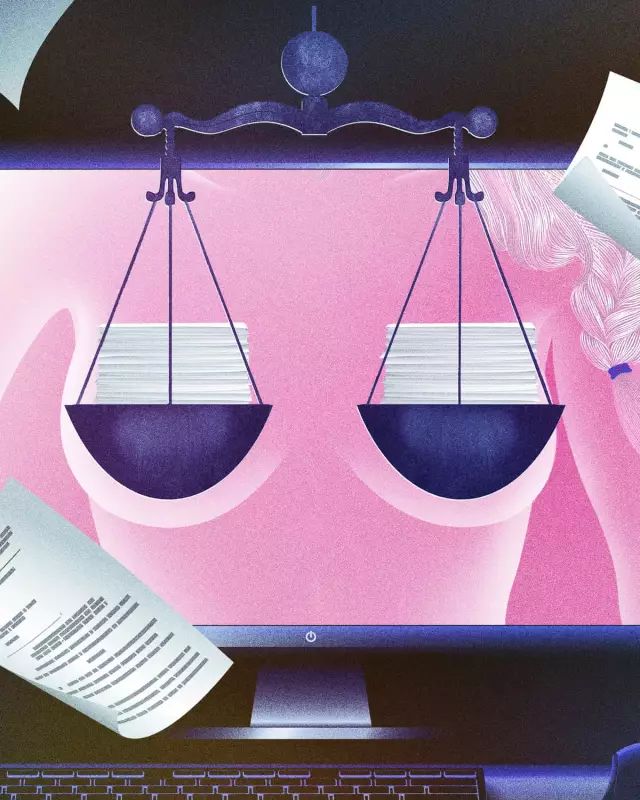
Across Britain, an alarming legal phenomenon is catching thousands of internet users in its net. Dubbed the 'Strike 3' lawsuits, this aggressive copyright enforcement campaign is turning ordinary households into legal battlegrounds.
The scheme operates through a web of copyright claims against users who allegedly downloaded adult films without permission. Law firms are filing thousands of claims simultaneously, creating what legal experts describe as an 'industrial-scale' litigation machine.
The Mechanics of Mass Litigation
Here's how the process works: copyright enforcement firms monitor peer-to-peer networks and file sharing activity. They identify IP addresses associated with downloaded content, then obtain court orders requiring internet service providers to reveal the account holders' details.

What makes these cases particularly controversial is the settlement-first approach. Rather than proceeding directly to court, rights holders typically send intimidating letters demanding immediate payment - often thousands of pounds - to avoid full legal proceedings.
The Human Cost
For those caught in this legal web, the experience can be devastating. Many recipients report feeling shocked and embarrassed upon receiving legal documents concerning adult content. The financial demands create significant stress, with some facing demands equivalent to several months' rent or mortgage payments.
Legal aid organisations report increasing numbers of people seeking help, often from demographics who can least afford unexpected legal bills. The psychological impact of these mass claims cannot be overstated, with many feeling trapped between paying demands they can't verify or facing costly court battles.
Legal Ethics Under Scrutiny
The legal profession itself is facing questions about its role in these mass claims. Some critics argue that the business model relies more on intimidation than genuine copyright protection, exploiting the embarrassment factor to secure quick settlements.
Several legal reform groups are calling for greater judicial oversight of bulk claims and clearer guidelines about what constitutes reasonable evidence in these cases. There are also concerns about the proportionality of demands compared to actual damages.
Protecting Yourself Online
While the legal landscape evolves, digital rights experts recommend several protective measures:
- Ensure your home Wi-Fi is securely password protected
- Use VPN services for additional privacy protection
- Be cautious about file-sharing software and sites
- Seek legal advice immediately if you receive a copyright claim letter
- Remember that settlement demands are negotiable
As this legal battle continues to unfold across the UK, it raises fundamental questions about digital privacy, copyright enforcement, and the balance between protecting intellectual property and preventing legal exploitation.