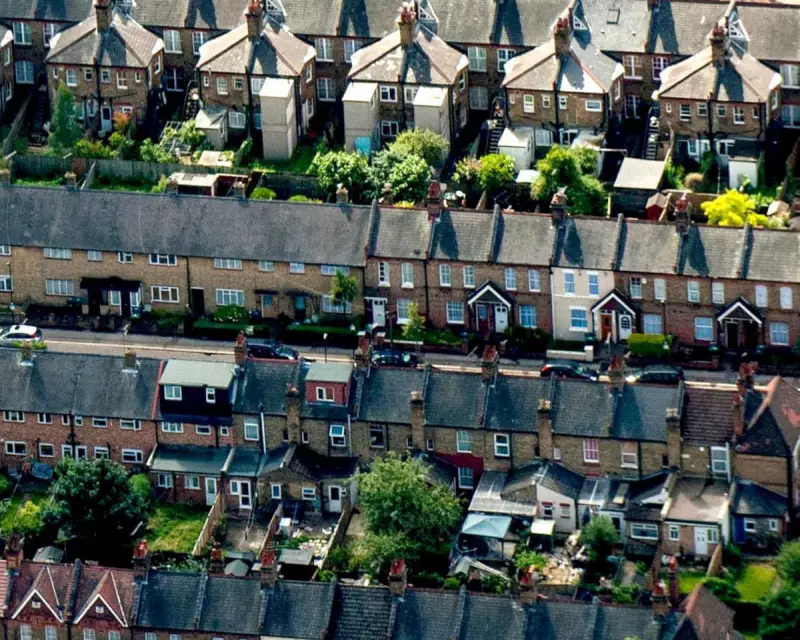
Renters' rights organisations across the United Kingdom have expressed profound anger and frustration following the government's decision to delay the implementation of the Decent Homes Standard for private rented properties until 2035. This postponement means that landlords will have nearly a decade to ensure their properties meet basic habitation requirements, a timeline that campaigners have labelled as "absurd" and detrimental to millions of tenants.
Campaigners Condemn "Absurd" Timeline
The government had previously pledged to introduce robust standards to address widespread issues such as disrepair, damp, and energy inefficiency in the private rental sector. However, the announcement of the 2035 deadline has been met with fierce criticism. Ben Twomey, the chief executive of Generation Rent, voiced strong opposition, stating that allowing landlords to delay improvements for an entire decade effectively denies renters the most fundamental living standards.
Twomey emphasised that homes serve as the foundation of daily life, yet countless renters are forced to reside in properties that are deteriorating and pose significant health risks. He highlighted the irony of soaring rental costs juxtaposed with substandard living conditions, describing it as terrible value for money. The campaign group had advocated for a more urgent implementation deadline of 2030, arguing that the extended timeline will trap millions, including children, in poor-quality homes without recourse.

Statistical Evidence of Substandard Housing
Supporting these concerns, data from the English Housing Survey for 2020-21 reveals that 21% of privately rented homes in England fail to meet the Decent Homes Standard. Alarmingly, 12% of these properties contain a category 1 hazard, indicating a serious and immediate safety risk to occupants. Further analysis by the Health Foundation corroborates these findings, noting that one in five private rented homes is classified as "non-decent." This classification encompasses homes with hazards threatening health, those in a state of disrepair, or properties lacking adequate insulation and heating.
Historical Context and Government Justification
While the private rented sector has historically operated without a formal Decent Homes Standard, the social rented sector saw its introduction in 2001, with an enforcement deadline set for 2010. Some local authorities were granted extensions beyond this date. Housing Minister Matthew Pennycook has defended the 2035 timeline, asserting that it broadly aligns with the nine-year implementation period initially applied to the social rented sector. This standard is a key component of the forthcoming Renters' Rights Act, aimed at overhauling tenant protections.
Despite reiterating its commitment to establishing a new Decent Homes Standard, the government's decision to defer enforcement has ignited a heated debate. Renters' rights groups argue that the delay undermines efforts to combat the housing crisis and fails to prioritise the well-being of tenants. As rental costs continue to escalate, the call for immediate action to ensure safe, decent, and affordable housing grows ever more urgent.