The City of London Corporation has given the green light to a major funding package of more than £151 million to refurbish its housing estates, following repeated concerns about the condition of its properties.
A decade-long plan to address disrepair
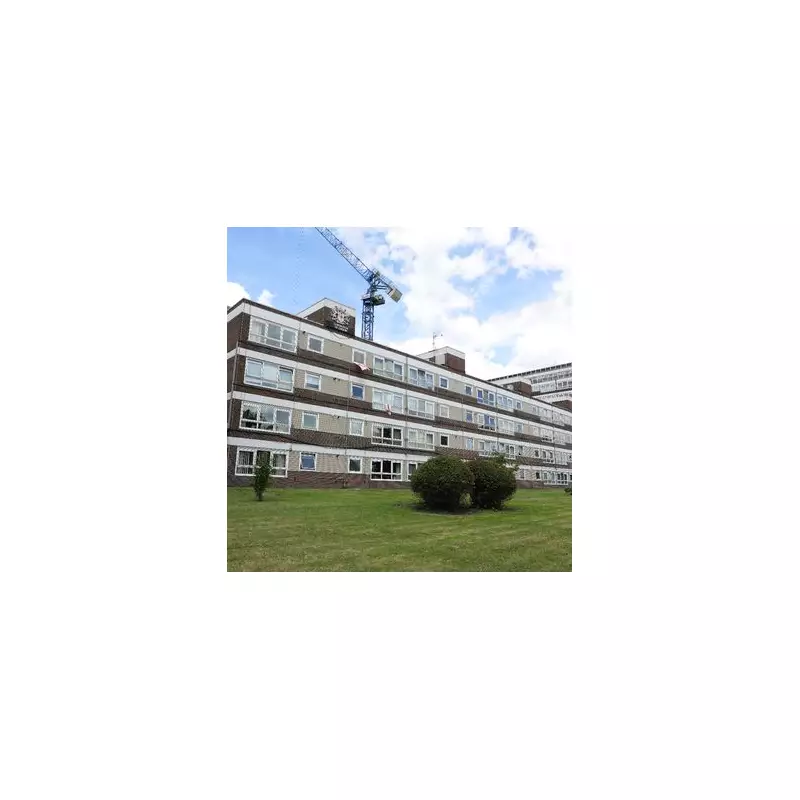
Councillors approved the funding at a meeting of the Court of Common Council on Friday, December 12, 2025. The money forms part of a wider 10-year, £211 million investment plan aimed at bringing the Corporation's housing stock up to a decent standard. The decision comes after the Local Democracy Reporting Service (LDRS) extensively documented problems faced by residents, ranging from persistent lift failures and mice infestations at the York Way Estate in Islington to general dilapidation at the iconic Golden Lane Estate.
Deputy Chris Hayward, Policy Chair at the Corporation, stated that "providing good-quality, safe homes for our residents is a fundamental responsibility" and that the decision demonstrates an absolute commitment to that duty. The works are planned for estates located not just in the City, but across Hackney, Islington, Lambeth, Lewisham, Southwark and Tower Hamlets.

Funding debate and resident concerns
The approved £151.77 million will be drawn from the City Fund, which supports the Corporation's local authority functions. A further £138.23 million is expected to be funded via the Housing Revenue Account (HRA), through leaseholder recharges, depreciation, and borrowing. The total required spend is estimated at £211 million, with an additional £78.99 million set aside as an 'optimism bias' cushion for unforeseen future costs.
The report presented to members warned that failure to act would likely result in the Regulator for Social Housing issuing its worst possible judgement, a C4 rating, against the City. It attributed the current high cost to a lack of planned maintenance over the past 60 years and the increased expense of repairs that would have been cheaper five to ten years ago.
However, the plan faced criticism during the debate. Alderwoman Martha Grekos argued that the report would not fully resolve the issues, noting that only around £41 million of the funding was 'certain'. She also raised alarms about the financial burden on leaseholders, suggesting the required contributions could force some to sell. "Who would want to buy a dilapidated flat that carries a big liability?" she asked.
Political tensions and a call for action
The meeting exposed political tensions over the funding mechanism. Deputy Hayward questioned Alderwoman Grekos's commitment, suggesting her alternative proposal—to use the multi-billion-pound City's Estate endowment fund—was aimed at weakening the Corporation's finances. In response, Grekos firmly rejected any accusation of wanting to "raid the City's Estate" and reiterated her belief in the Corporation.
Despite the disagreements, several members backed the proposal. Common Councillor Sarah Gillinson described it as a "significant moment" and the first real plan to fund the core investment needed. Deputy Hayward, summing up, said he was "ashamed" by the condition of some estates during recent visits and urged members not to delay further. The proposal was approved when put to a vote.
The Corporation manages around 3,000 homes via its HRA, a portfolio far smaller than most London boroughs but which includes landmark estates like the Barbican. The percentage of its homes classed as 'non-decent' has reportedly almost doubled in the last year.